February 25, 2026
This section will describe video game companies and the consoles they produced.
Atari is a company founded in Sunnyvale, California, USA [1] by Nolan Bushnell and Ted Dabney [1] on June 27, 1972 [1].
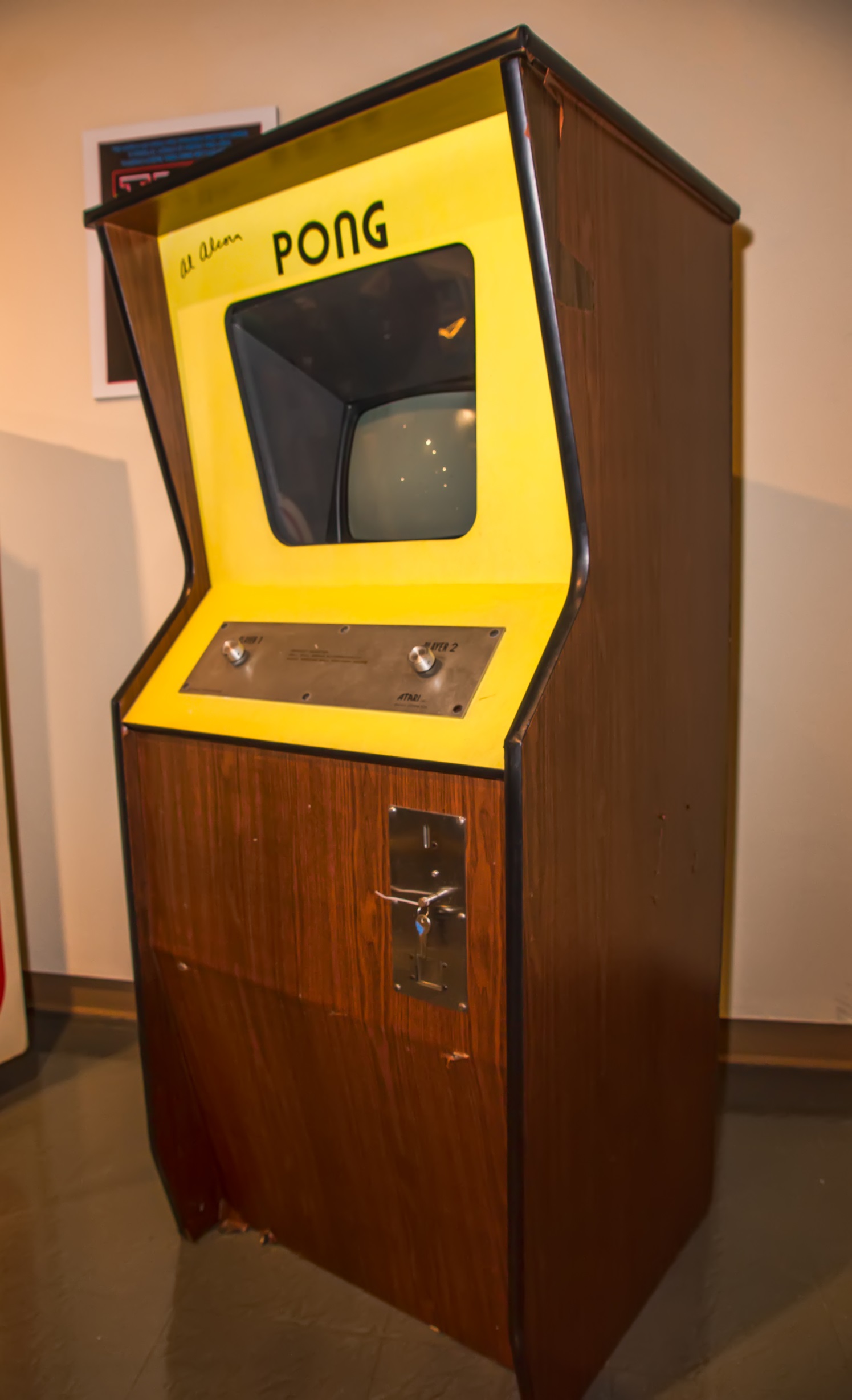
The Atari Pong was released in North America on November 29, 1972, in Japan in November 1973, and in Europe in 1973 [2]–[4].
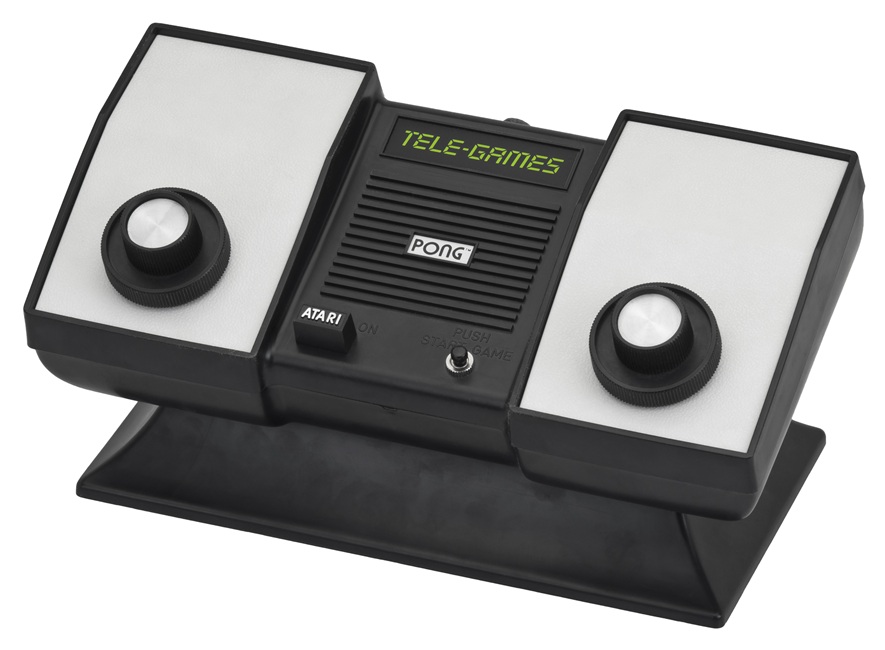
The Atari Home Pong was released in North America in October 1975 [5].
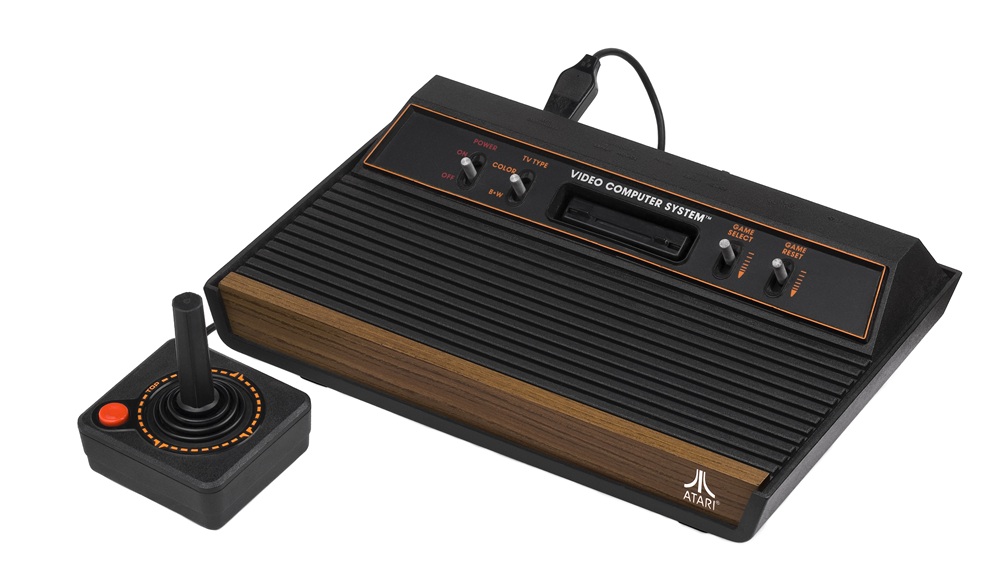
The Atari 2600 (Video Computer System (VCS)) was released in North America on September 11, 1977, in Europe in 1978, in France in 1982, and in Brazil in September 1983 [6]–[8]. It was discontinued globally in 1992. [9]
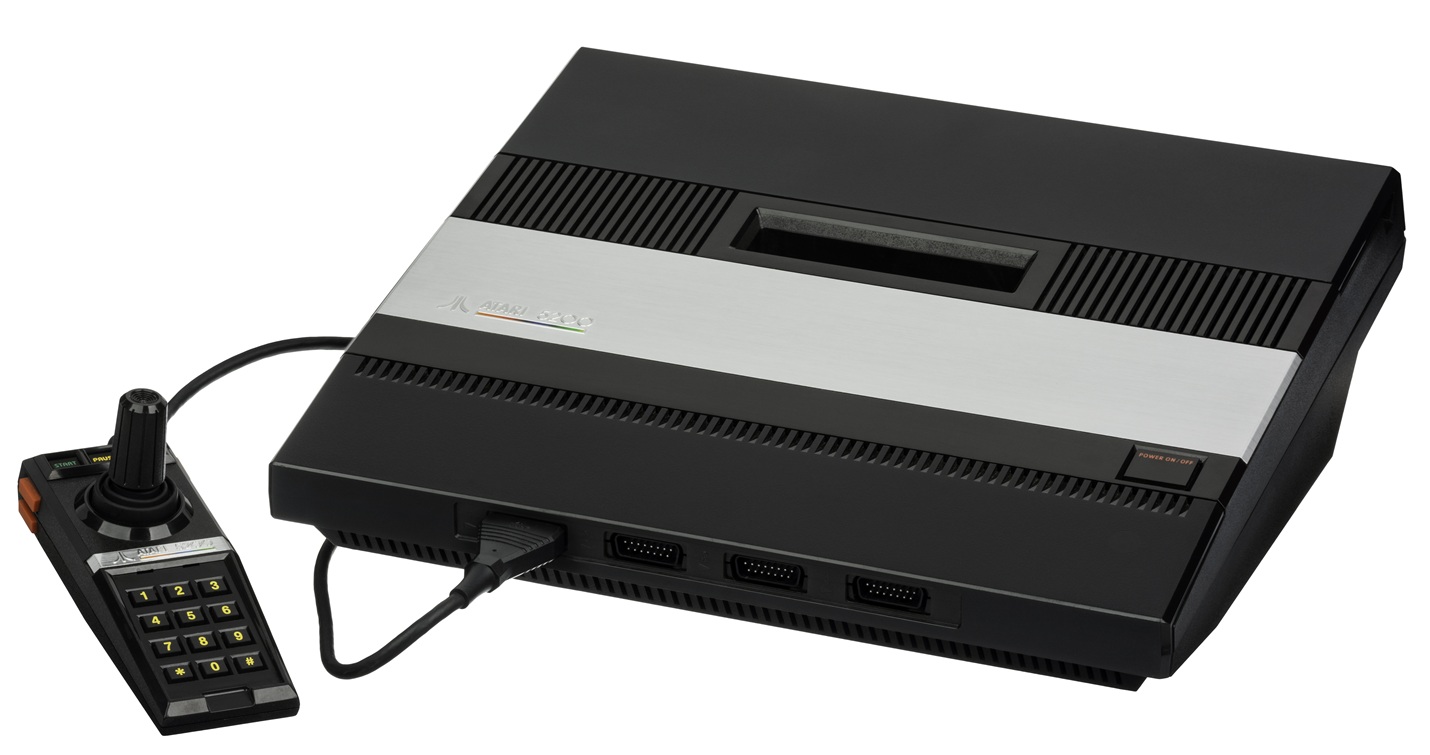
The Atari 5200 (5200 SuperSystem) was released in North America in November 1982 [10]. It was discontinued globally on May 21, 1984. [11]
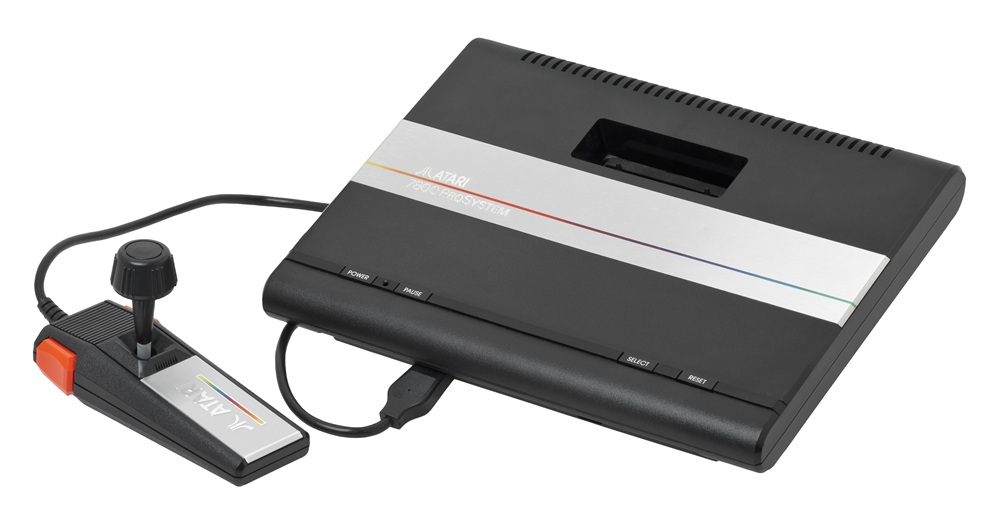
The Atari 7800 (7800 ProSystem) was released in North America in May 1986 [12]. It was discontinued globally on January 1, 1992. [13]
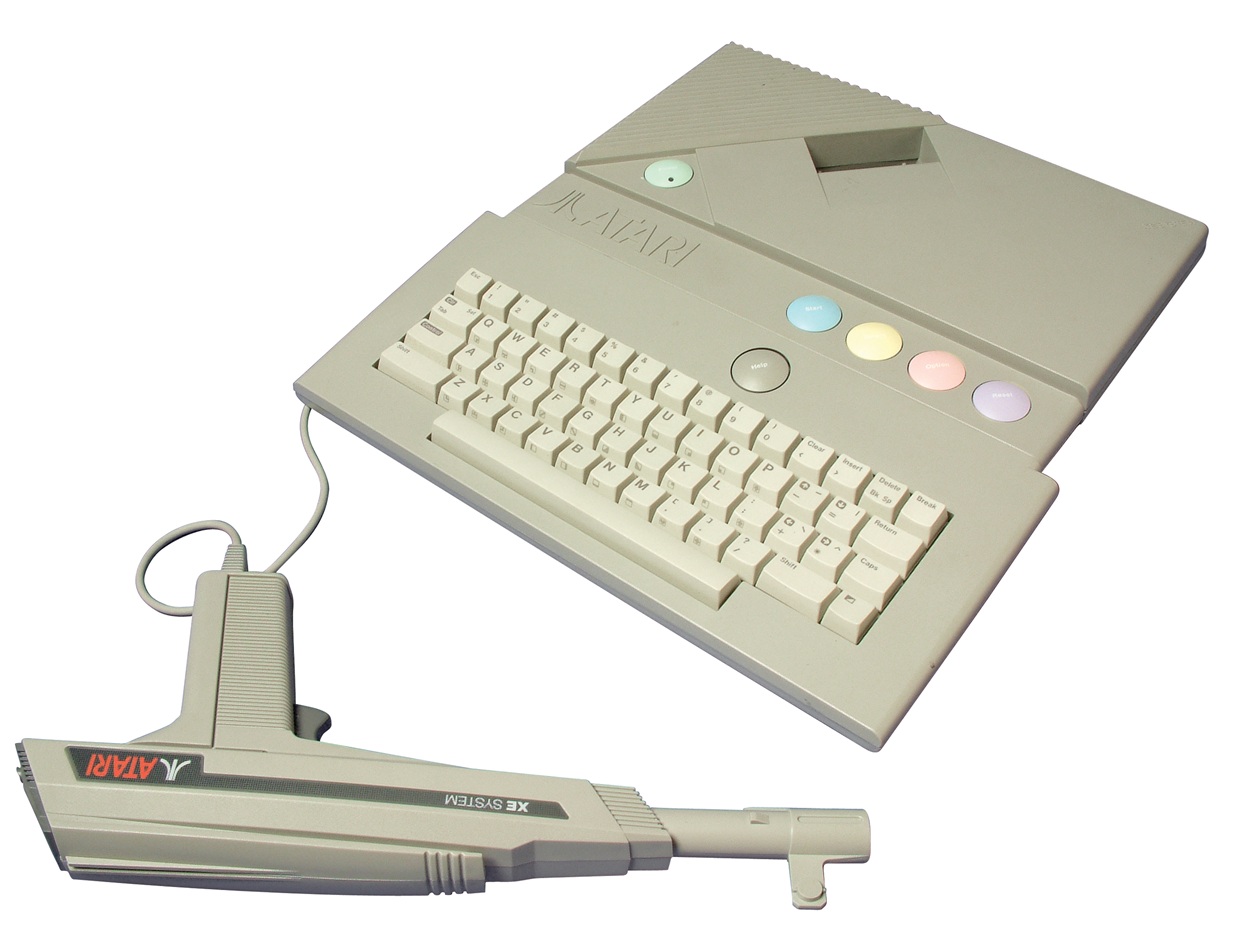
The Atari XE Video Game System (XEGS) was released globally in 1987 [14]. It was discontinued globally in December 1991. [15]
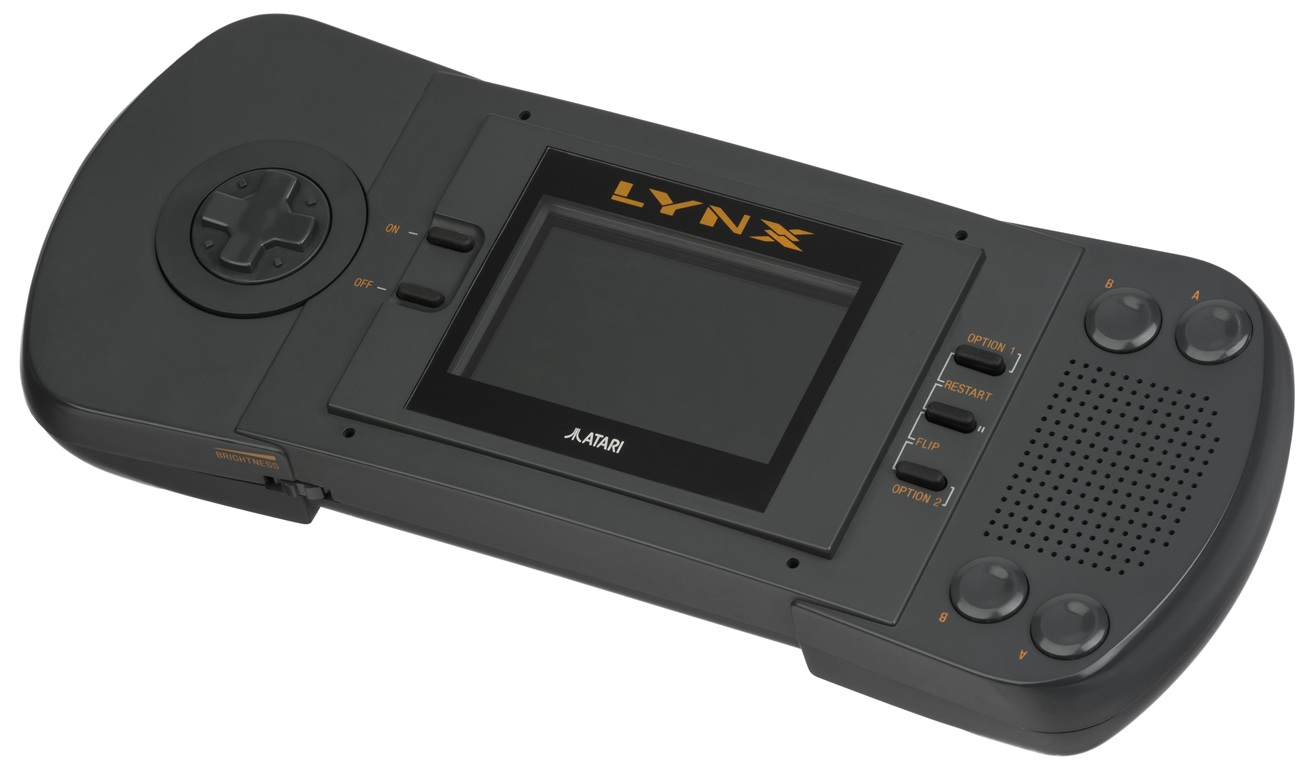
The Atari Lynx was released in North America on September 1, 1989, in Europe in 1990, and in Japan in 1990. It was discontinued globally in 1995.
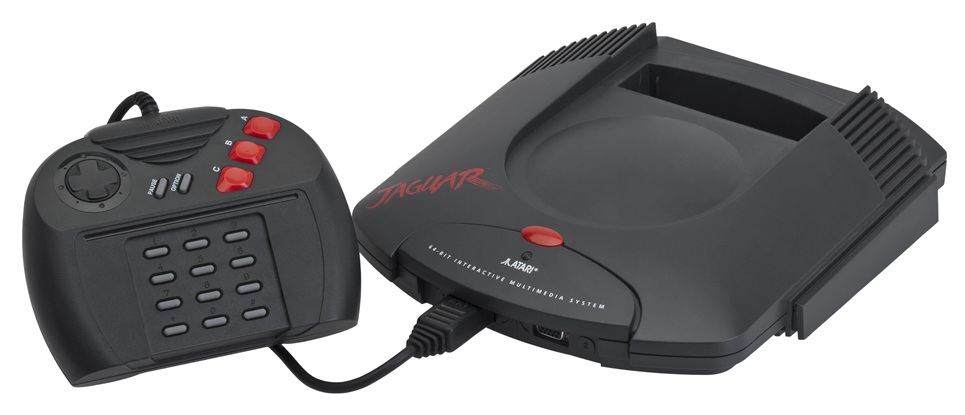
The Atari Jaguar was released in North America on November 23, 1993, in Europe on June 27, 1994, in Australia on August 1, 1994, in Germany in September 1994, in Japan on December 8, 1994, and in Spain in April 1995 [16]–[20]. It was discontinued globally in 1996.

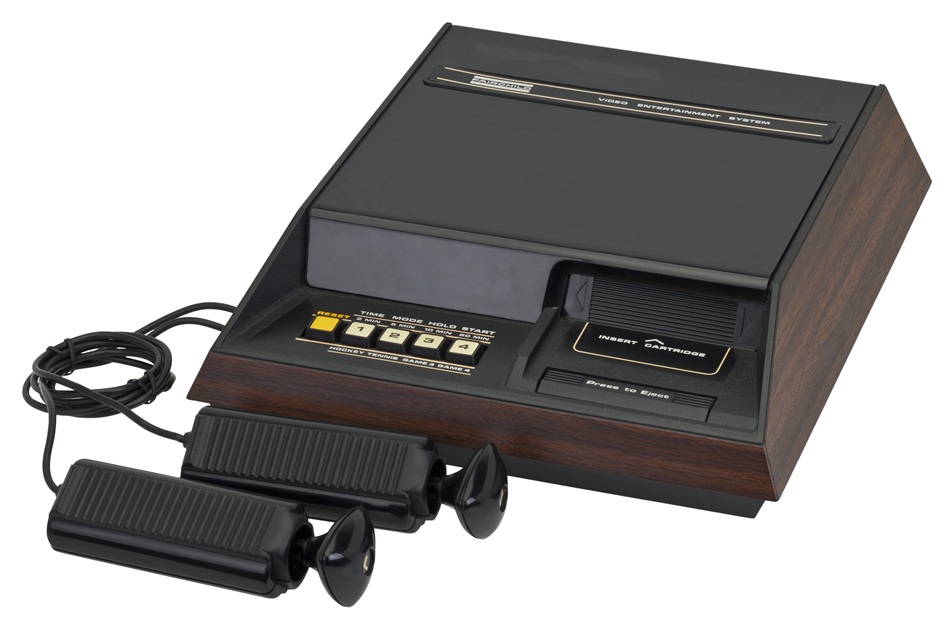
The Fairchild Channel F (Channel Fun) was released in North America in November 1976 and in Japan in October 1977 [21]. It was discontinued globally in 1983. It was created by Jerry Lawson.
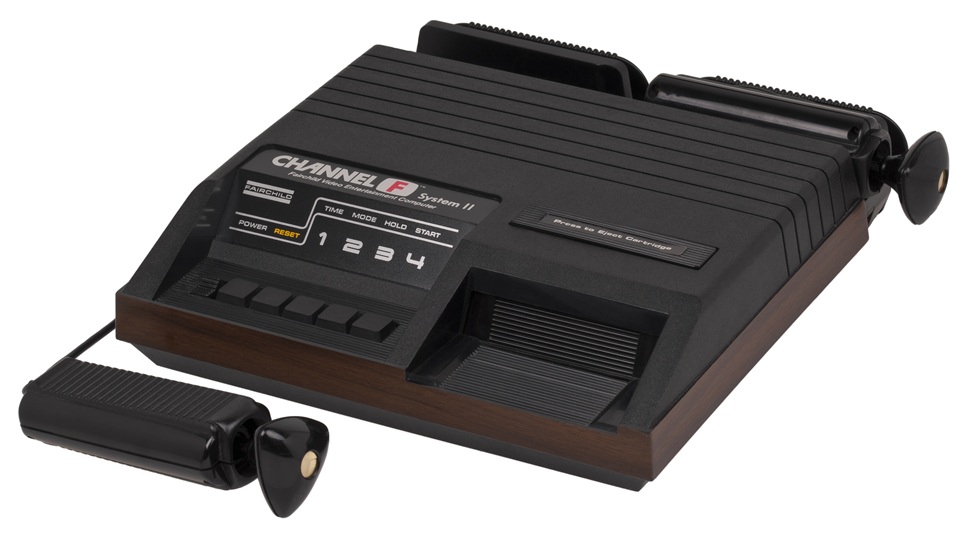
The Fairchild Channel F System II, a variant of the Fairchild Channel F, was released globally in 1979. It was discontinued globally in 1983.
Microsoft is a company founded in Albuquerque, New Mexico, USA [22] by Bill Gates and Paul Allen [22] on April 4, 1975 [22].

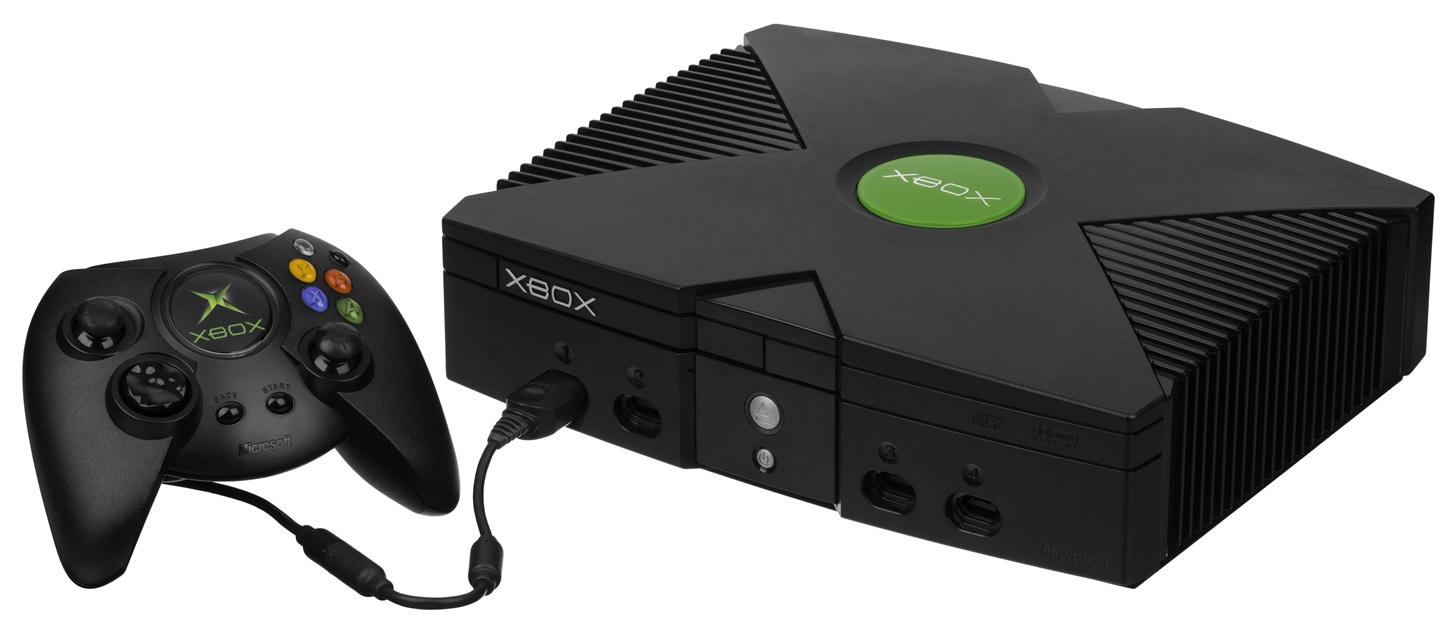
The Microsoft Xbox was released in North America on November 15, 2001, in Japan on February 22, 2002, and in Europe on March 14, 2002 [23]. It was discontinued in Japan in 2005 and globally in 2006. [24], [25]
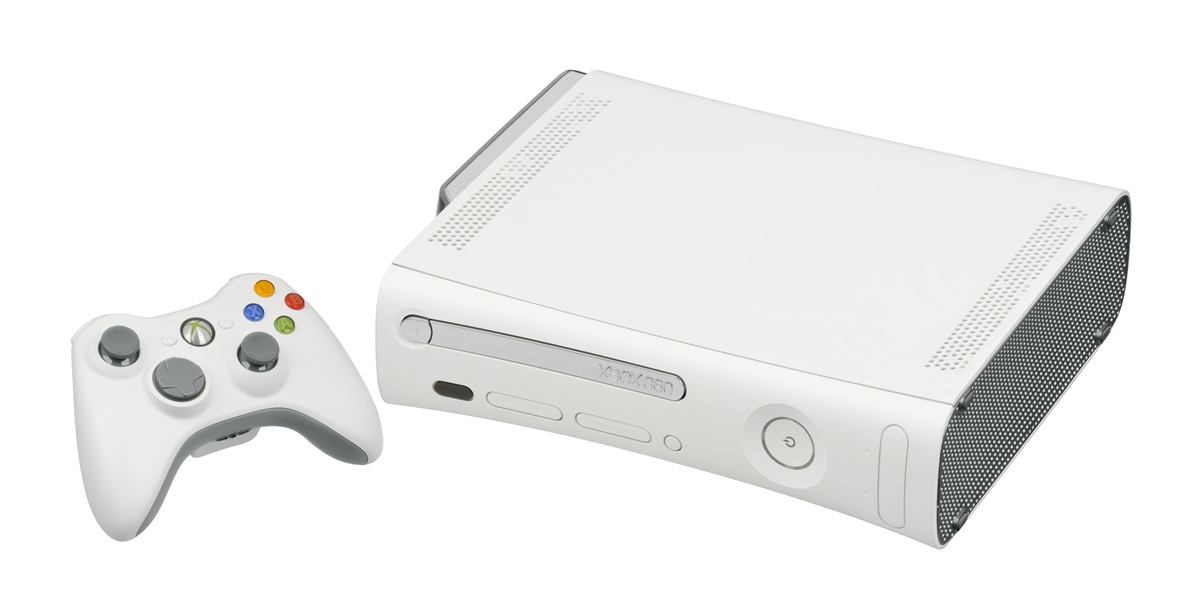
The Microsoft Xbox 360 was released in the USA on November 22, 2005, in Canada on November 22, 2005, in the Eurozone on December 2, 2005, in Norway on December 2, 2005, in Sweden on December 2, 2005, in the UK on December 2, 2005, in Switzerland on December 2, 2005, in Japan on December 10, 2005, in Colombia on February 2, 2006, in Mexico on February 2, 2006, in South Korea on February 24, 2006, in Hong Kong on March 16, 2006, in Singapore on March 16, 2006, in Taiwan on March 16, 2006, in Australia on March 23, 2006, in Chile on July 7, 2006, in India on September 25, 2006, in South Africa on September 29, 2006, in the Czech Republic on November 3, 2006, in Poland on November 3, 2006, in Brazil on December 1, 2006, in Russia on February 11, 2007, in Peru on February 25, 2008, in the UAE on October 28, 2008, in Nigeria in 2009, in Turkey in 2009, and in Seychelles in 2010 [26]. It was discontinued globally on April 20, 2016. [27]
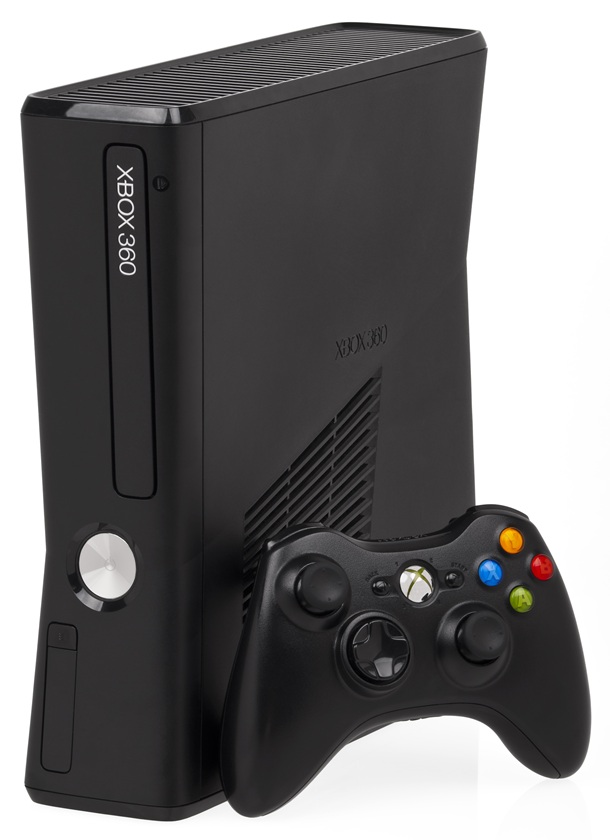
The Microsoft Xbox 360 S, a variant of the Microsoft Xbox 360, was released in North America on June 18, 2010, in Australia on July 1, 2010, in New Zealand on July 8, 2010, and in Europe on July 16, 2010.
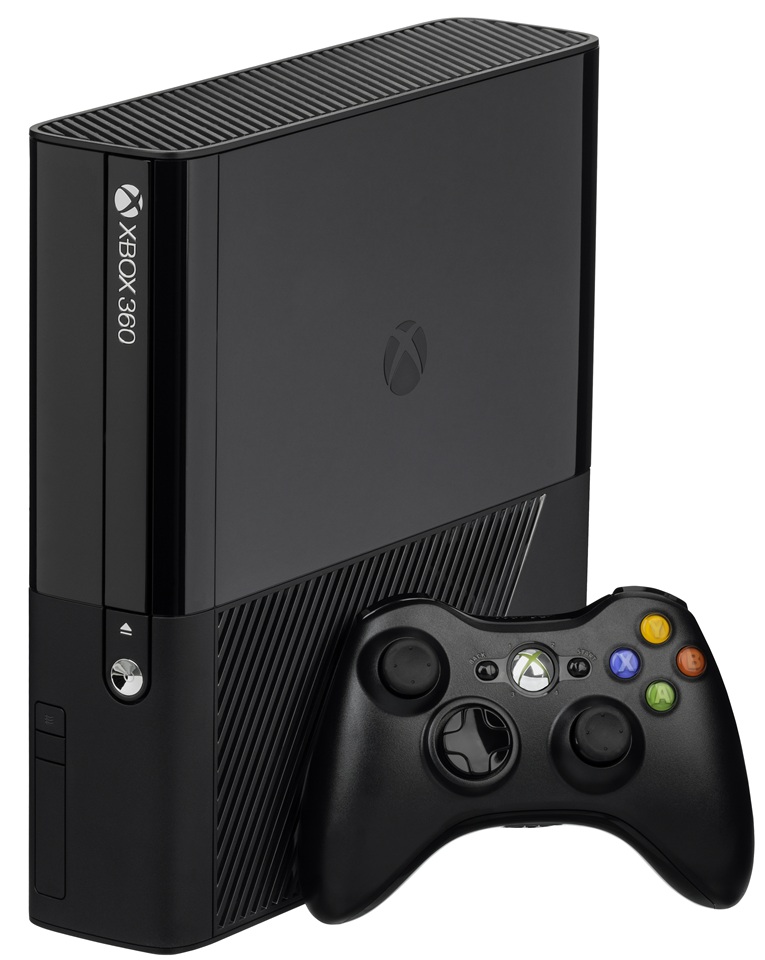
The Microsoft Xbox 360 E, a variant of the Microsoft Xbox 360, was released in North America on June 10, 2013 and in Europe on June 20, 2013 [28], [29].
The Microsoft Xbox One was released in North America on November 22, 2013, in South America on November 22, 2013, in Europe on November 22, 2013, in Australia on November 22, 2013, in Japan on September 4, 2014, and in China on September 29, 2014 [30]. It was discontinued globally in 2020. [31]
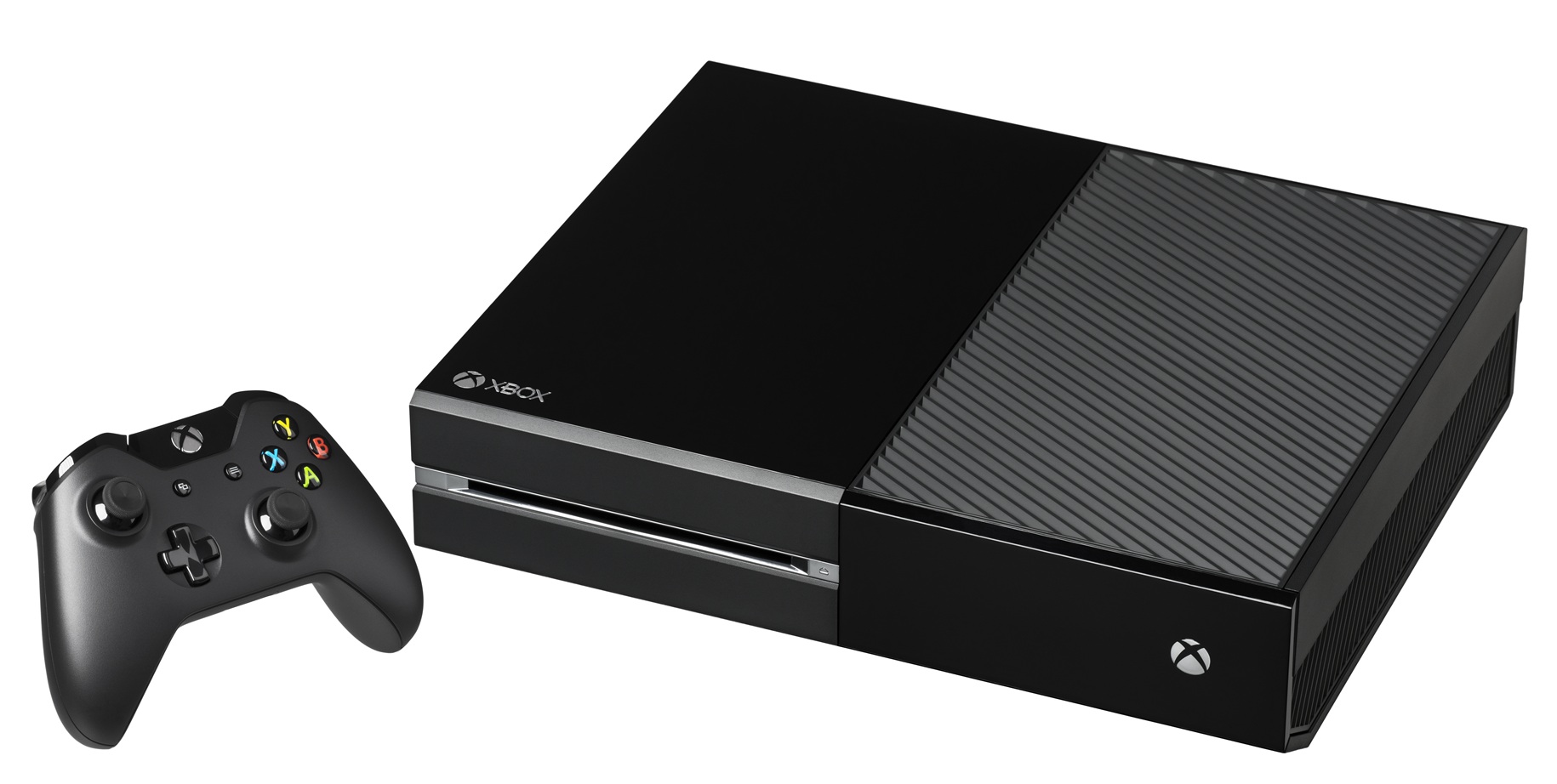
The Microsoft Xbox One S, a variant of the Microsoft Xbox One, was released globally on August 2, 2016 [32]. It was discontinued globally in 2020. [31]
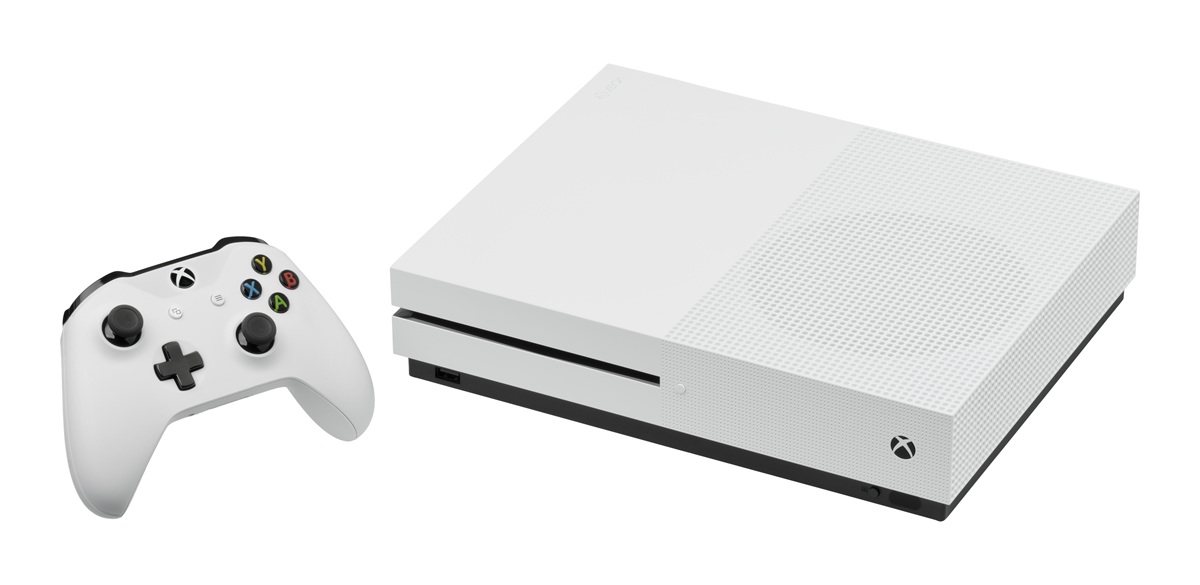
The Microsoft Xbox One X, a variant of the Microsoft Xbox One, was released globally on November 7, 2017 [33]. It was discontinued globally in 2020. [31]
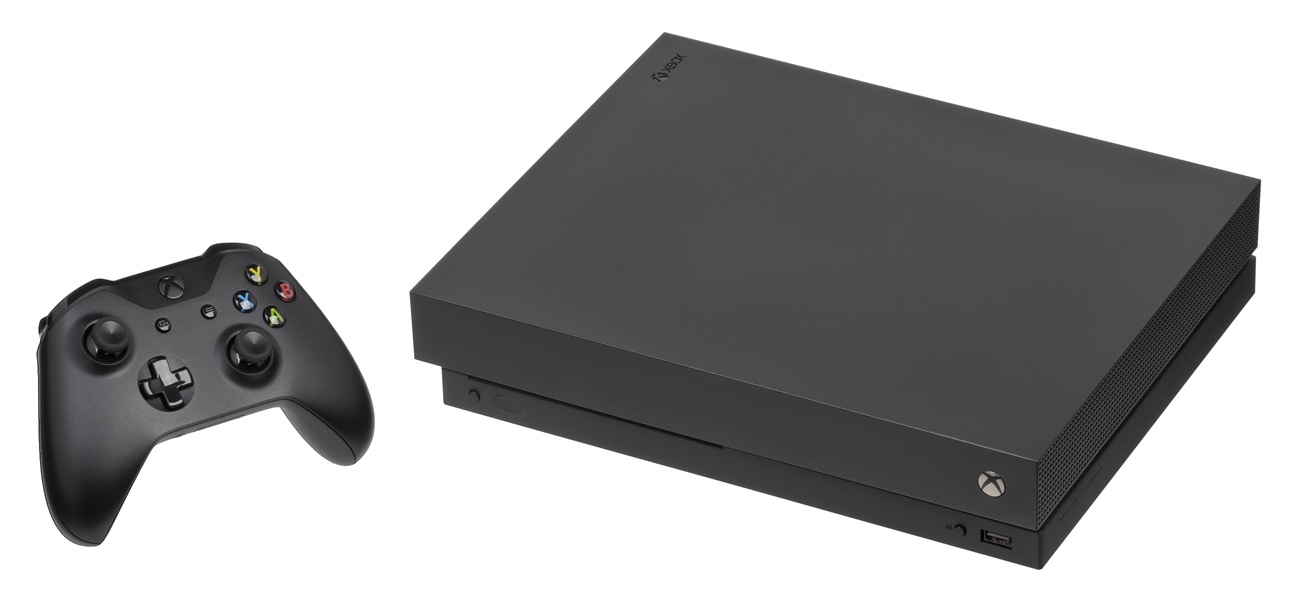
The Microsoft Xbox Series X was released globally on November 10, 2020 and in China on June 10, 2021.
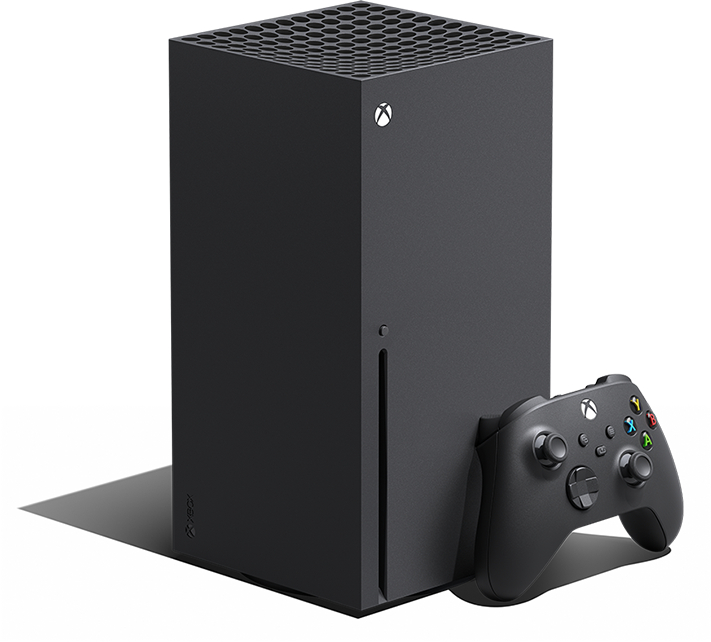
The Microsoft Xbox Series S, a variant of the Microsoft Xbox Series X, was released globally on November 10, 2020 and in China on June 10, 2021 [34].
Nintendo (任天堂) is a company founded in Kyoto, Japan [35] by Fusajiro Yamauchi [35] on September 23, 1889 [35].
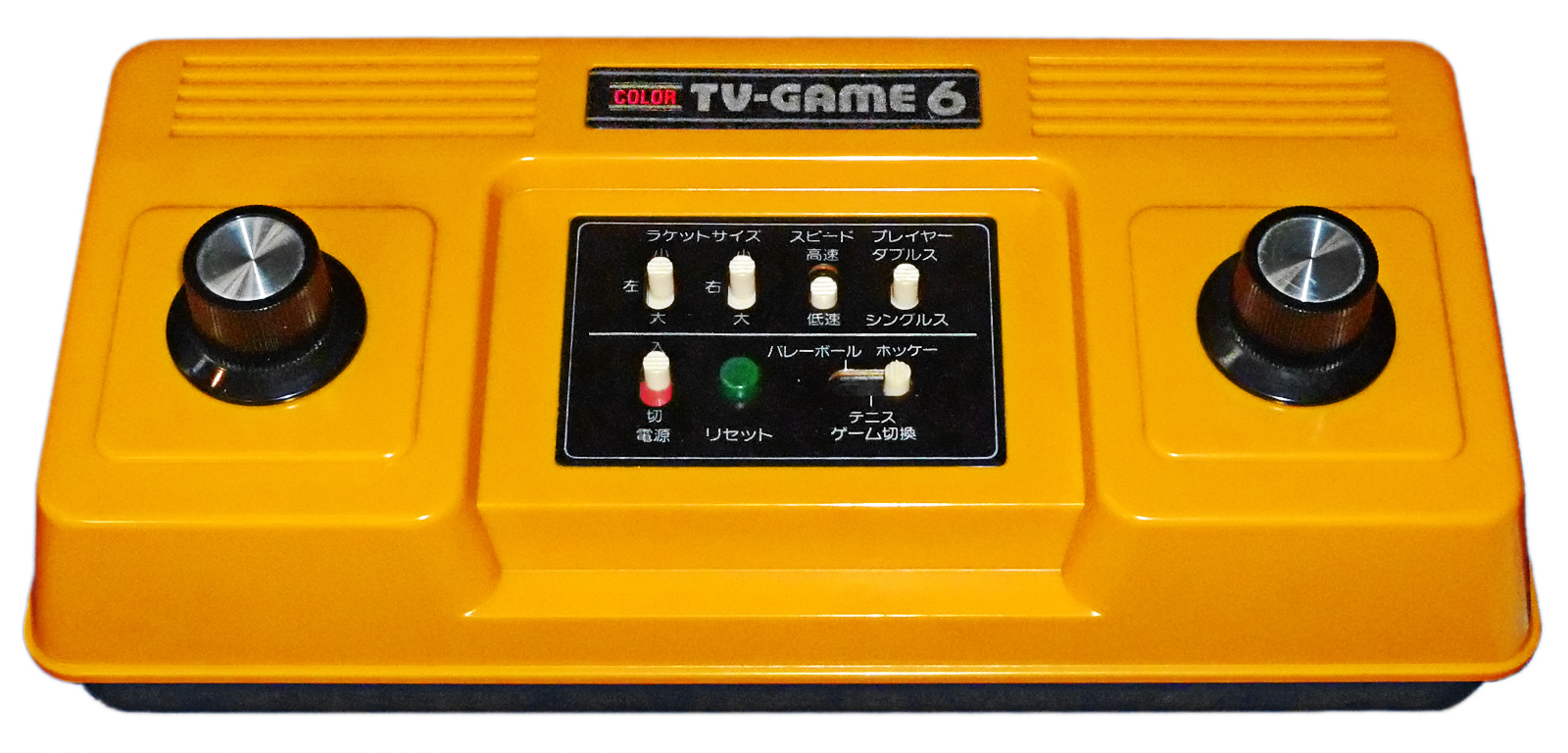
The Nintendo Color TV-Game 6 was released in Japan on June 1, 1977 [36], [37].
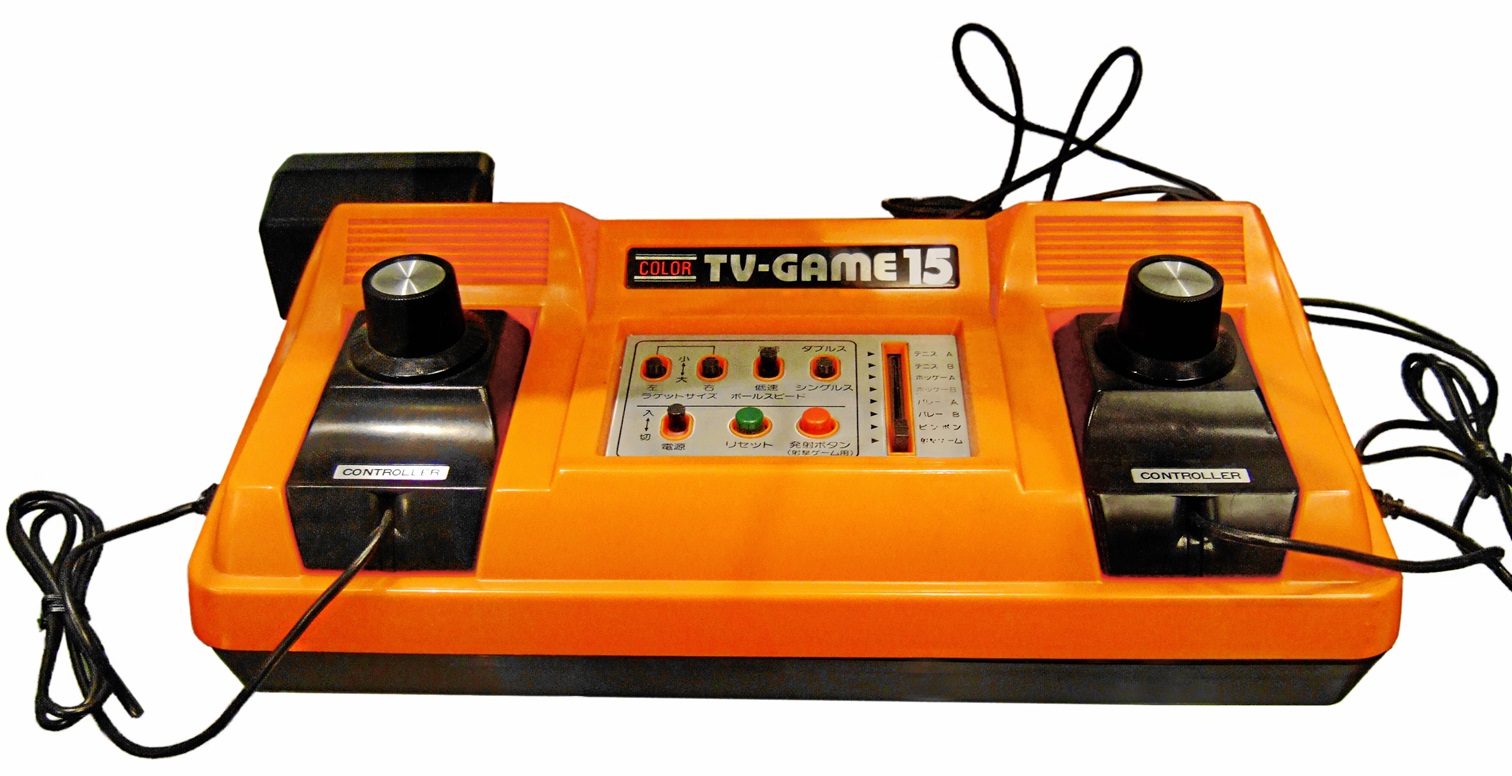
The Nintendo Color TV-Game 15 was released in Japan on June 8, 1977 [38].
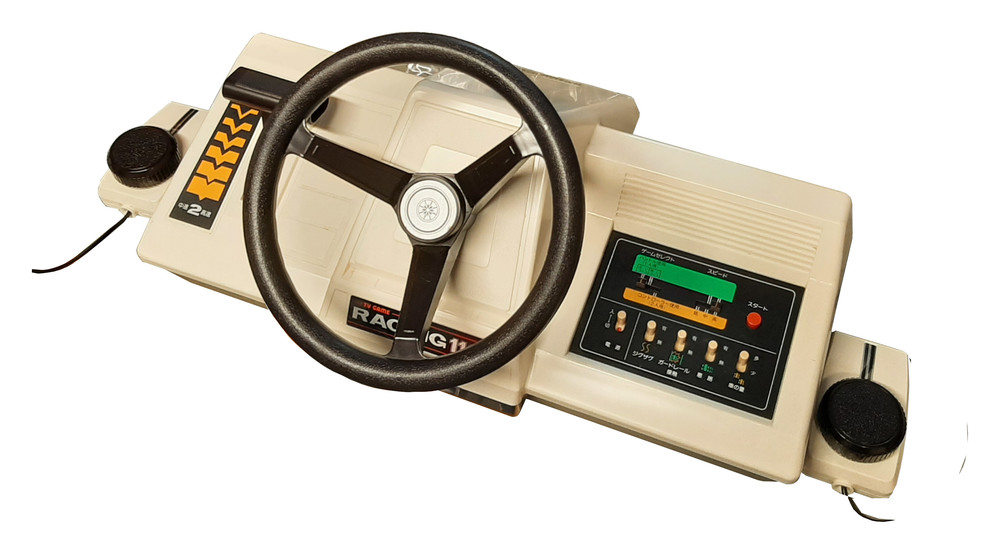
The Nintendo Color TV-Game Racing 112 was released in Japan on June 8, 1978.
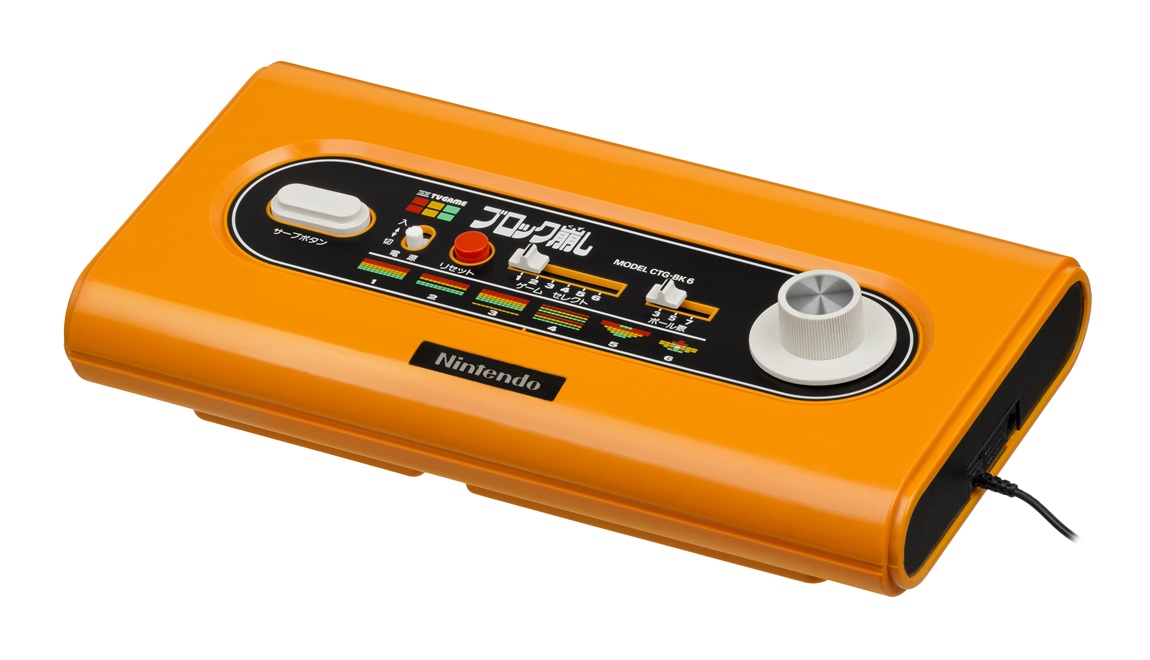
The Nintendo Color TV-Game Block Kuzushi was released in Japan on April 23, 1979.
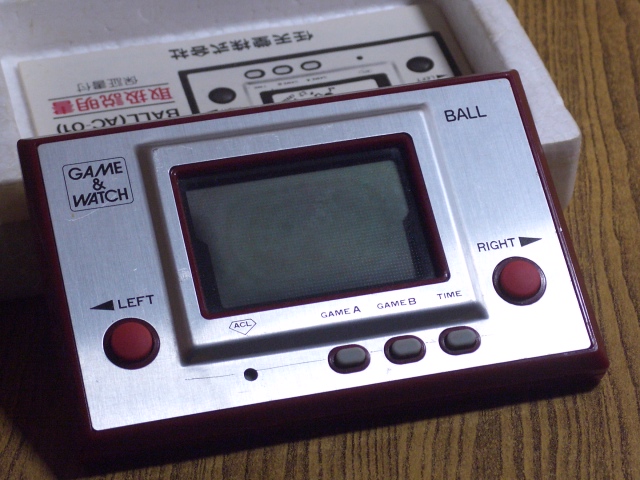
The Nintendo Game & Watch Silver was released in Japan on April 28, 1980.
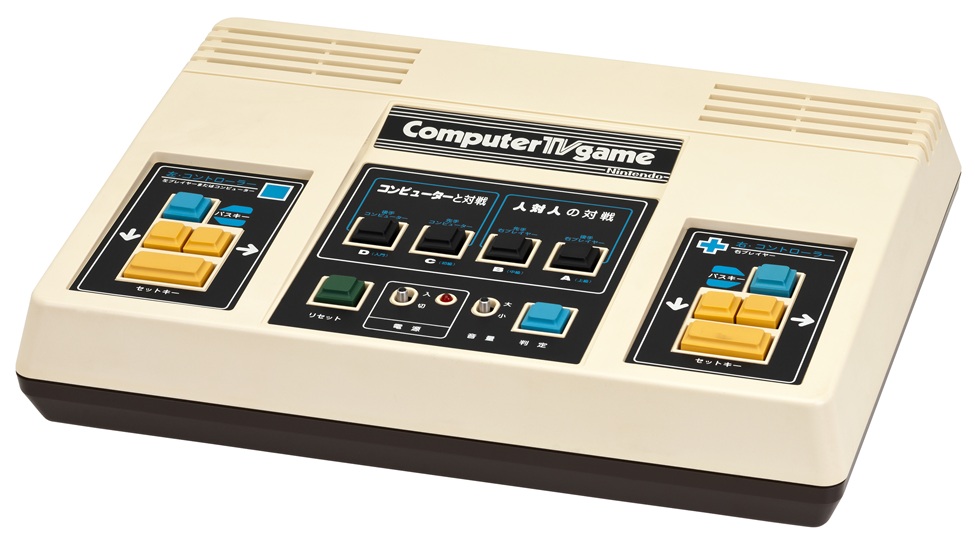
The Nintendo Computer TV-Game was released in Japan on December 12, 1980.
The Nintendo Game & Watch Gold was released in Japan on January 29, 1981.
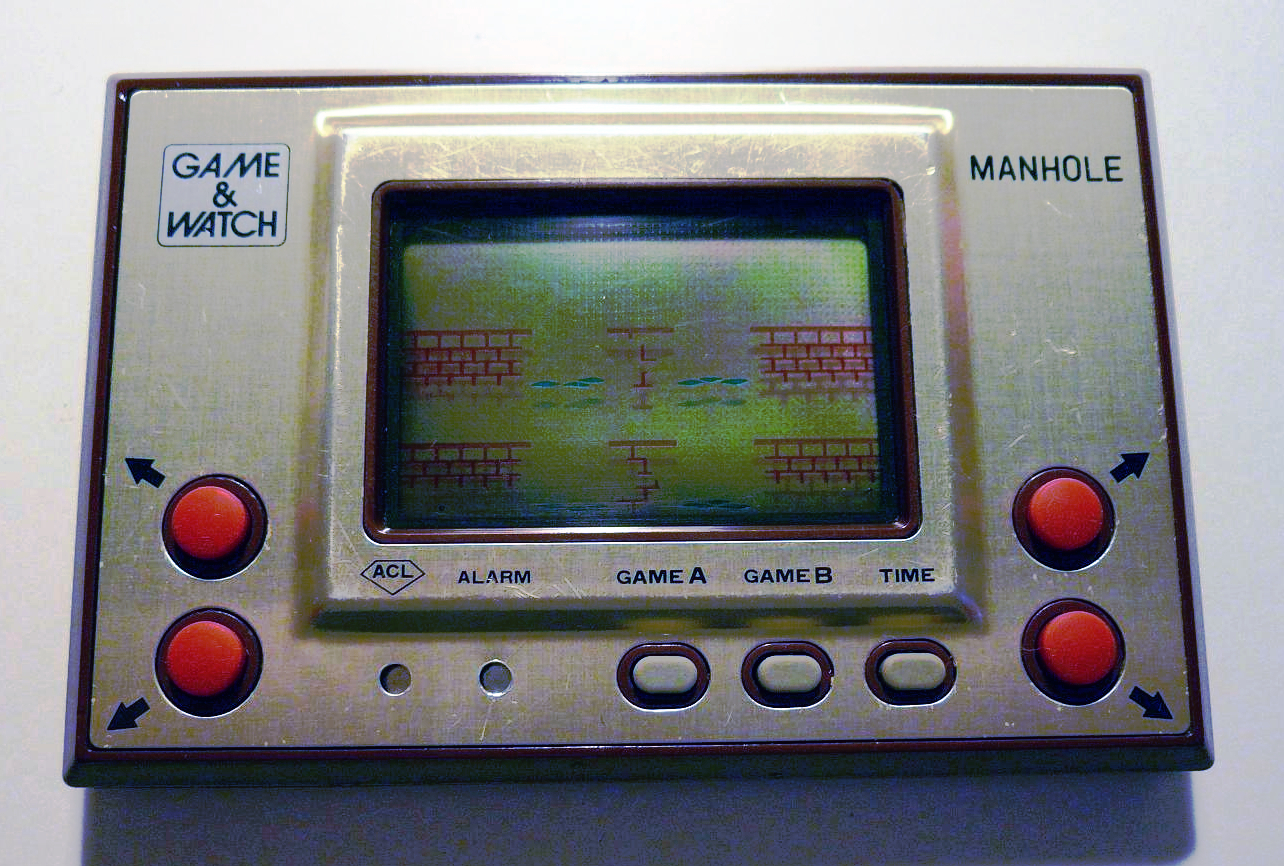
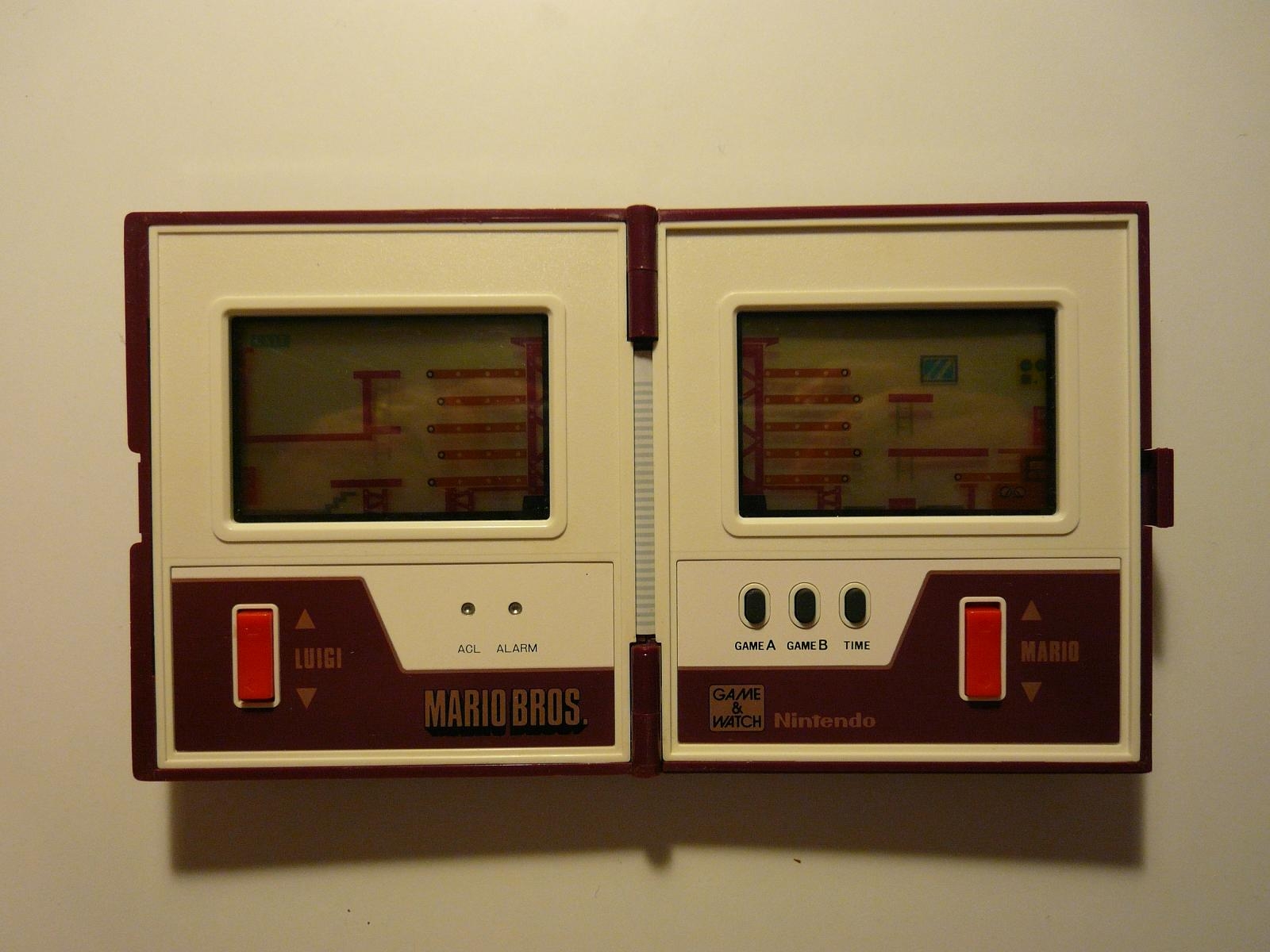
The Nintendo Game & Watch Wide Screen was released in Japan on June 19, 1981.
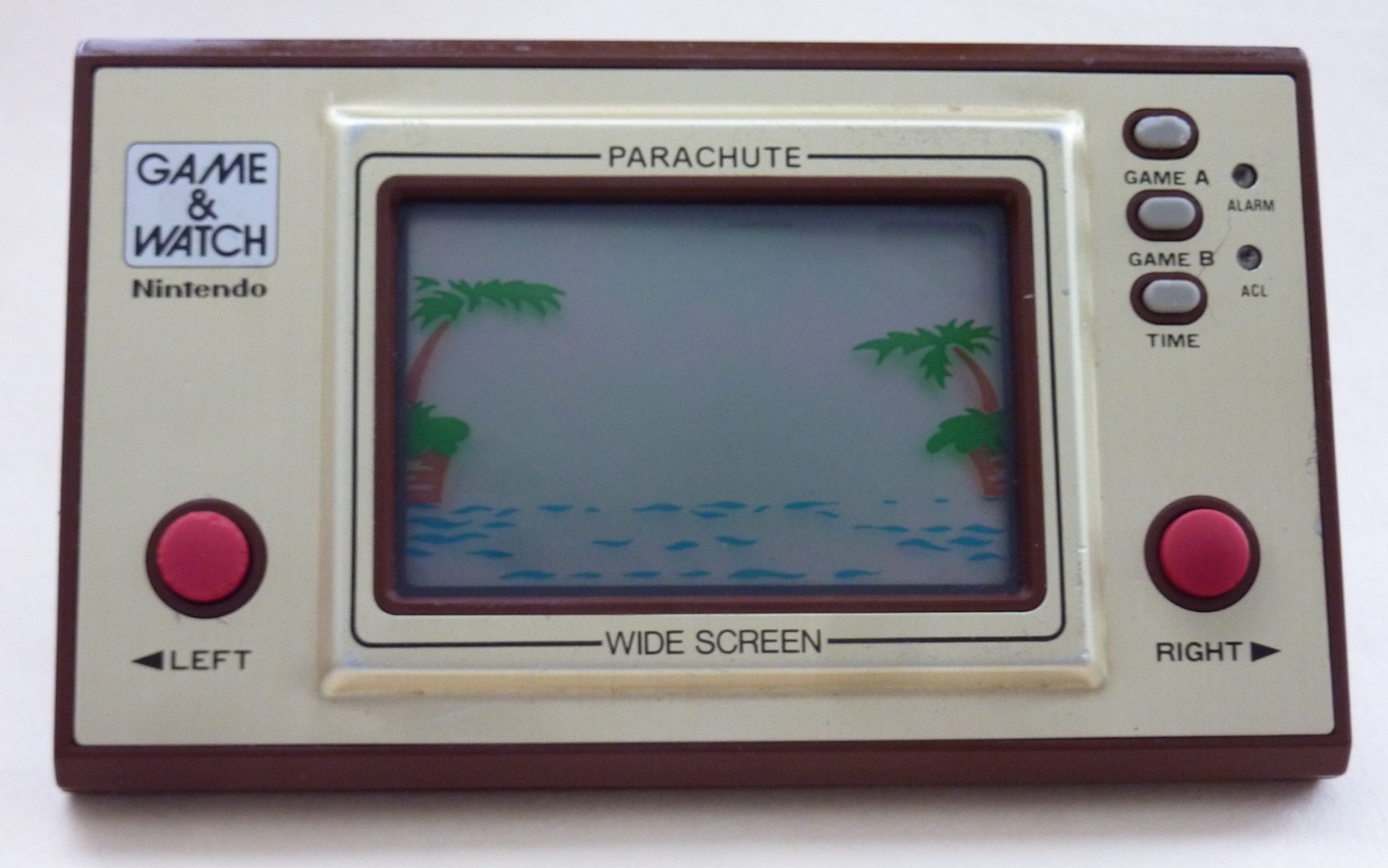
The Nintendo Game & Watch Vertical Multi Screen was released in Japan on May 28, 1982.
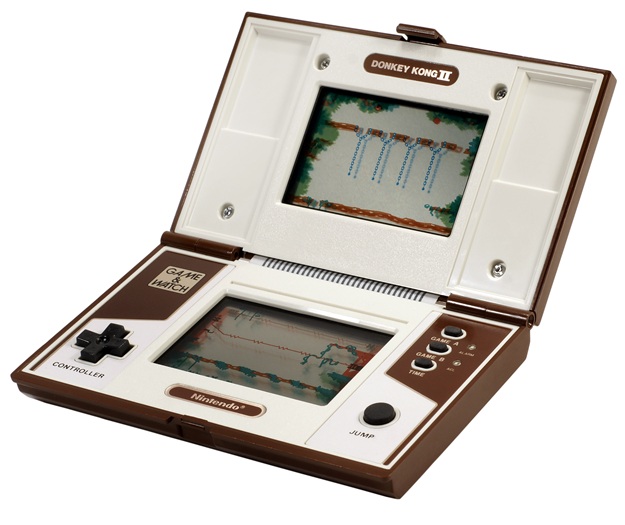
The Nintendo Game & Watch New Wide Screen was released in Japan on October 26, 1982.
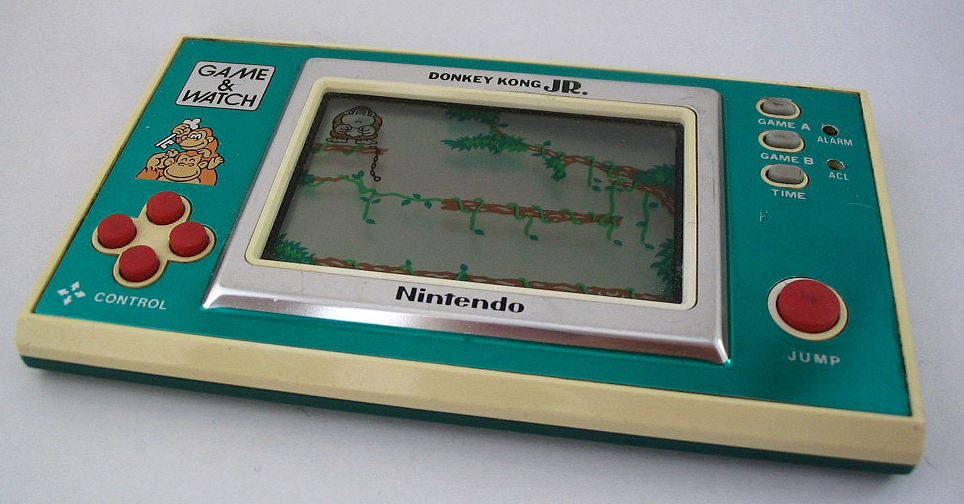
The Nintendo Game & Watch Horizontal Multi Screen was released in Japan on March 14, 1983.
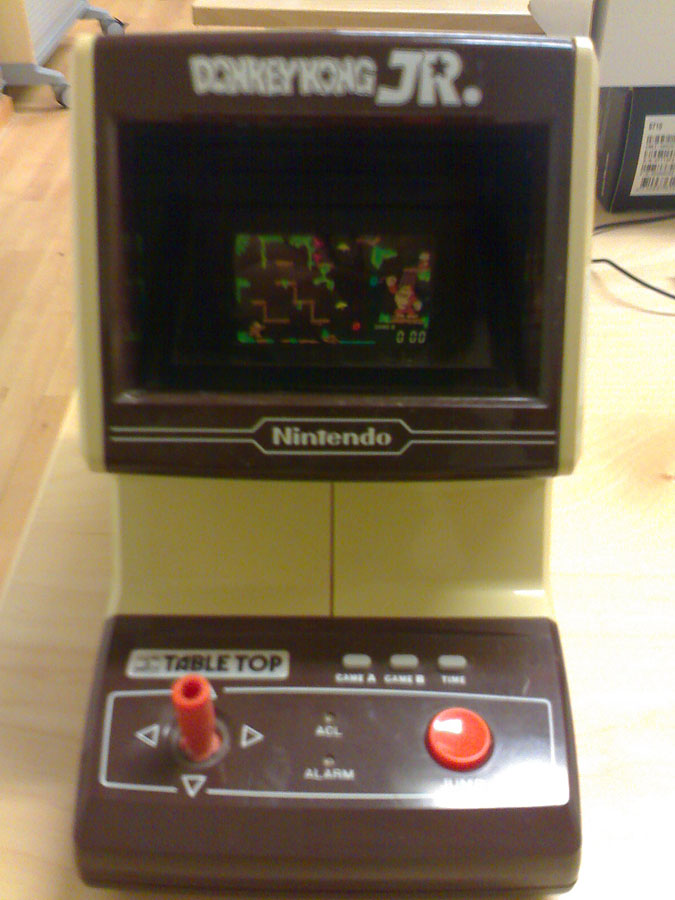
The Nintendo Game & Watch Table Top was released in Japan on April 28, 1983.
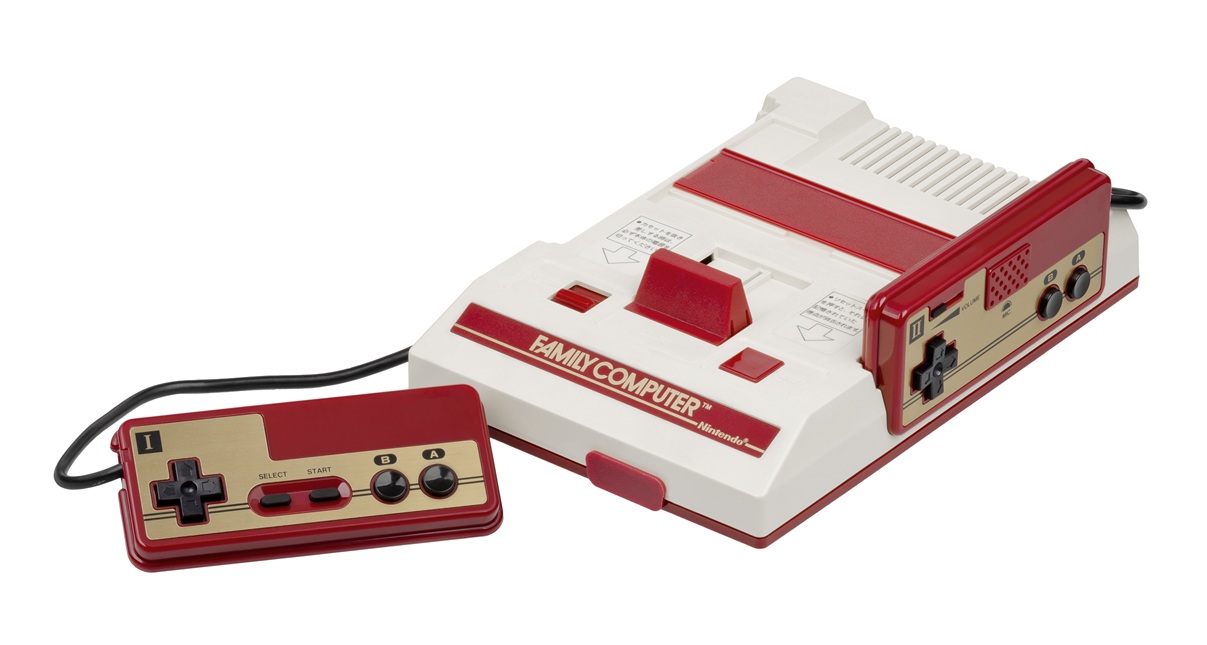
The Nintendo Family Computer (Famicom) (HVC-001) was released in Japan on July 15, 1983 [39].
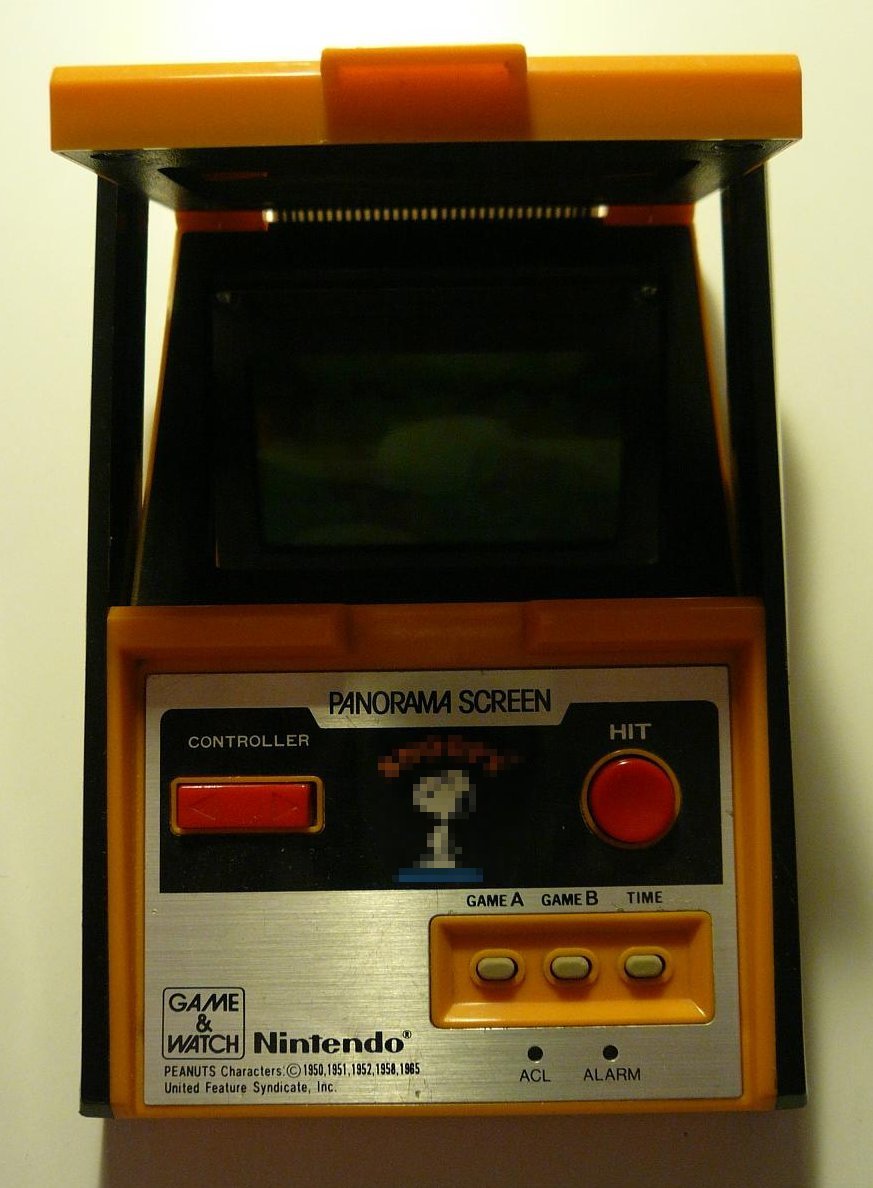
The Nintendo Game & Watch Panorama was released in Japan on August 30, 1983.
The Nintendo Game & Watch Super Color was released in Japan on February 6, 1984.
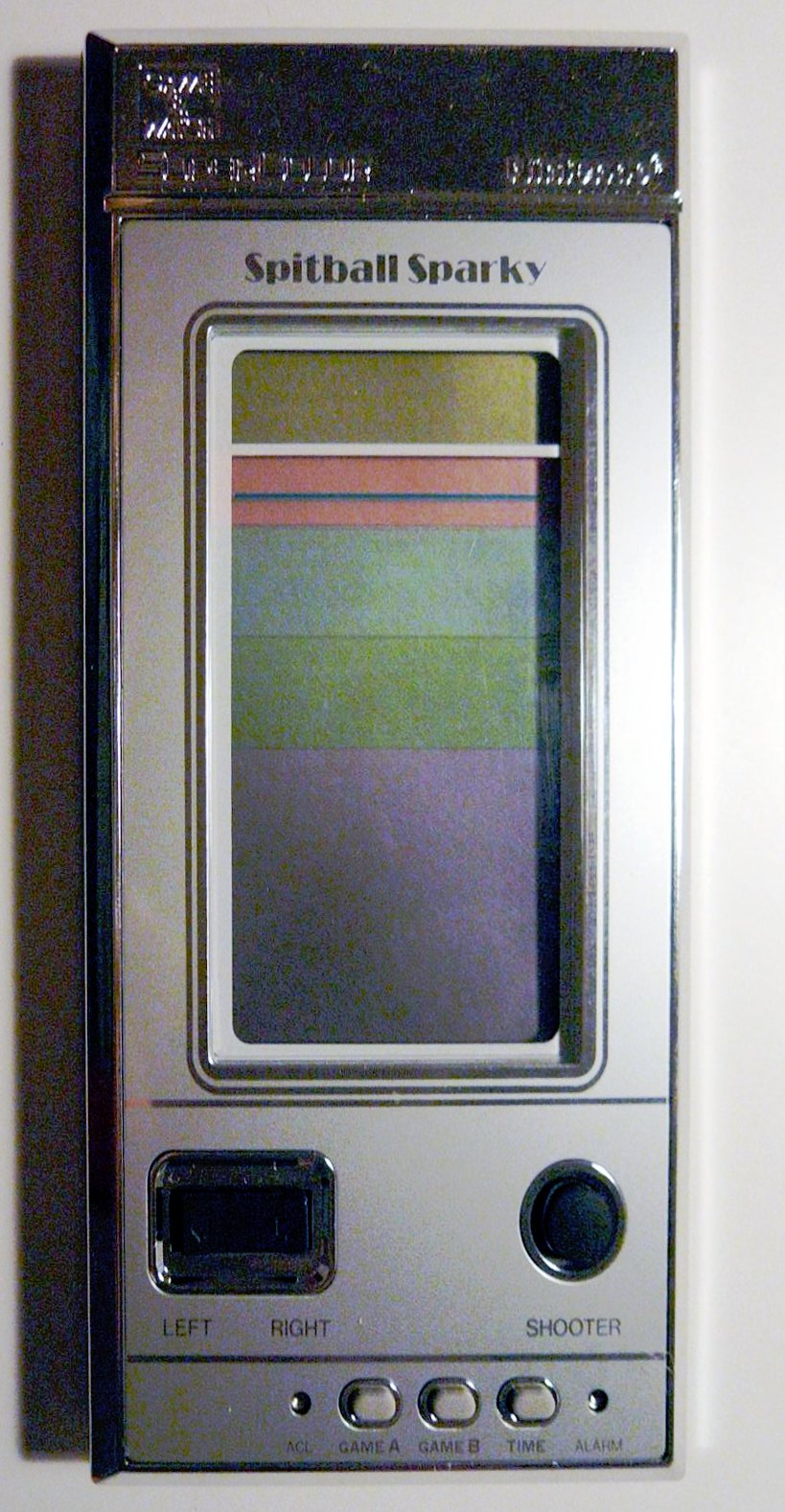
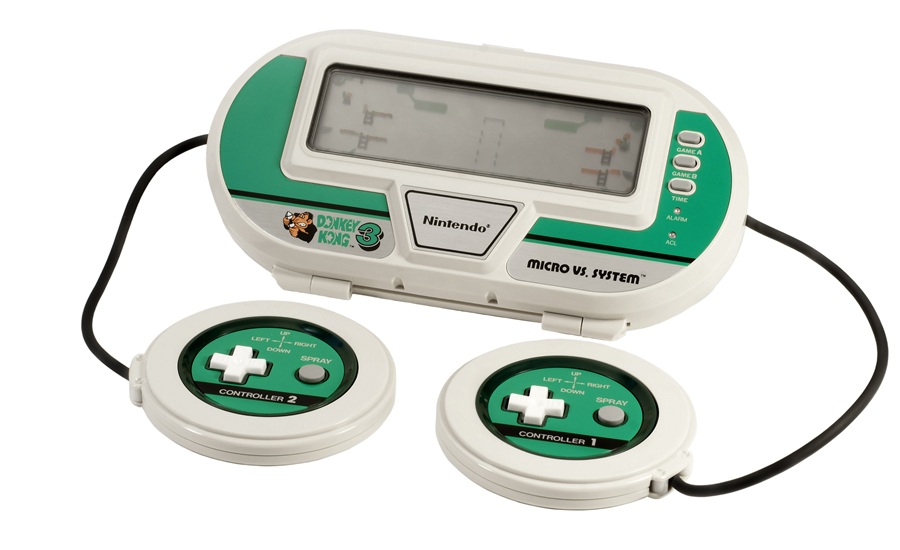
The Nintendo Game & Watch Micro Vs. System was released in Japan on July 31, 1984.
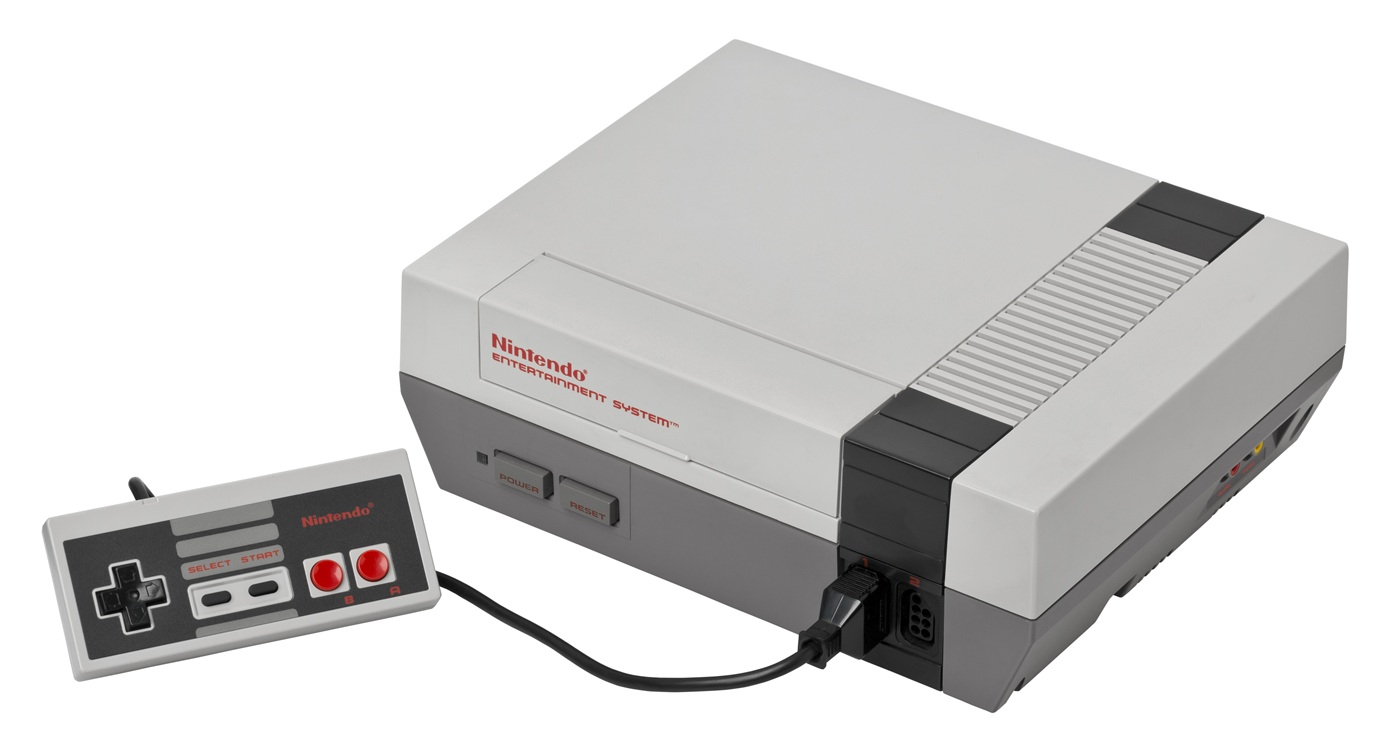
The Nintendo Entertainment System (NES) (NES-001), a variant of the Nintendo Family Computer (Famicom), was released in the USA on October 18, 1985, in Europe on September 1, 1986, in North America on September 27, 1986, in the UK in 1987, in Ireland in 1987, in Italy in 1987, in Australia in 1987, in India in 1987, in Taiwan in 1987, in Chile in 1991, in South Africa in 1993, and in Brazil in March 1993 [40]–[43]. It was discontinued in North America on August 14, 1995, in Europe on August 14, 1995, in Australia on August 14, 1995, in Brazil in 2003, in South Korea in 2003, in Taiwan in 2003, and in Japan on September 25, 2003. [44], [45]
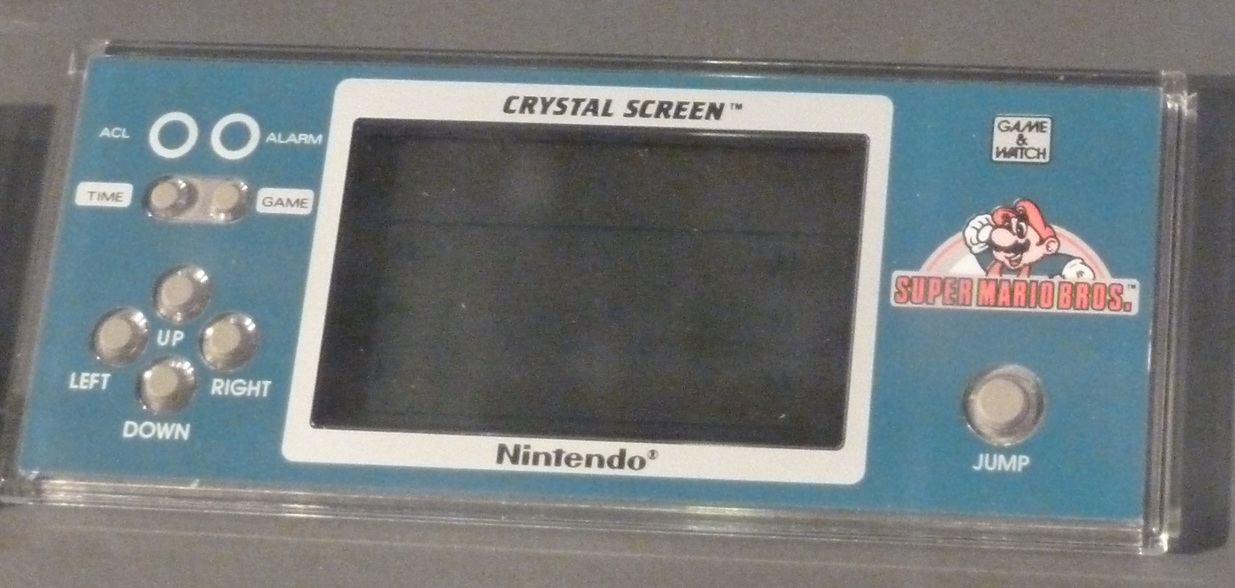
The Nintendo Game & Watch Crystal Screen was released in Japan on June 25, 1986.
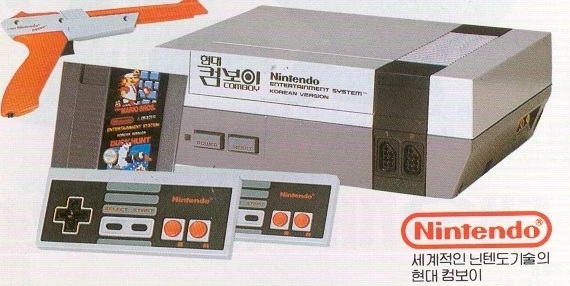
The Nintendo Hyundai Comboy (컴보이), a variant of the Nintendo Family Computer (Famicom), was released in South Korea in 1989. It was discontinued in South Korea in 2003.
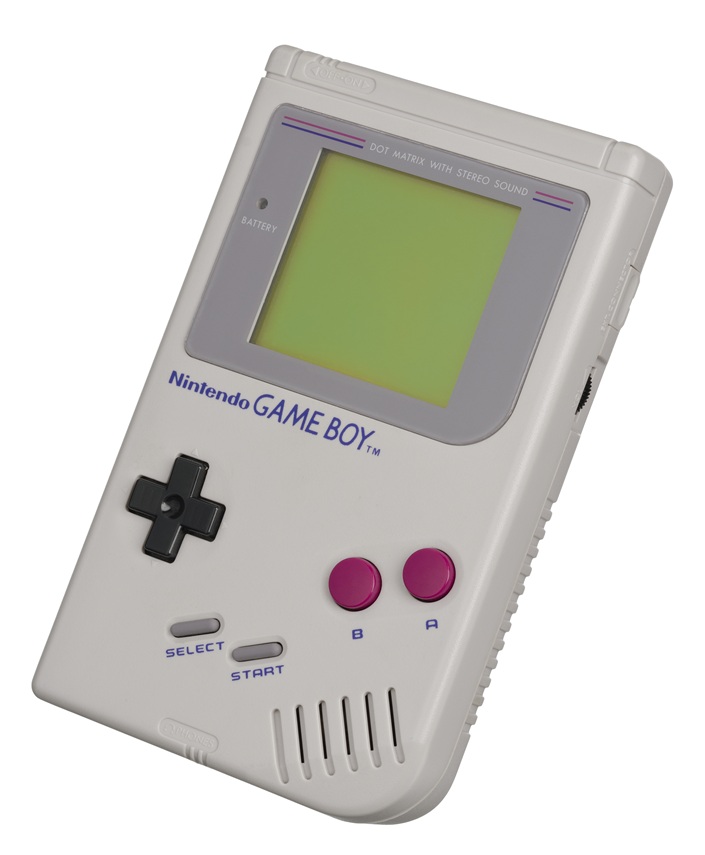
The Nintendo Game Boy (GB) was released in Japan on April 21, 1989, in North America on July 31, 1989, and in Europe on September 28, 1990 [46], [47]. It was discontinued globally on March 31, 2003.
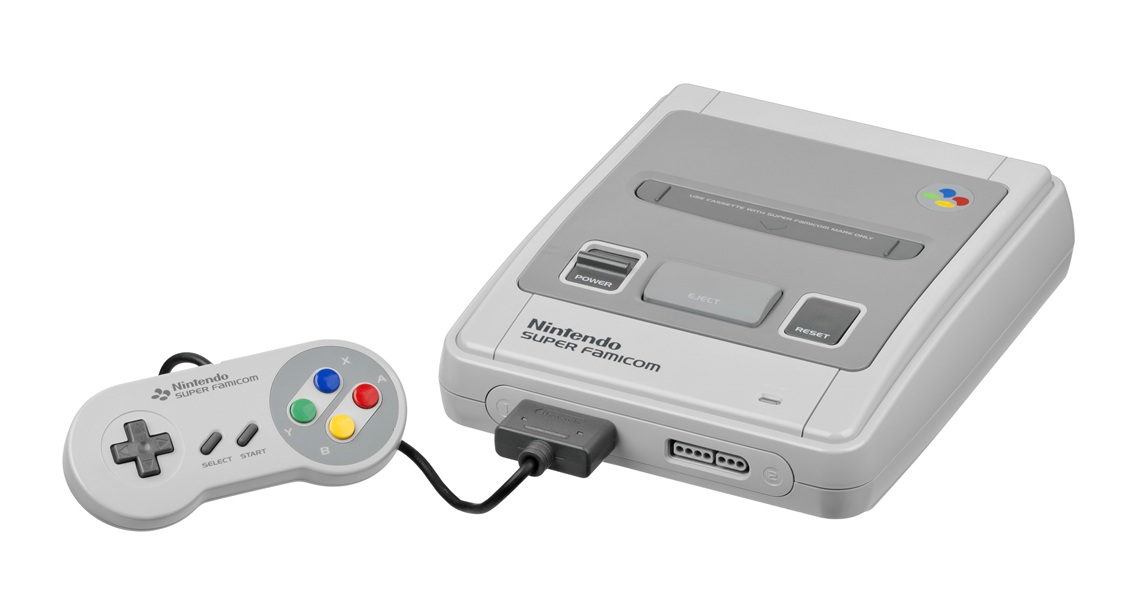
The Nintendo Super Famicom (SFC) (SHVC-001) was released in Japan on November 21, 1990 [48]. It was discontinued in Japan on September 25, 2003. [49]
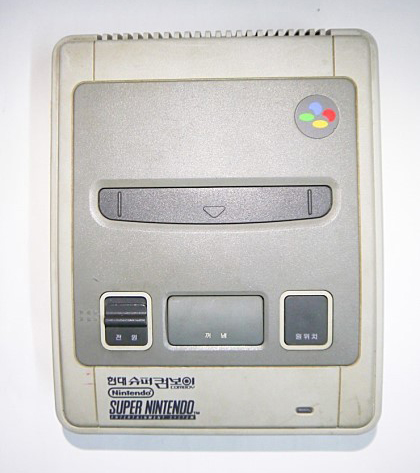
The Nintendo Hyundai Super Comboy (슈퍼 컴보이), a variant of the Nintendo Super Famicom (SFC), was released in South Korea in December 1990. It was discontinued in South Korea on April 1, 2003. [50]
The Nintendo Super Nintendo Entertainment System (SNES) (SNS-001), a variant of the Nintendo Super Famicom (SFC), was released in North America on August 23, 1991 [51], [52]. It was discontinued in North America on November 30, 1999. [53]
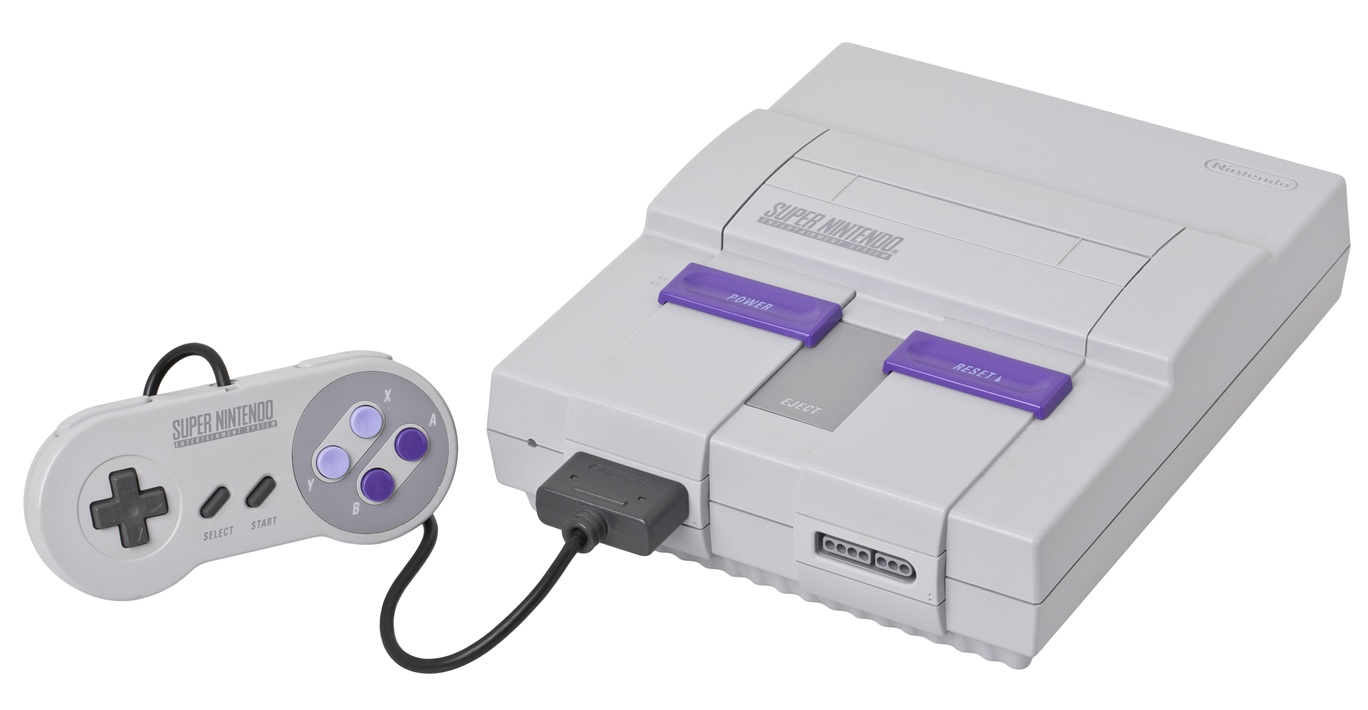
The Nintendo Super Nintendo Entertainment System (SNES) PAL Region (SNSP-001A), a variant of the Nintendo Super Famicom (SFC), was released in the UK on April 11, 1992, in Ireland on April 11, 1992, in Europe in June 1992, in Chile on June 8, 1992, in Australia on July 3, 1992, in Brazil on August 30, 1993, and in Russia on November 15, 1994 [54]–[58]. It was discontinued in Russia in 1996, in Europe in 1998, and in Brazil in 2003.
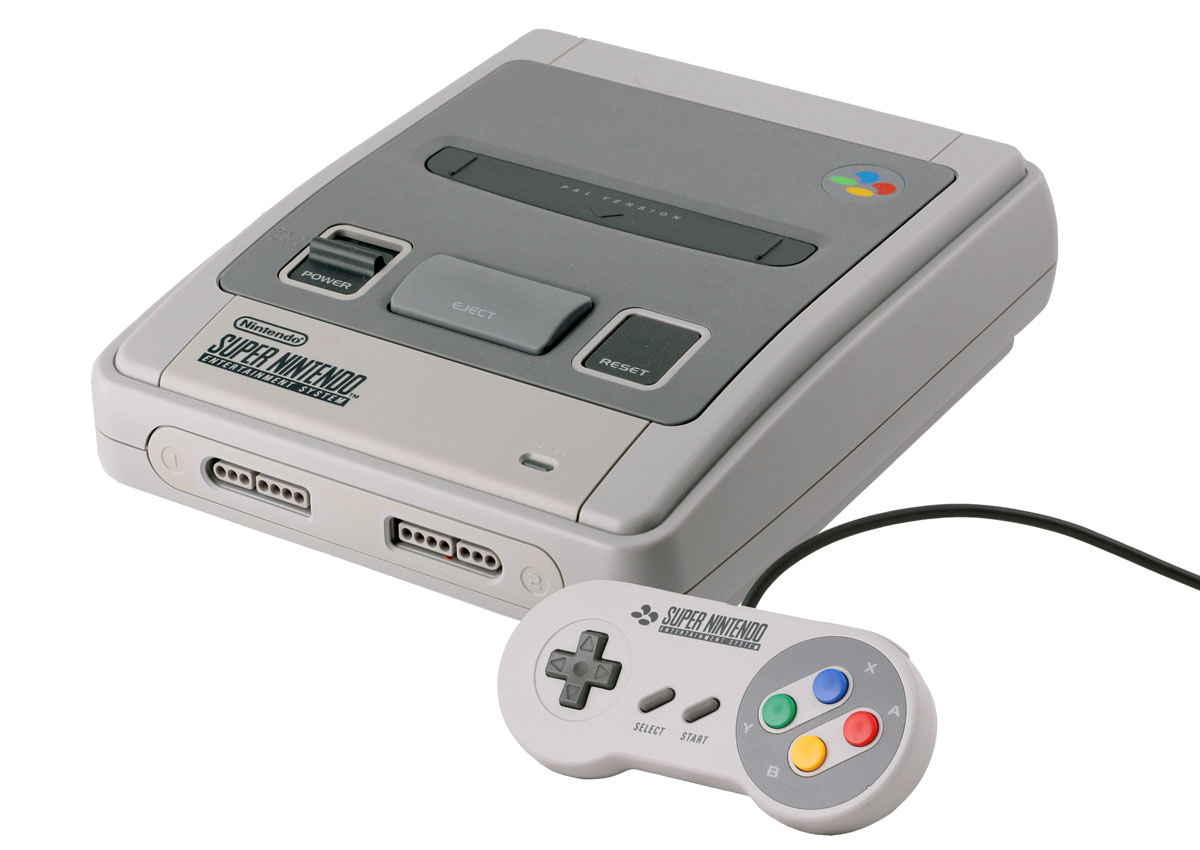
The Nintendo New-Style NES (NES-101), a variant of the Nintendo Entertainment System (NES), was released in North America on October 15, 1993.
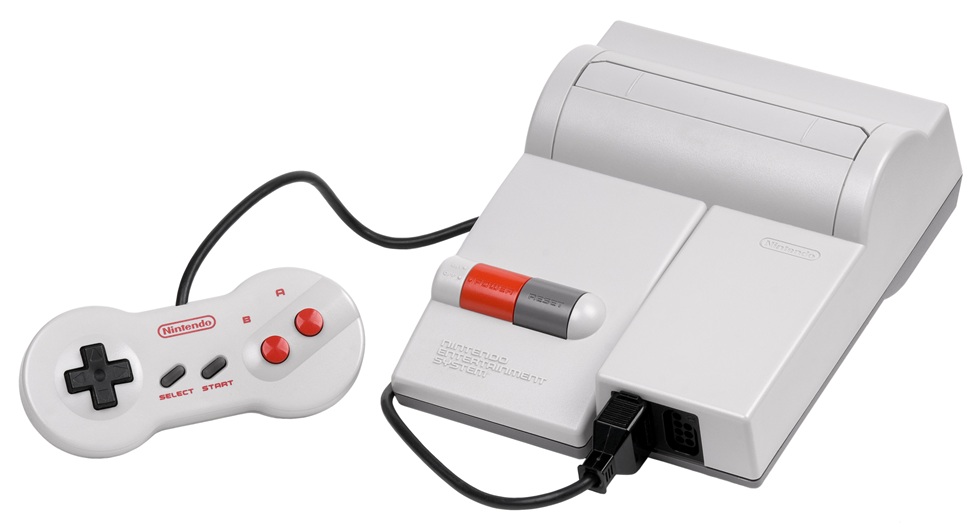
The Nintendo New Famicom (NES-101), a variant of the Nintendo Family Computer (Famicom), was released in Japan on December 1, 1993.
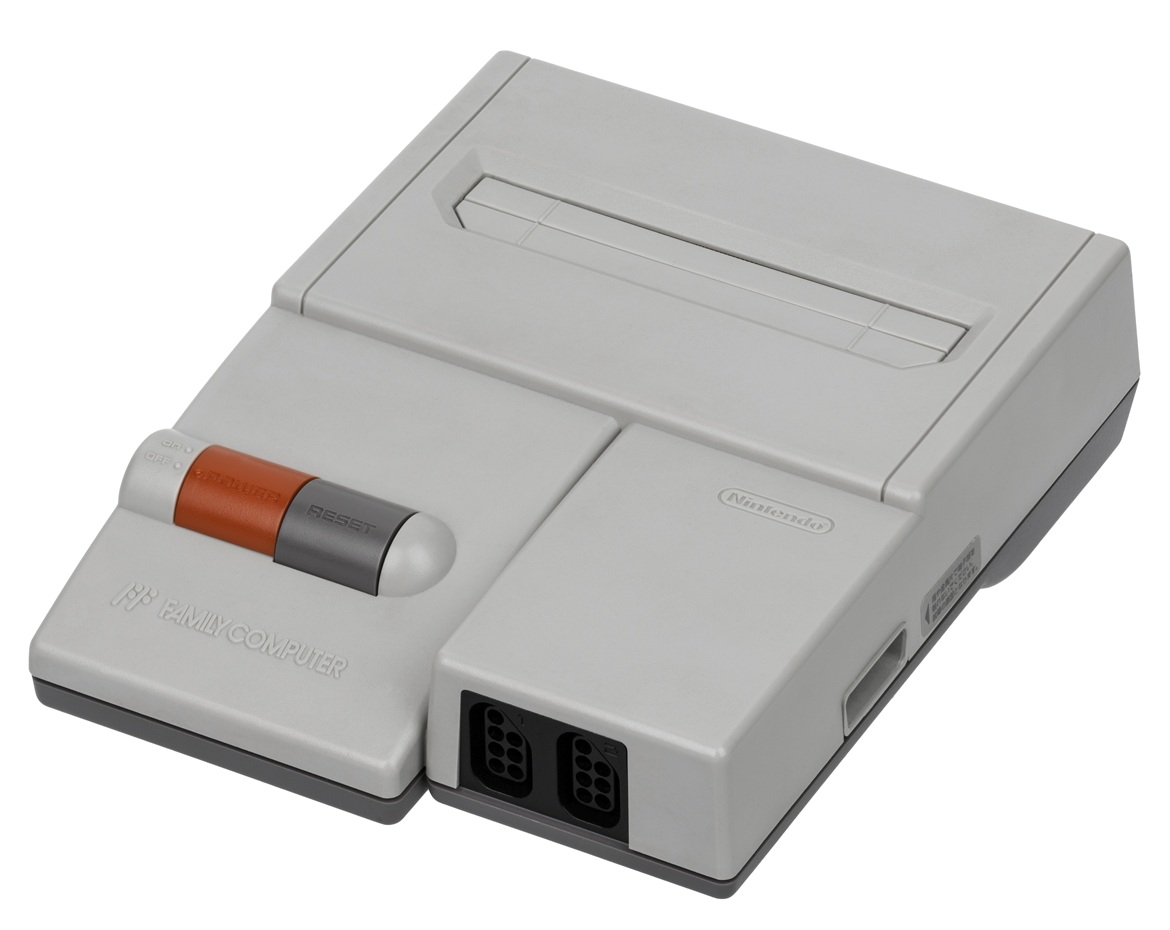
The Nintendo Game Boy (GB) Play It Loud!, a variant of the Nintendo Game Boy (GB), was released globally on March 20, 1995 [59].
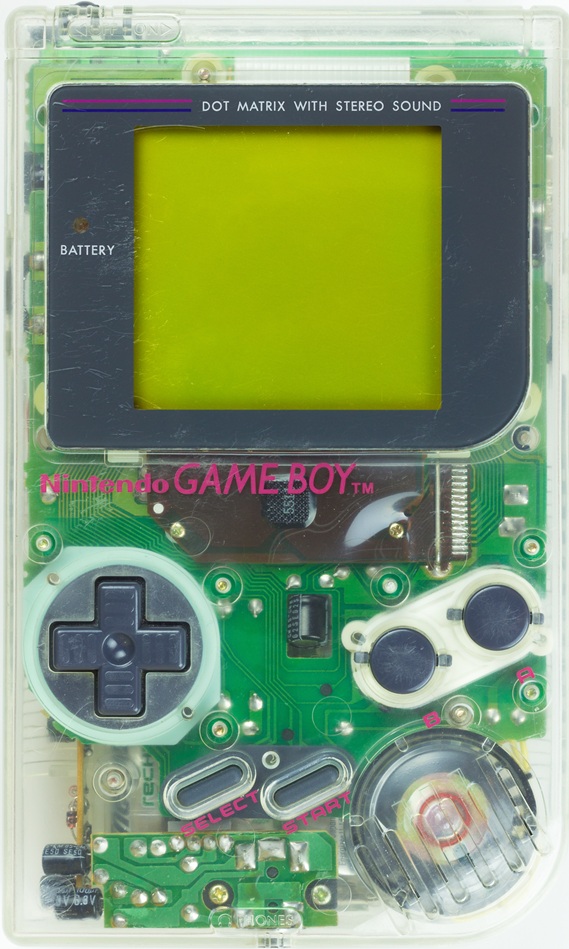
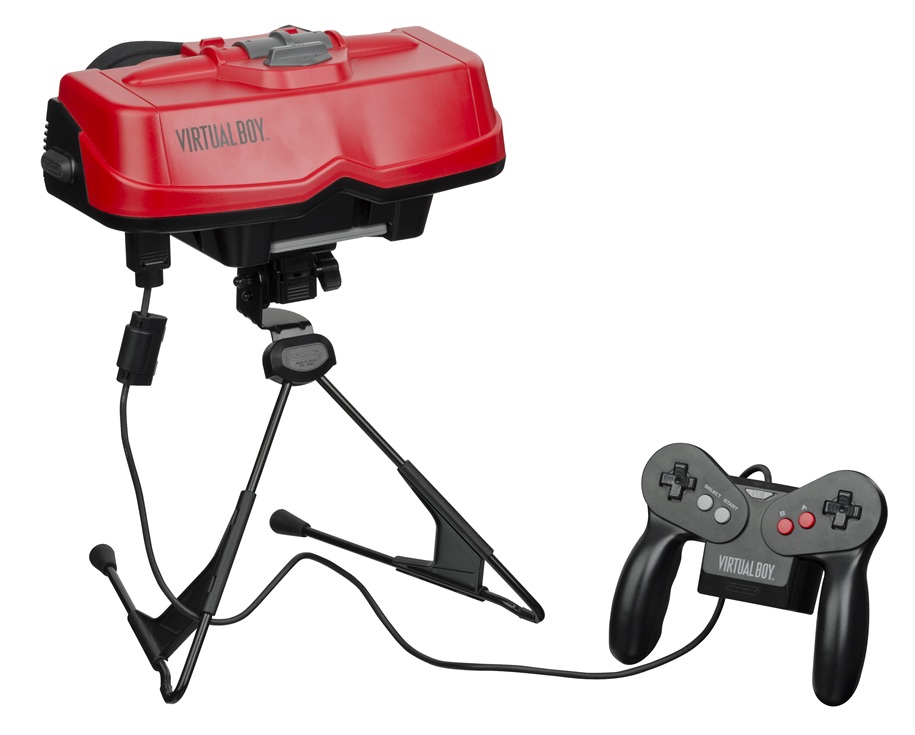
The Nintendo Virtual Boy was released in Japan on July 21, 1995, in North America on August 14, 1995, and in Brazil in September 1995 [60]–[62]. It was discontinued in Japan on December 22, 1995, in North America in August 1996, and in Brazil in 1996. [63]–[65]
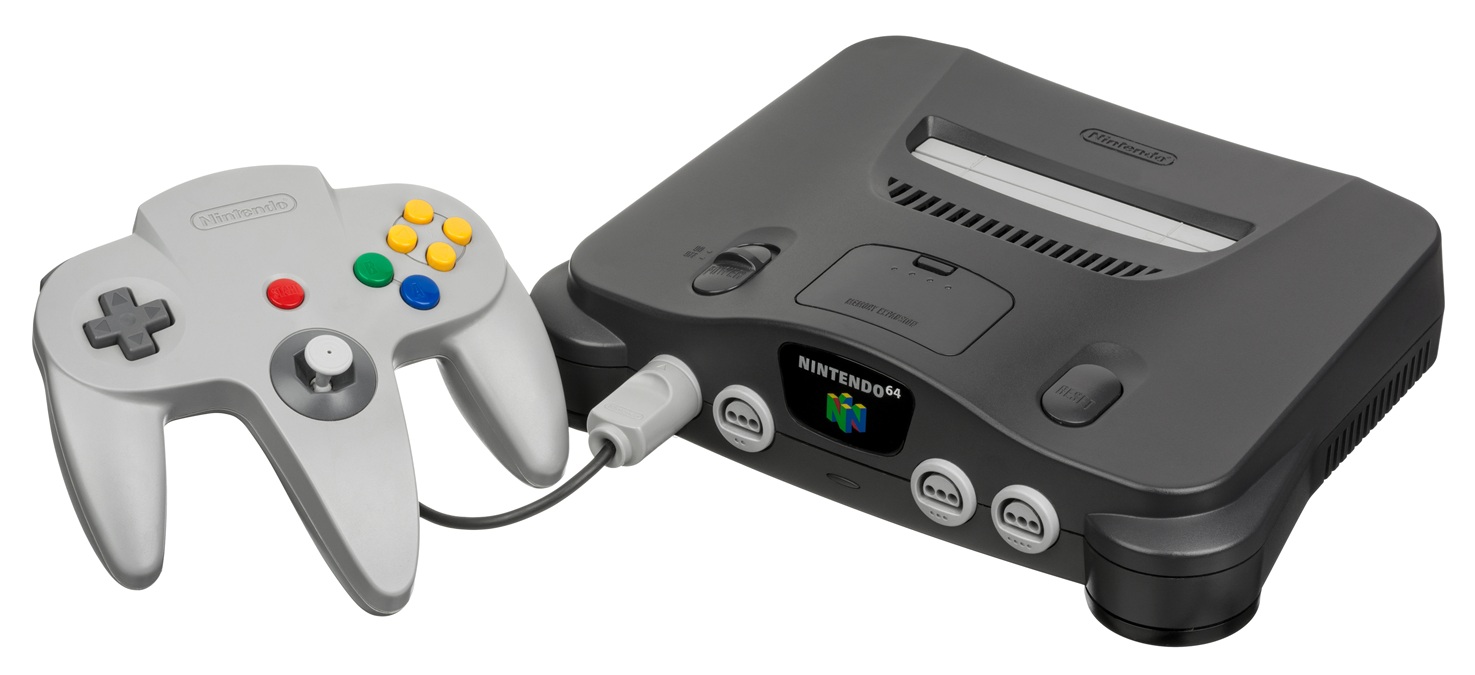
The Nintendo 64 (N64) was released in Japan on June 23, 1996, in North America on September 29, 1996, in Europe on March 1, 1997, and in Australia on March 1, 1997 [66]–[70]. It was discontinued globally on April 30, 2002. [71]
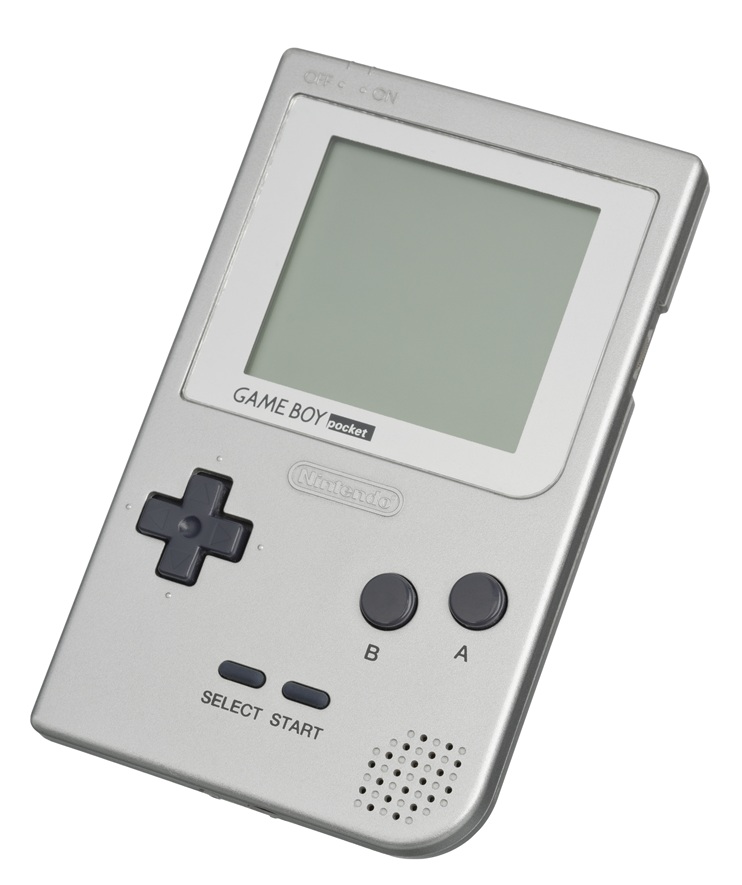
The Nintendo Game Boy (GB) Pocket, a variant of the Nintendo Game Boy (GB), was released in Japan on July 20, 1996 and in North America on September 2, 1996.
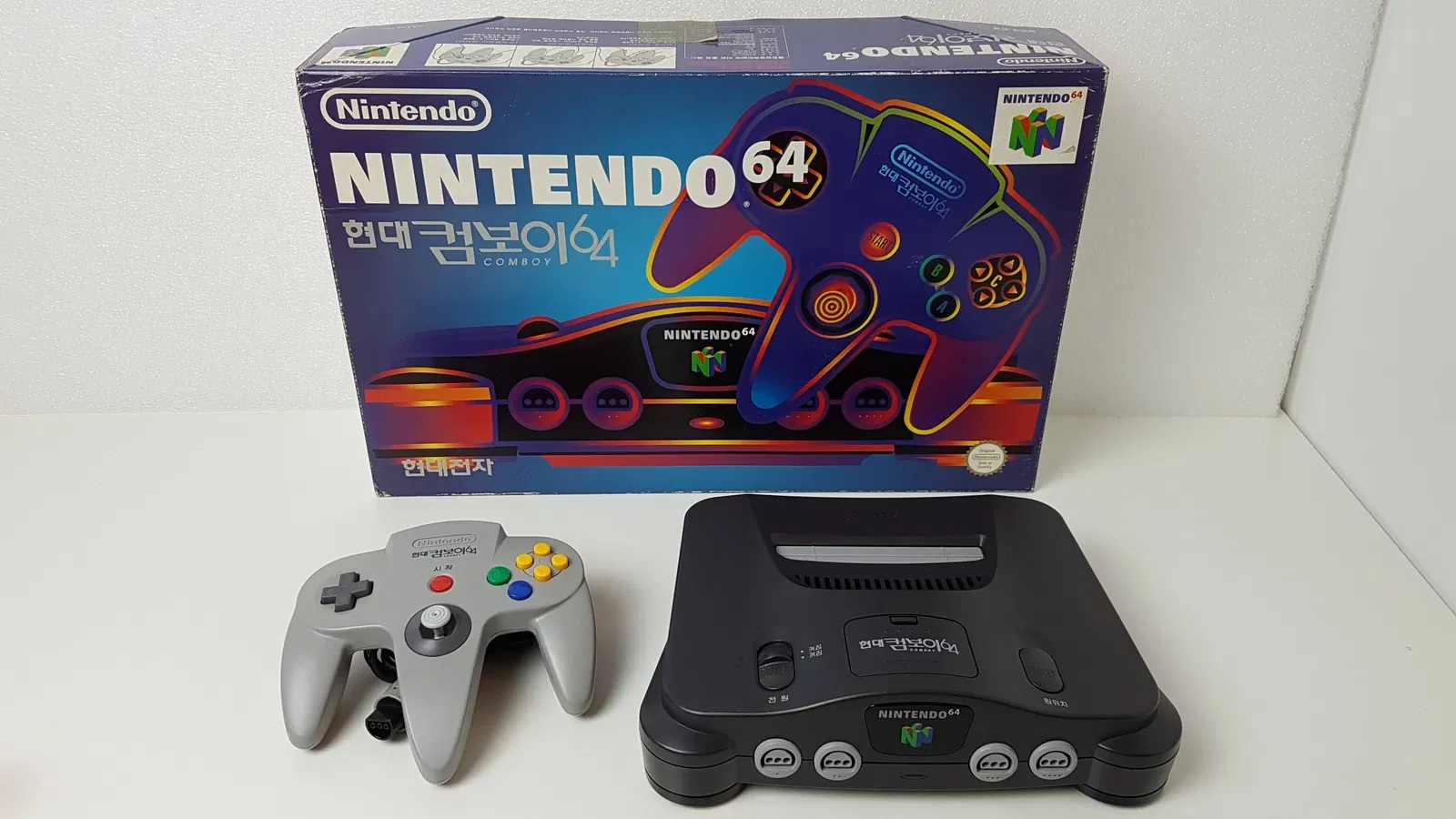
The Nintendo Hyundai Comboy 64 (컴보이 64), a variant of the Nintendo 64 (N64), was released in South Korea on July 19, 1997 [72], [73].
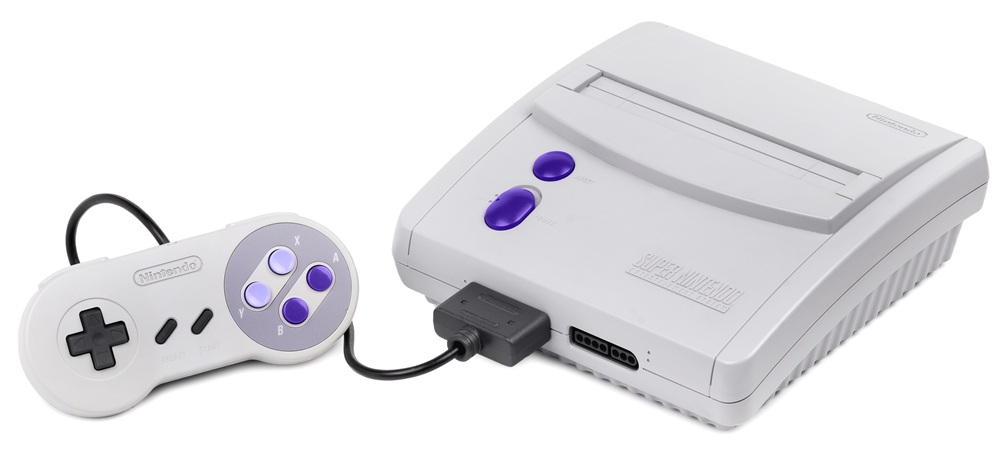
The Nintendo New-Style Super NES (SNES) (SNS-101), a variant of the Super Nintendo Entertainment System (SNES), was released in North America on October 20, 1997.
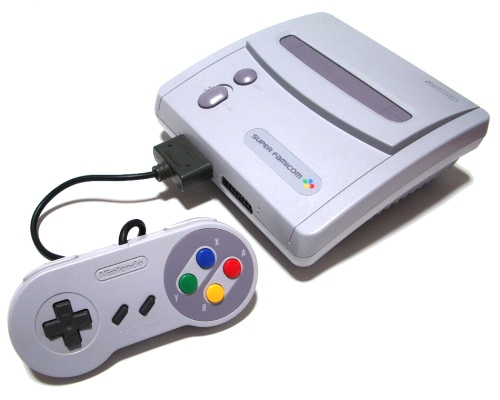
The Nintendo Super Famicom Jr. (SNS-101), a variant of the Nintendo Super Famicom (SFC), was released in Japan on March 27, 1998.
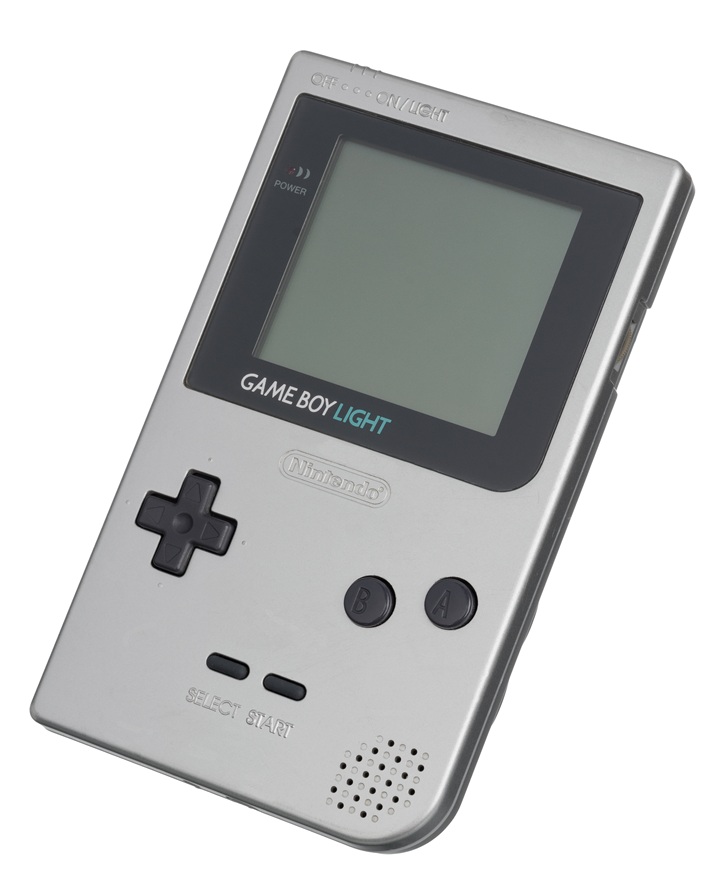
The Nintendo Game Boy (GB) Light, a variant of the Nintendo Game Boy (GB), was released in Japan on April 14, 1998 [74].
The Nintendo Game Boy Color (GBC) was released in Japan on October 21, 1998, in North America on November 18, 1998, in Europe on November 23, 1998, and in Australia on November 27, 1998. It was discontinued globally on March 31, 2003.
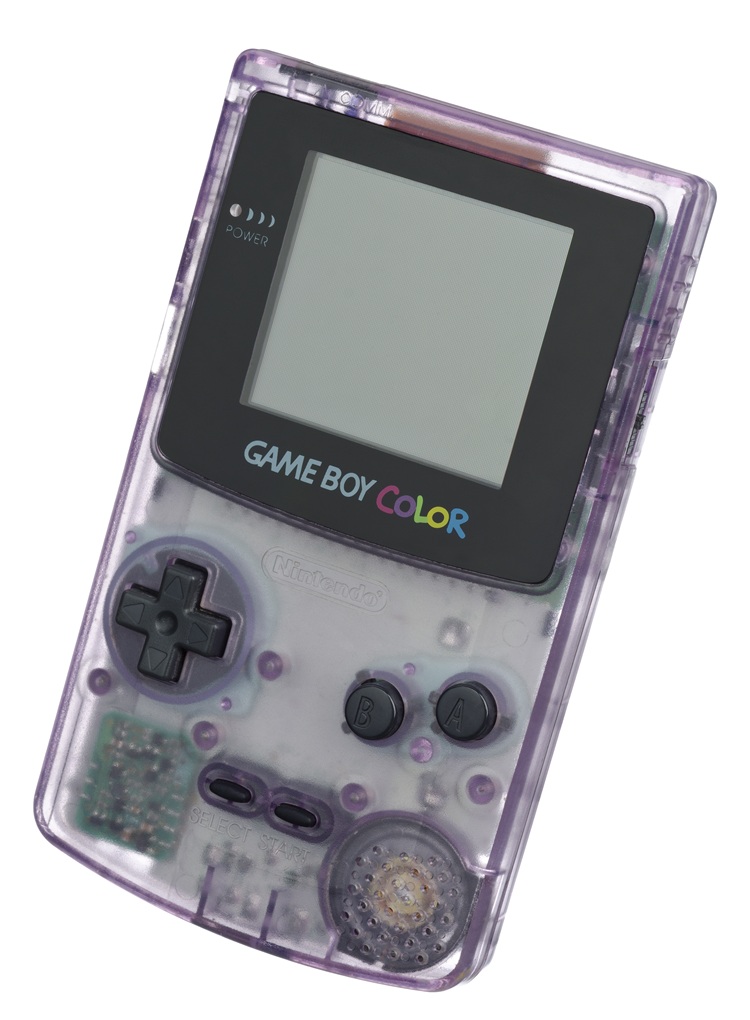
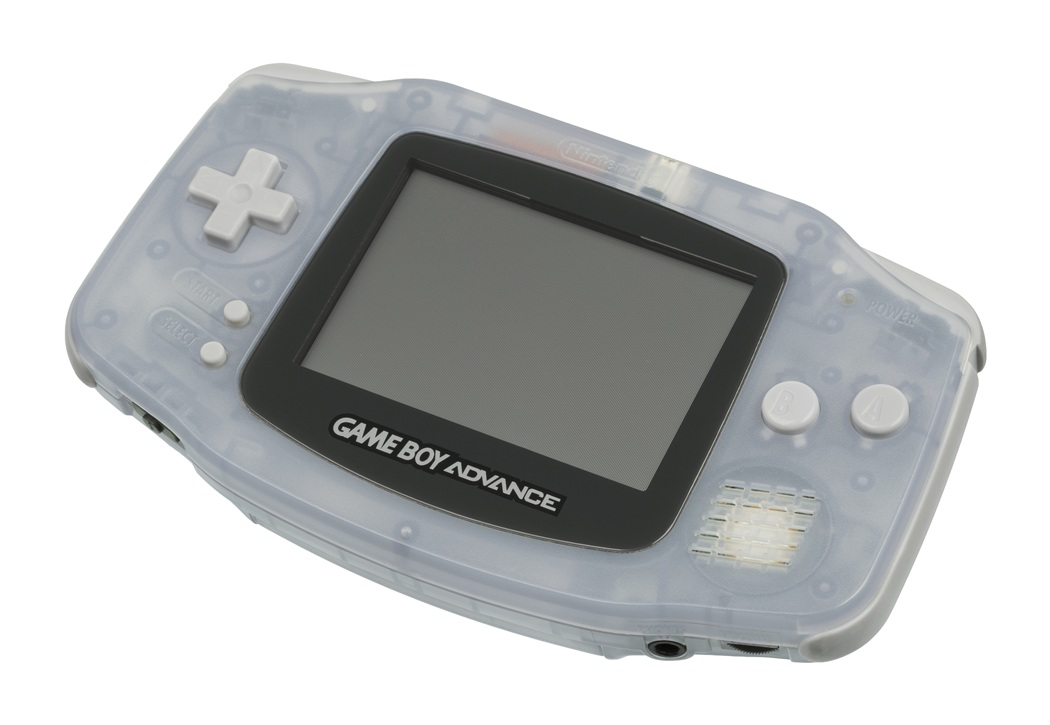
The Nintendo Game Boy Advance (GBA) (AGB-001) was released in Japan on March 21, 2001, in North America on June 11, 2001, and in PAL regions on June 22, 2001 [75]–[78]. It was discontinued globally in 2010. [79]
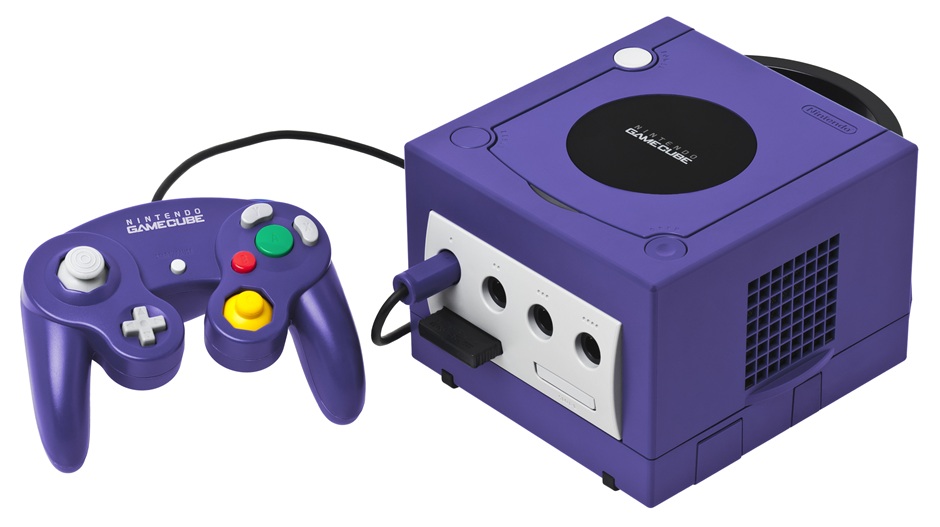
The Nintendo GameCube (GCN) was released in Japan on September 14, 2001, in North America on November 18, 2001, in Europe on May 3, 2002, and in Australia on May 17, 2002 [80]–[83]. It was discontinued globally in February 2007. [84]
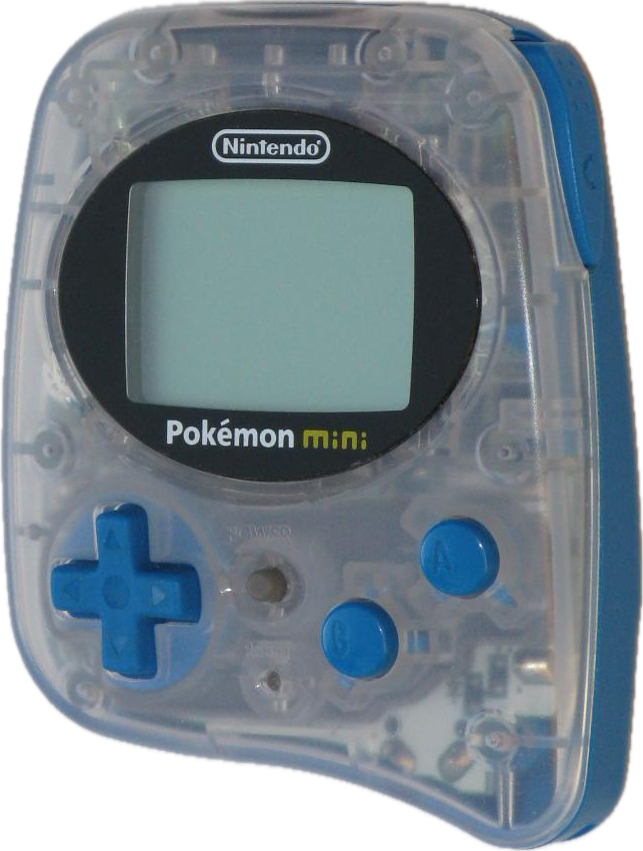
The Nintendo Pokémon Mini was released in North America on November 16, 2001, in Japan on December 14, 2001, and in Europe on March 15, 2002 [85]–[87].
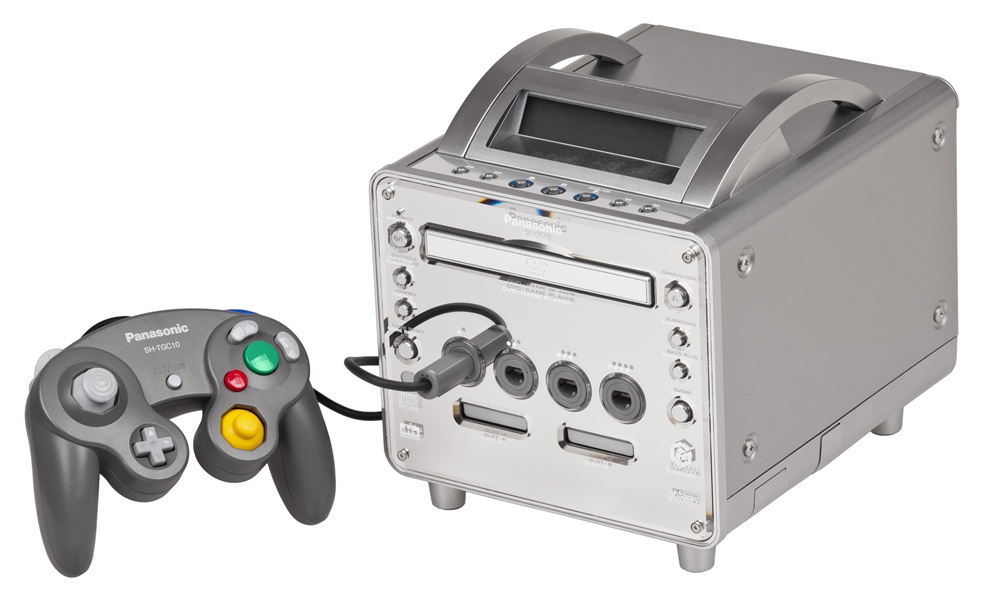
The Nintendo Panasonic Q, a variant of the Nintendo GameCube (GCN), was released in Japan on December 14, 2001 [88], [89]. It was discontinued globally on December 18, 2003. [90]
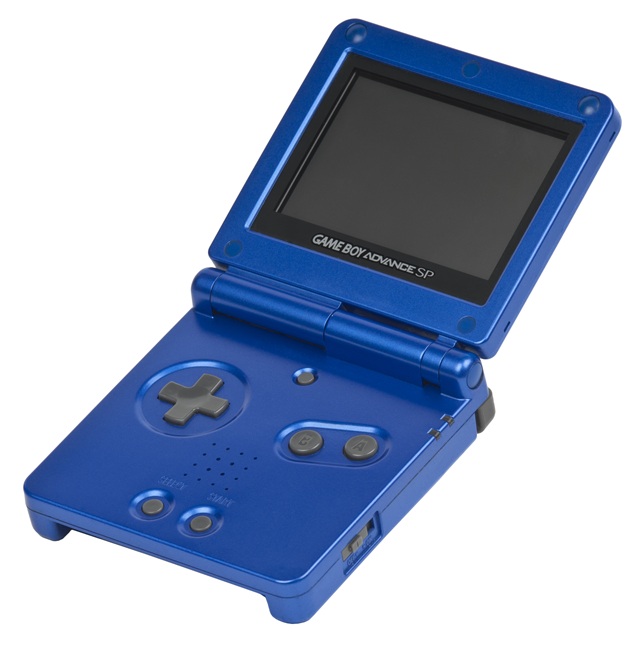
The Nintendo Game Boy Advance (GBA) SP (AGS-001), a variant of the Nintendo Game Boy Advance (GBA), was released in Japan on February 14, 2003, in North America on March 23, 2003, and in PAL regions on March 28, 2003 [91]–[93]. It was discontinued globally in 2010. [79]
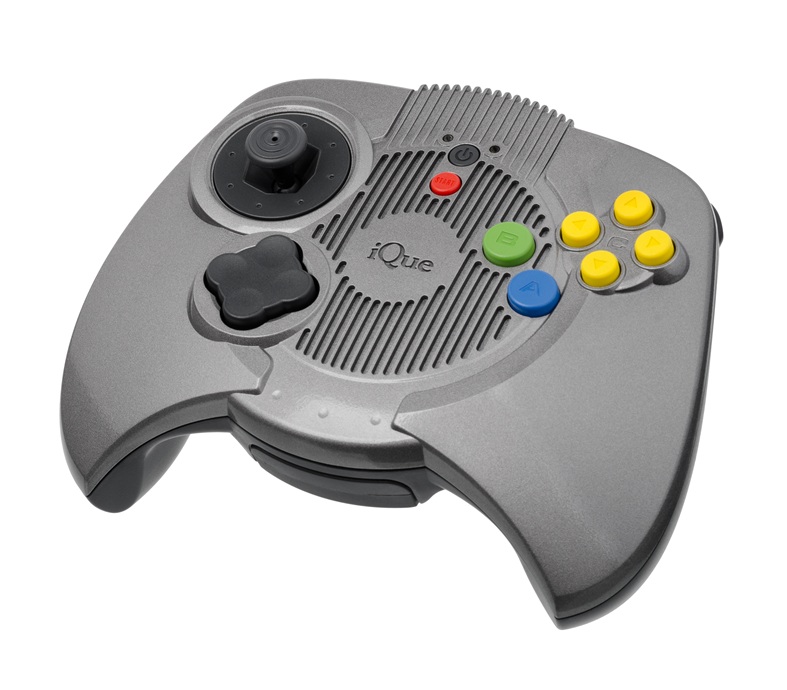
The Nintendo iQue Player (神游机), a variant of the Nintendo 64 (N64), was released in China on September 24, 2003 [94]–[96]. It was discontinued in China in December 2016.
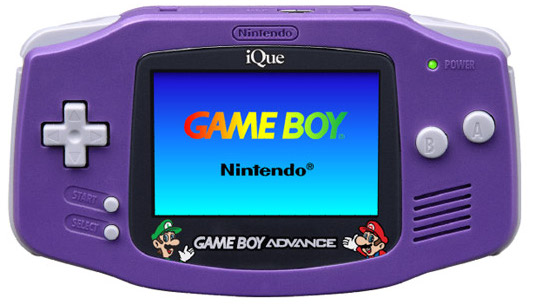
The Nintendo iQue Game Boy Advance (GBA), a variant of the Nintendo Game Boy Advance (GBA), was released in China on June 8, 2004.
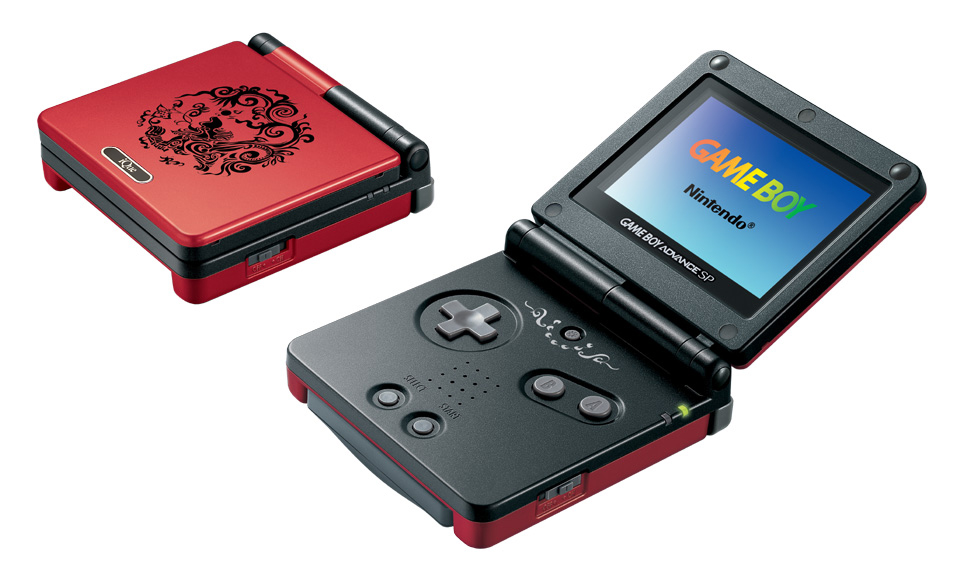
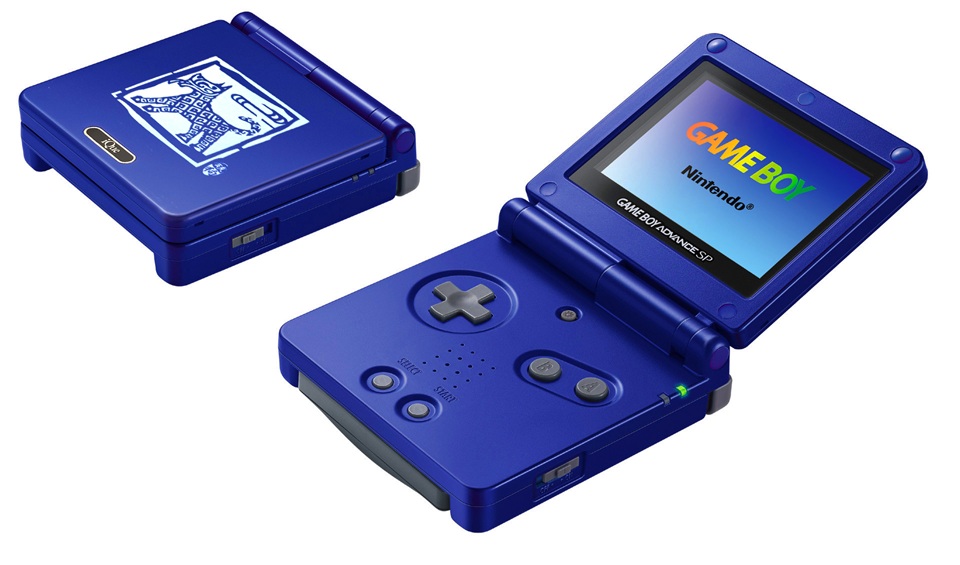
The Nintendo iQue Game Boy Advance (GBA) SP, a variant of the Nintendo Game Boy Advance (GBA) SP, was released in China on October 27, 2004 [97].
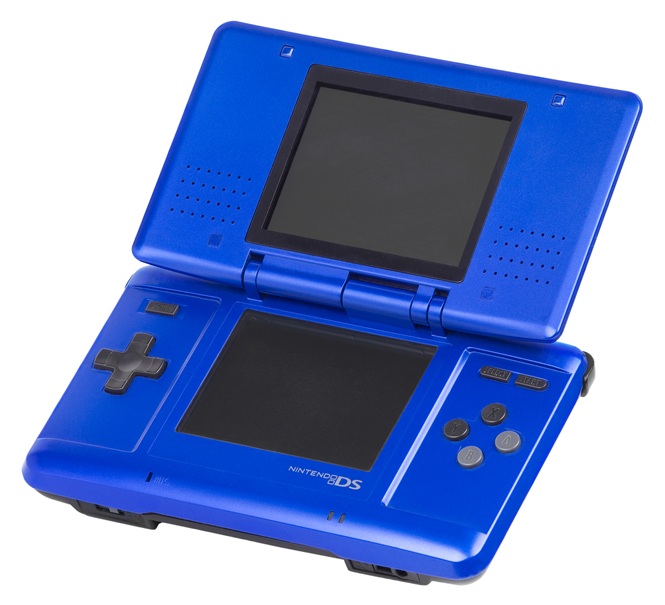
The Nintendo DS was released in North America on November 21, 2004, in Japan on December 2, 2004, in Australia on February 24, 2005, in New Zealand on February 24, 2005, and in Europe on March 11, 2005 [98]–[102].
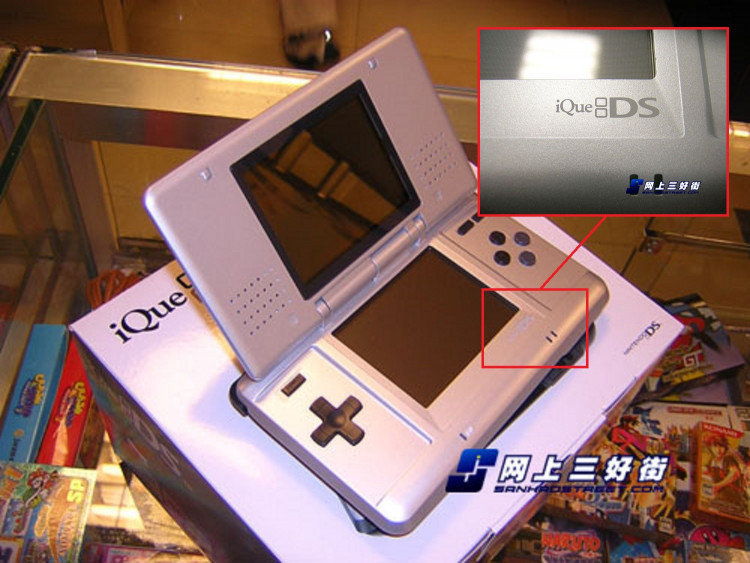
The Nintendo iQue DS, a variant of the Nintendo DS, was released in China on July 23, 2005 [103].
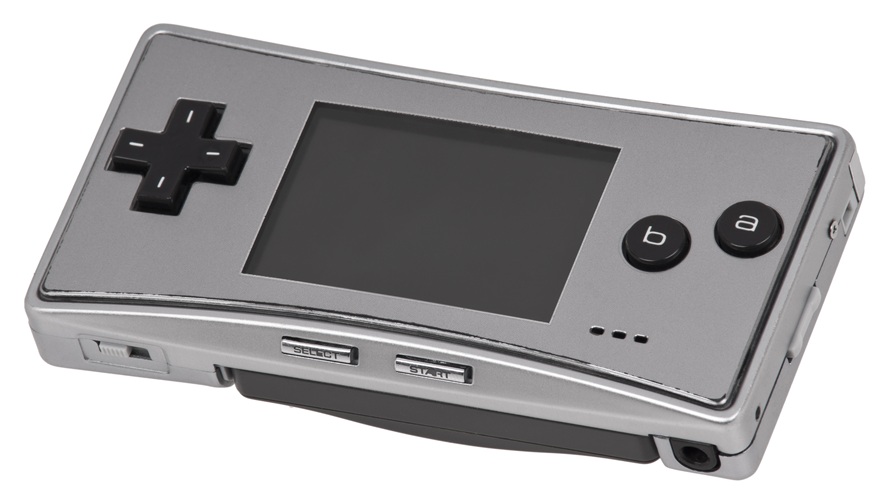
The Nintendo Game Boy Micro (OXY-001), a variant of the Nintendo Game Boy Advance (GBA), was released in Japan on September 13, 2005, in North America on September 19, 2005, in Australia on November 3, 2005, in Europe on November 4, 2005, and in South Korea on November 9, 2005 [104], [105]. It was discontinued globally in 2008. [106]
The Nintendo Game Boy Advance (GBA) SP Backlit (AGS-101), a variant of the Nintendo Game Boy Advance (GBA) SP, was released in North America on September 19, 2005 [107]. It was discontinued globally in 2010. [79]
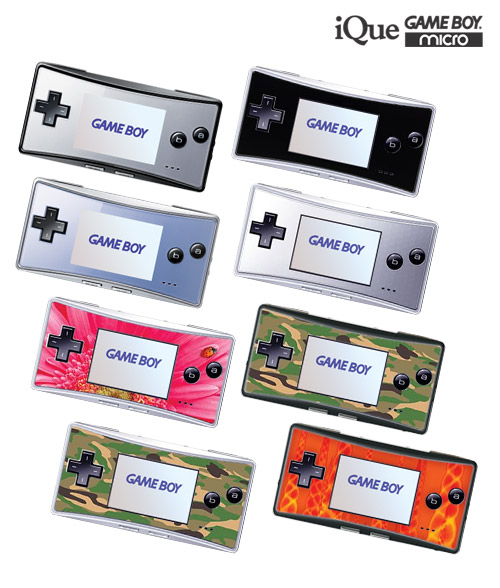
The Nintendo iQue Game Boy Micro, a variant of the Nintendo Game Boy Micro, was released in China on October 1, 2005.
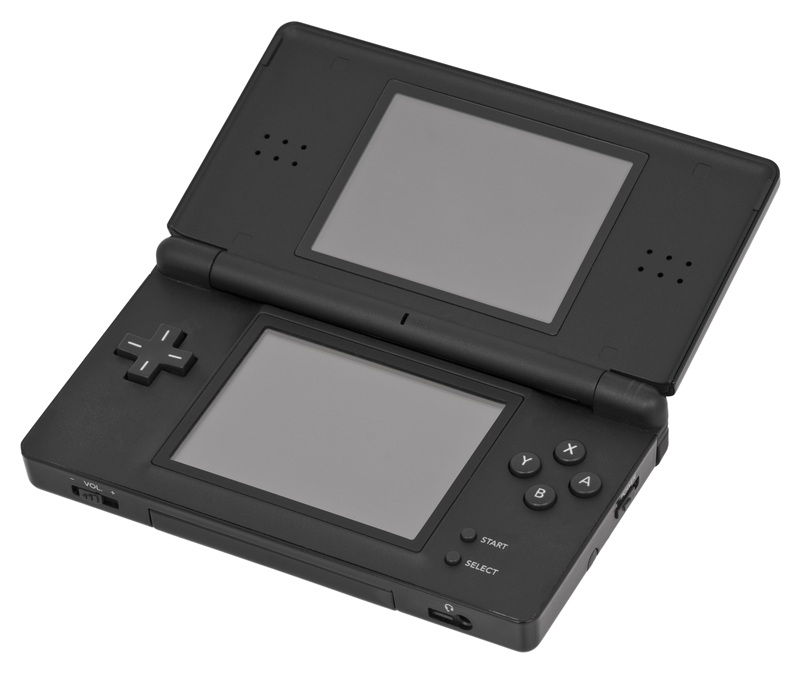
The Nintendo DS Lite, a variant of the Nintendo DS, was released in Japan on March 2, 2006, in Australia on June 1, 2006, in North America on June 11, 2006, in Europe on June 23, 2006, and in South Korea on January 18, 2007 [108]–[111]. It was discontinued globally in April 2011. [112], [113]
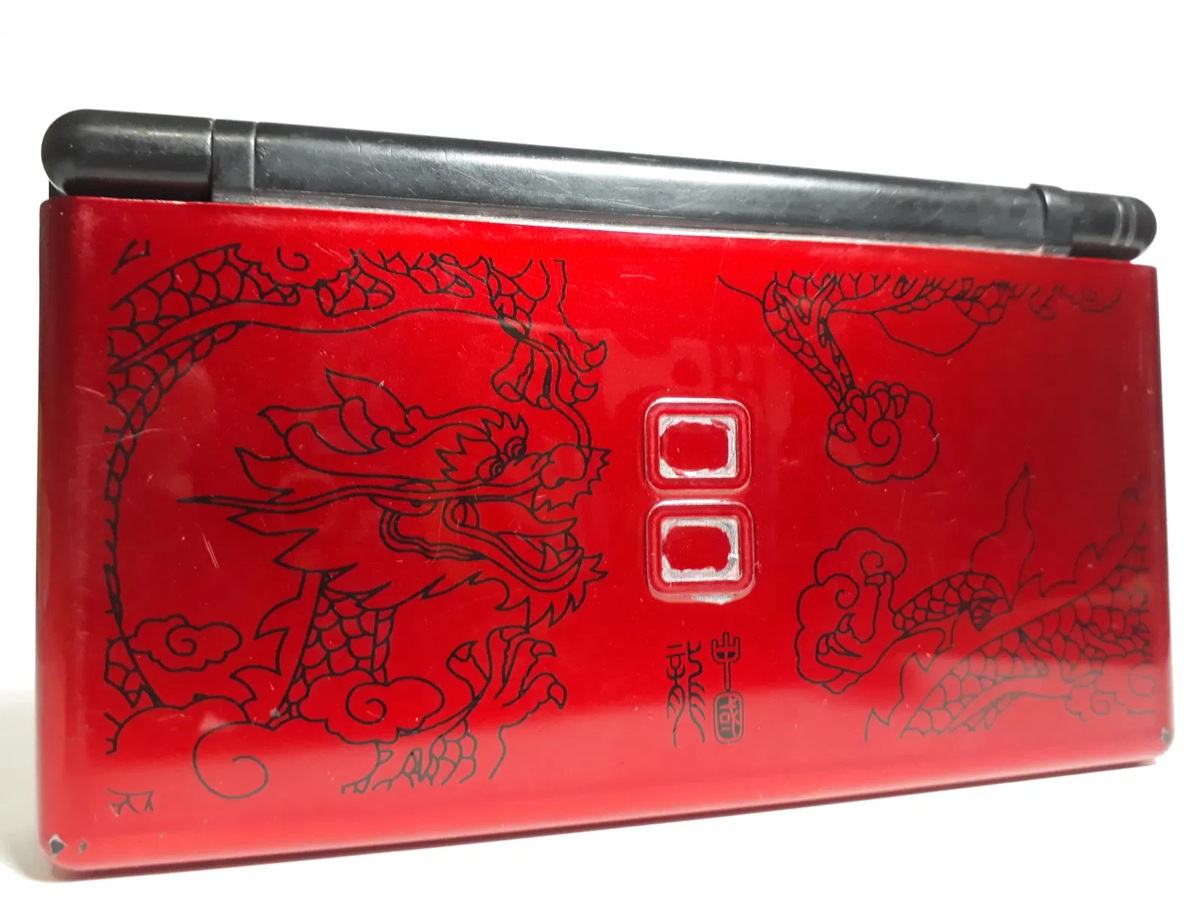
The Nintendo iQue DS Lite, a variant of the Nintendo DS Lite, was released in China in April 2006 [114].
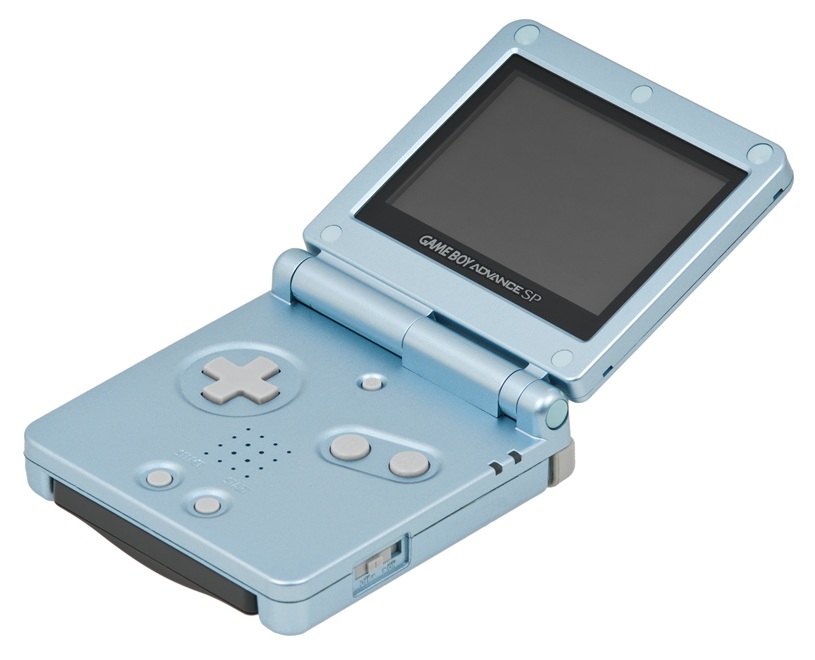
The Nintendo iQue Game Boy Advance (GBA) SP Backlit, a variant of the Nintendo Game Boy Advance (GBA) SP Backlit, was released in China in April 2006 [114].
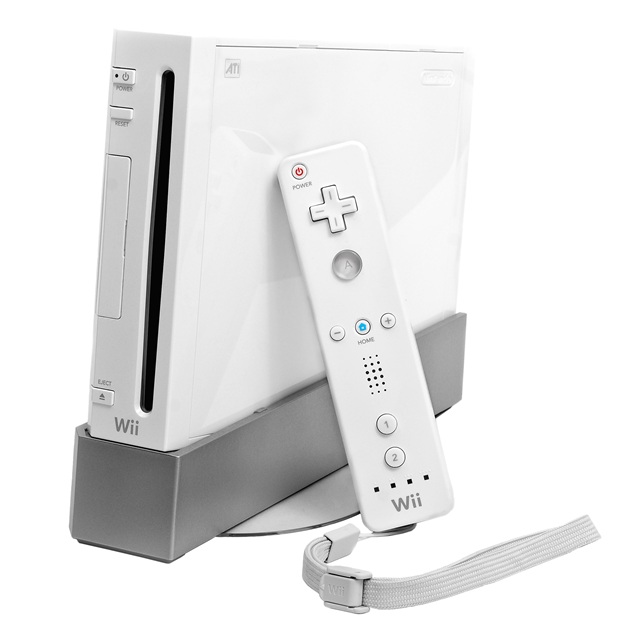
The Nintendo Wii was released in North America on November 19, 2006, in Japan on December 2, 2006, in Australia on December 7, 2006, in Europe on December 8, 2006, in South Africa on September 30, 2007, in South Korea on April 26, 2008, in Taiwan on July 12, 2008, in India on September 30, 2008, and in Hong Kong on December 12, 2009 [115]–[120]. It was discontinued in Australia in November 2011, in Japan on October 20, 2013, and in Europe on October 24, 2013. [121], [122]
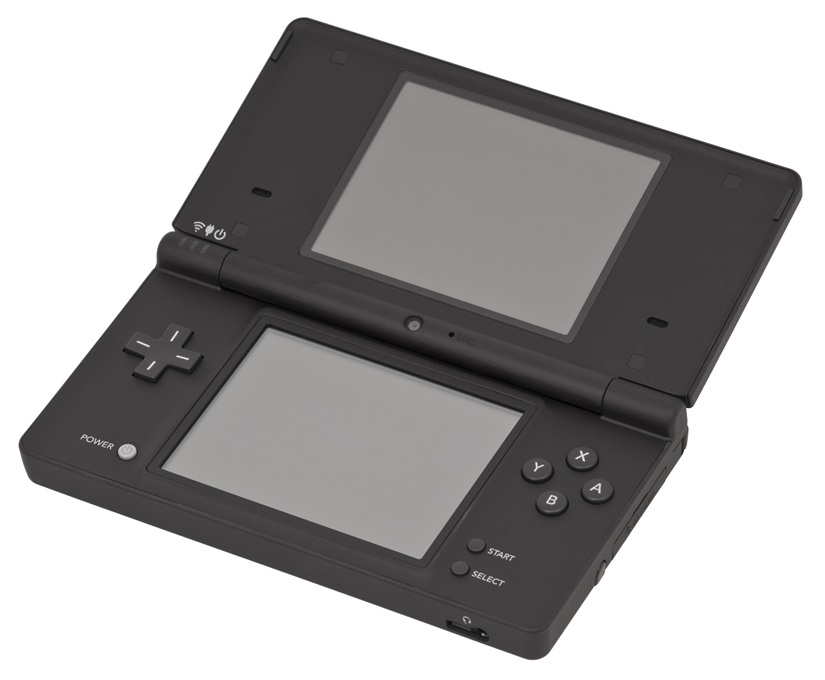
The Nintendo DSi, a variant of the Nintendo DS Lite, was released in Japan on November 1, 2008, in Australia on April 2, 2009, in Europe on April 3, 2009, and in North America on April 5, 2009 [123]–[125].
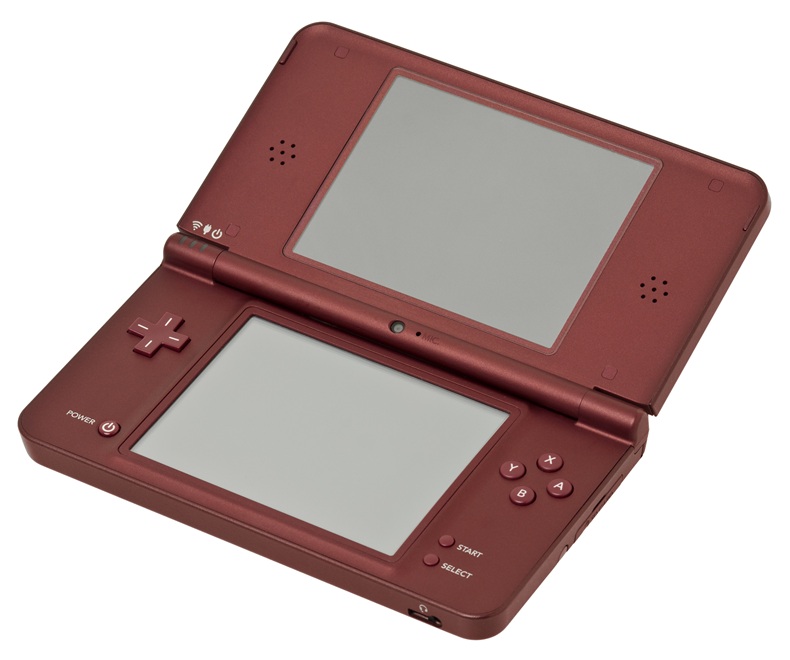
The Nintendo DSi XL (DSi LL), a variant of the Nintendo DSi, was released in Japan on November 21, 2009, in Europe on March 5, 2010, in North America on March 28, 2010, and in Australia on April 15, 2010 [126]–[129].
The Nintendo iQue DSi, a variant of the Nintendo DSi, was released in China in December 2009 [130].
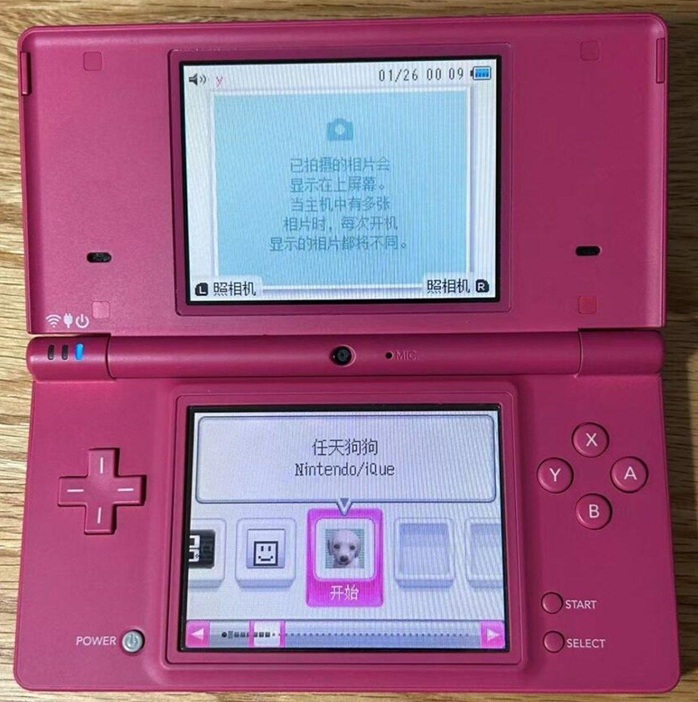
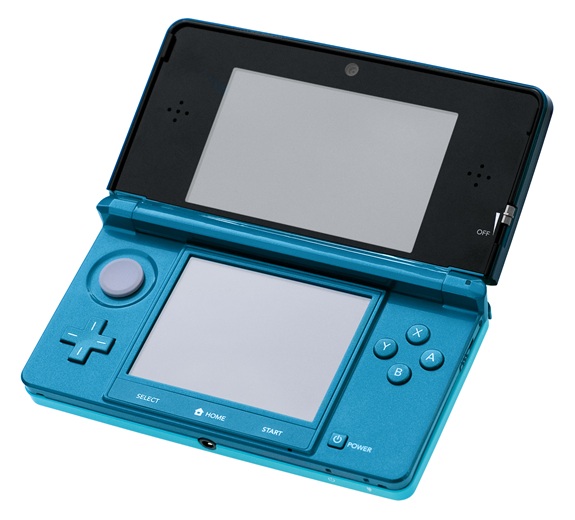
The Nintendo 3DS was released in Japan on February 26, 2011, in Europe on March 25, 2011, in North America on March 27, 2011, and in Australia on March 31, 2011 [131]–[134]. It was discontinued in Europe in 2017, in Japan in 2017, and globally on September 16, 2020. [135]–[138]
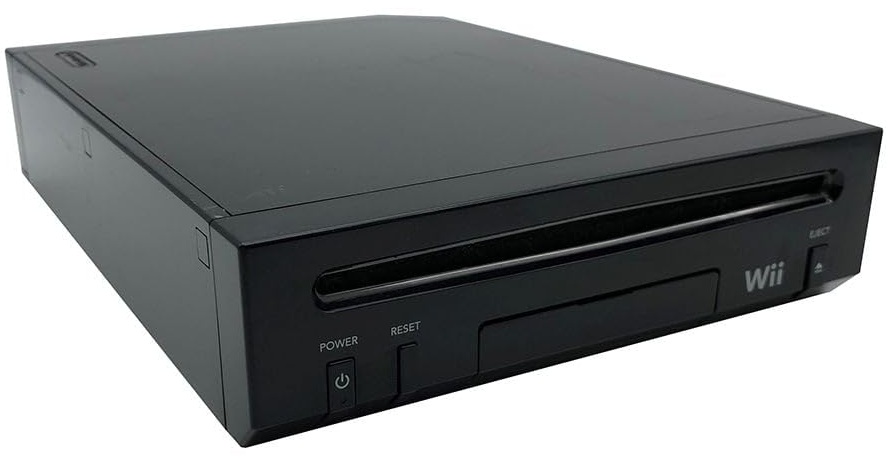
The Nintendo Wii Family Edition (RVL-101), a variant of the Nintendo Wii, was released in North America on October 23, 2011, in Europe on November 4, 2011, and in Australia on November 11, 2011 [139], [140]. It was discontinued in Europe on October 24, 2013 and in North America in May 2014. [122]
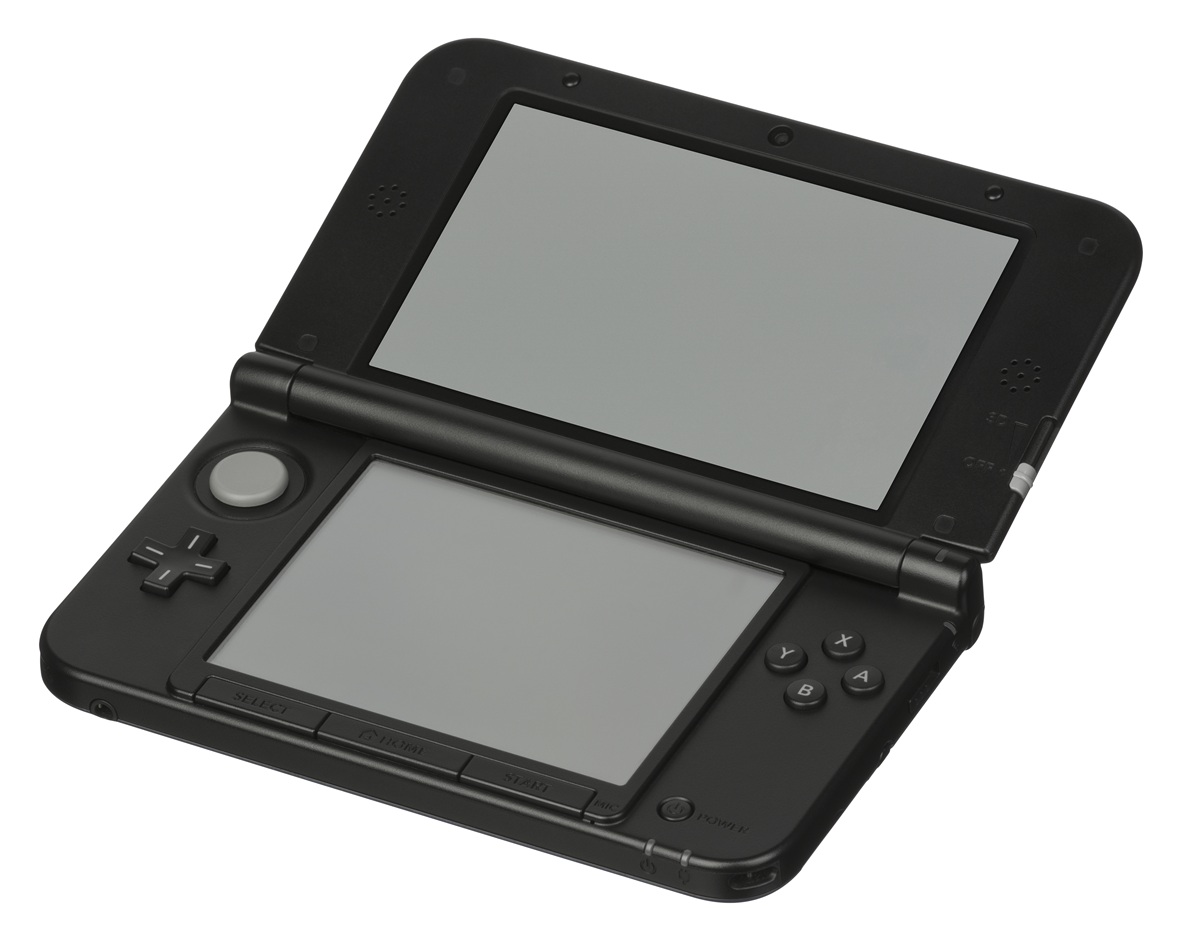
The Nintendo 3DS XL (3DS LL), a variant of the Nintendo 3DS, was released in Japan on July 28, 2012, in Europe on July 28, 2012, in North America on August 19, 2012, in Australia on August 23, 2012, in South Korea on September 20, 2012, in Hong Kong on September 28, 2012, and in Taiwan on September 28, 2012 [141]–[145]. It was discontinued globally on September 16, 2020. [137], [138]
The Nintendo Wii U was released in North America on November 18, 2012, in Europe on November 30, 2012, in Australia on November 30, 2012, and in Japan on December 8, 2012 [146]–[148]. It was discontinued globally on January 31, 2017. [149], [150]
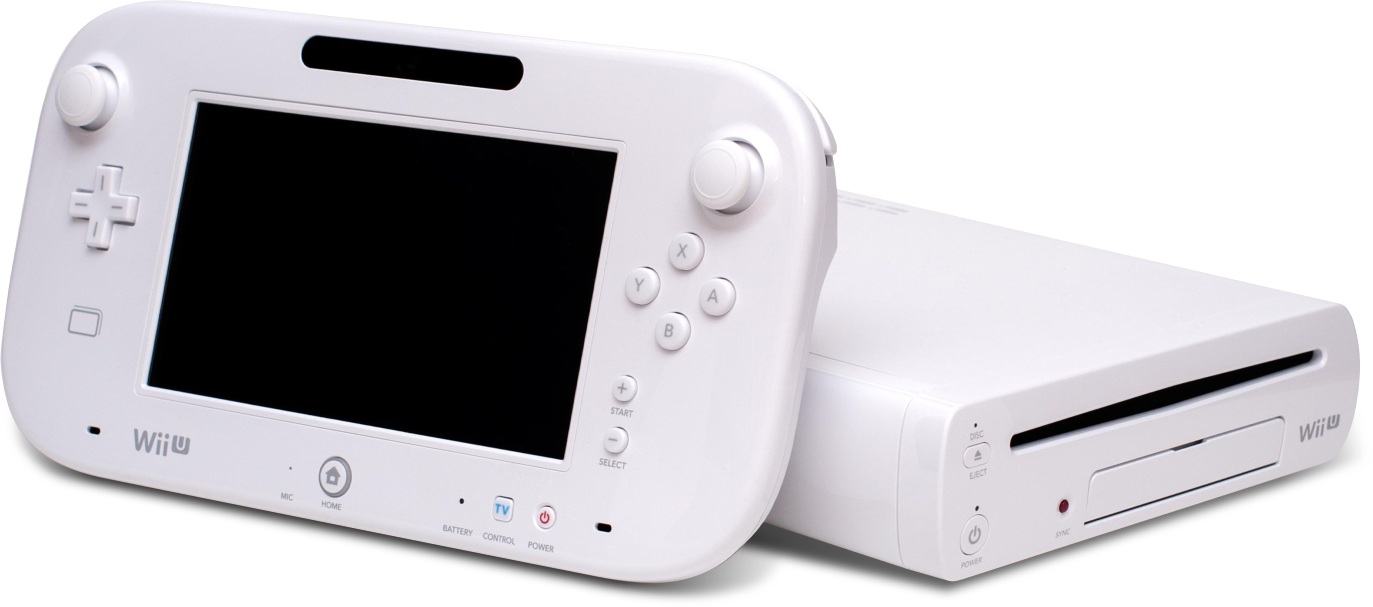
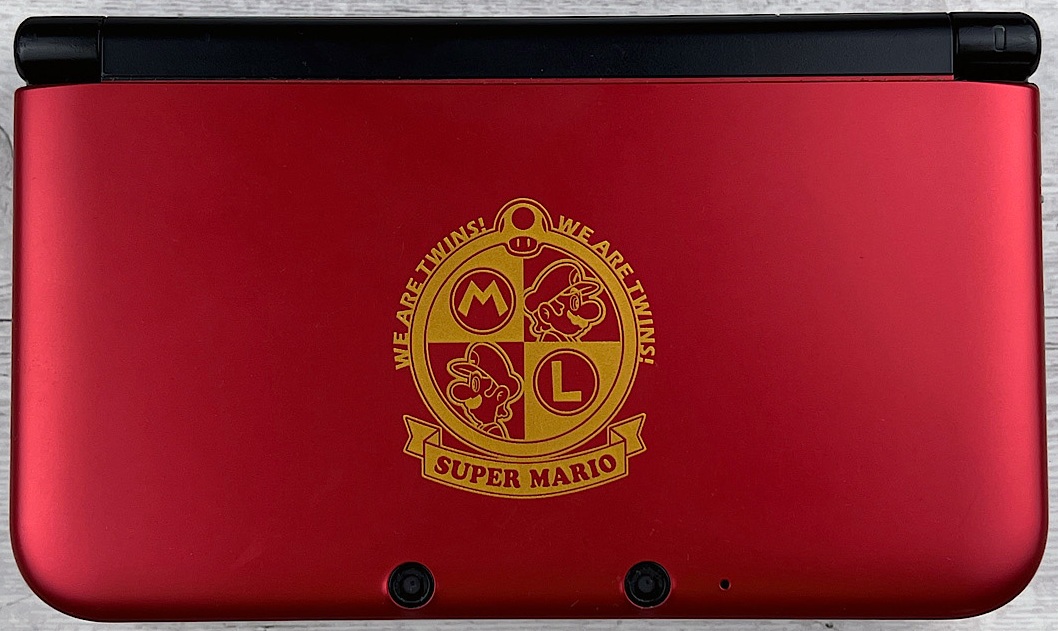
The Nintendo iQue 3DS XL, a variant of the Nintendo 3DS XL, was released in China in December 2012 [151].
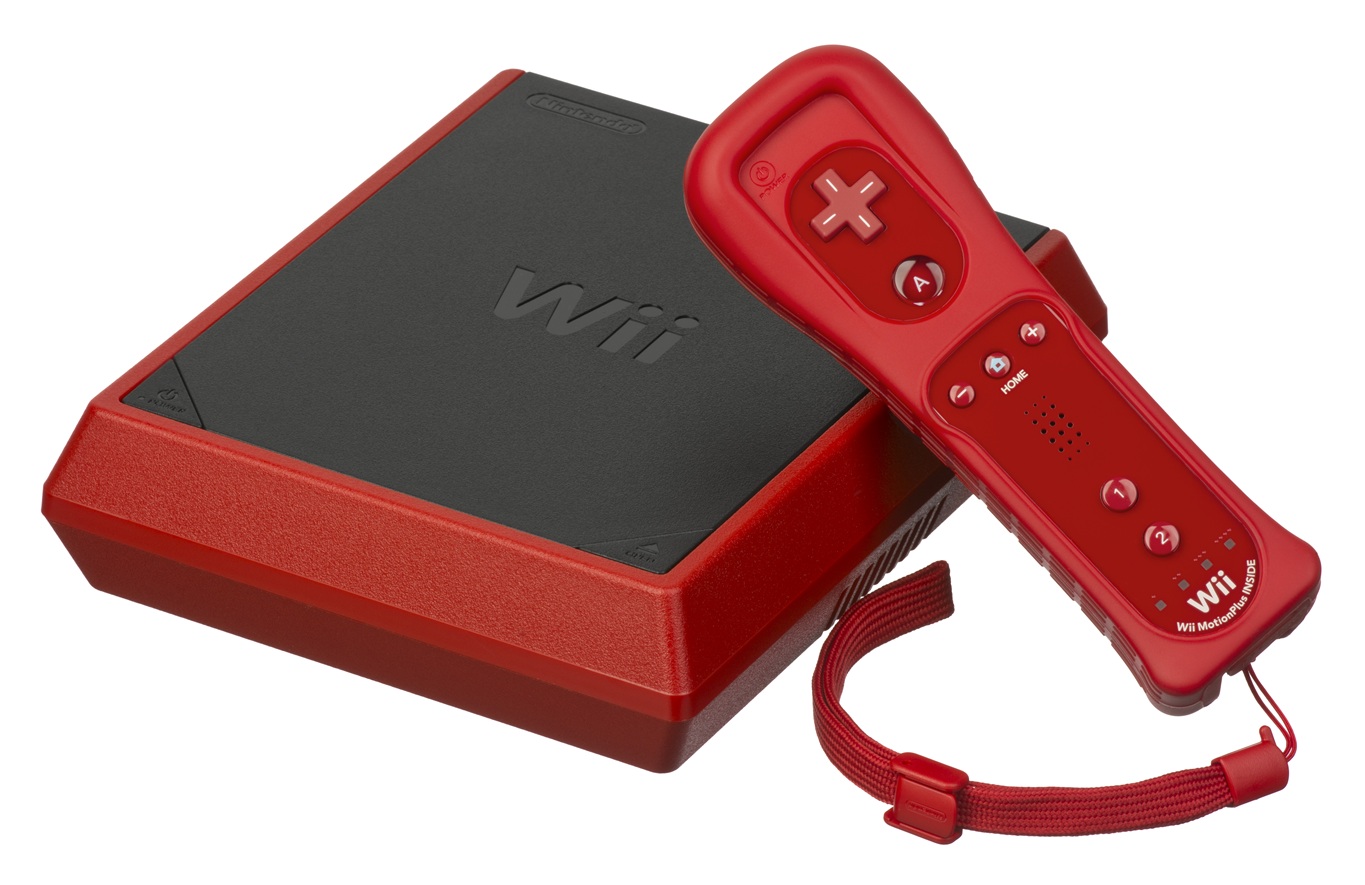
The Nintendo Wii Mini (RVL-201), a variant of the Nintendo Wii, was released in Canada on December 7, 2012, in Europe on March 22, 2013, and in the USA on November 17, 2013 [152]–[154].
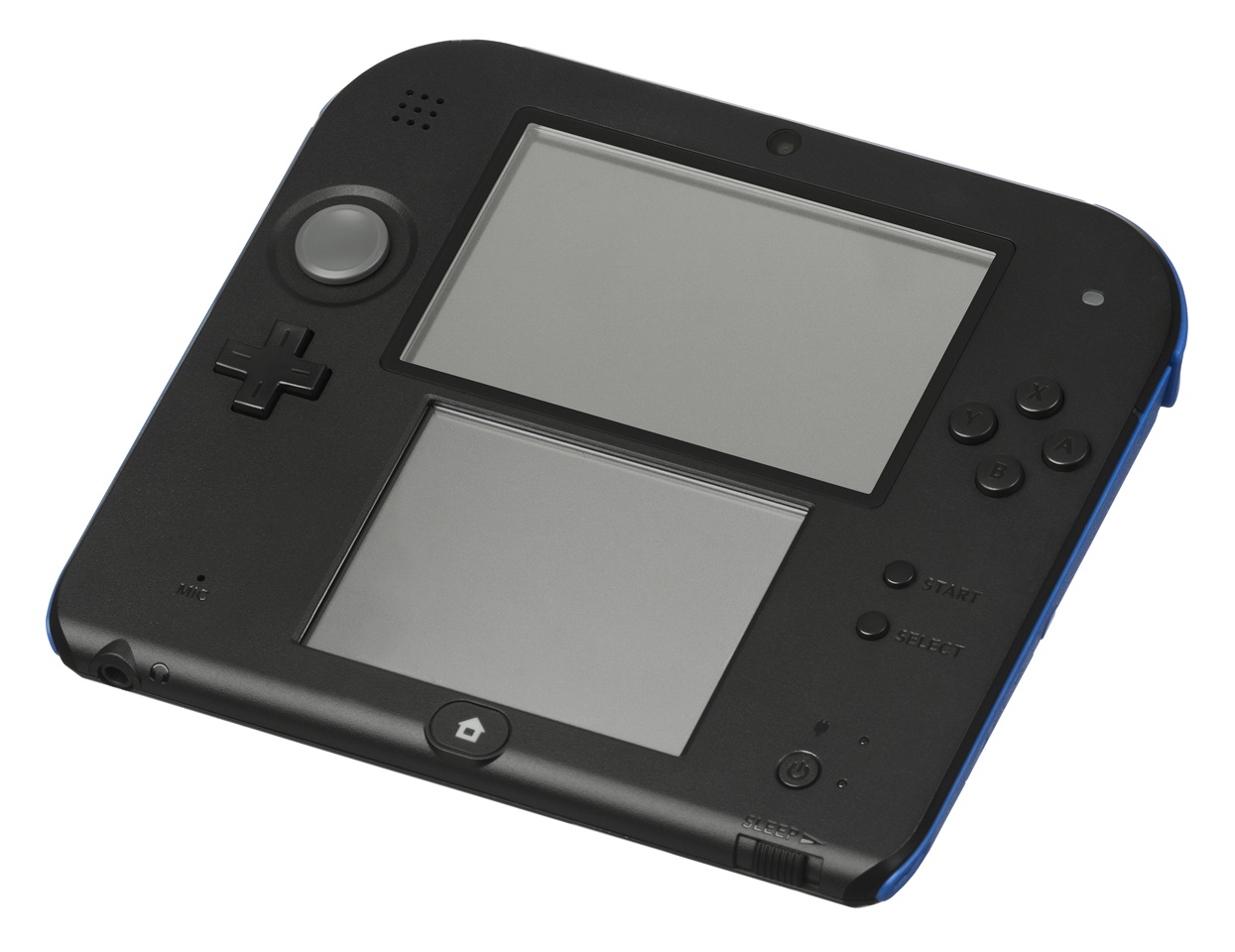
The Nintendo 2DS, a variant of the Nintendo 3DS, was released in North America on October 12, 2013, in Europe on October 12, 2013, in Australia on October 12, 2013, in Brazil on November 26, 2013, in South Korea on December 7, 2013, and in Japan on February 27, 2016 [155], [156]. It was discontinued in Japan in 2018 and globally on September 16, 2020. [157]
The Nintendo New Nintendo 3DS XL (New Nintendo 3DS LL), a variant of the Nintendo 3DS XL, was released in Japan on October 11, 2014, in Australia on November 21, 2014, in Europe on January 6, 2015, in North America on February 13, 2015, and in South Korea on May 1, 2015 [158]–[164]. It was discontinued globally on September 16, 2020. [137]
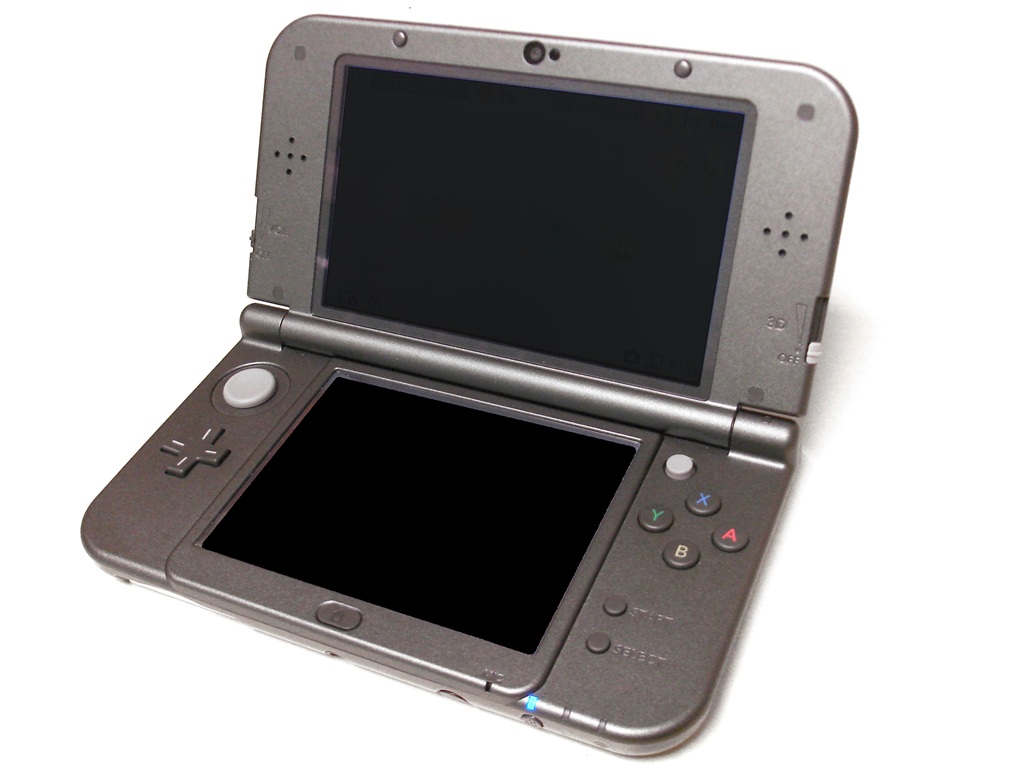
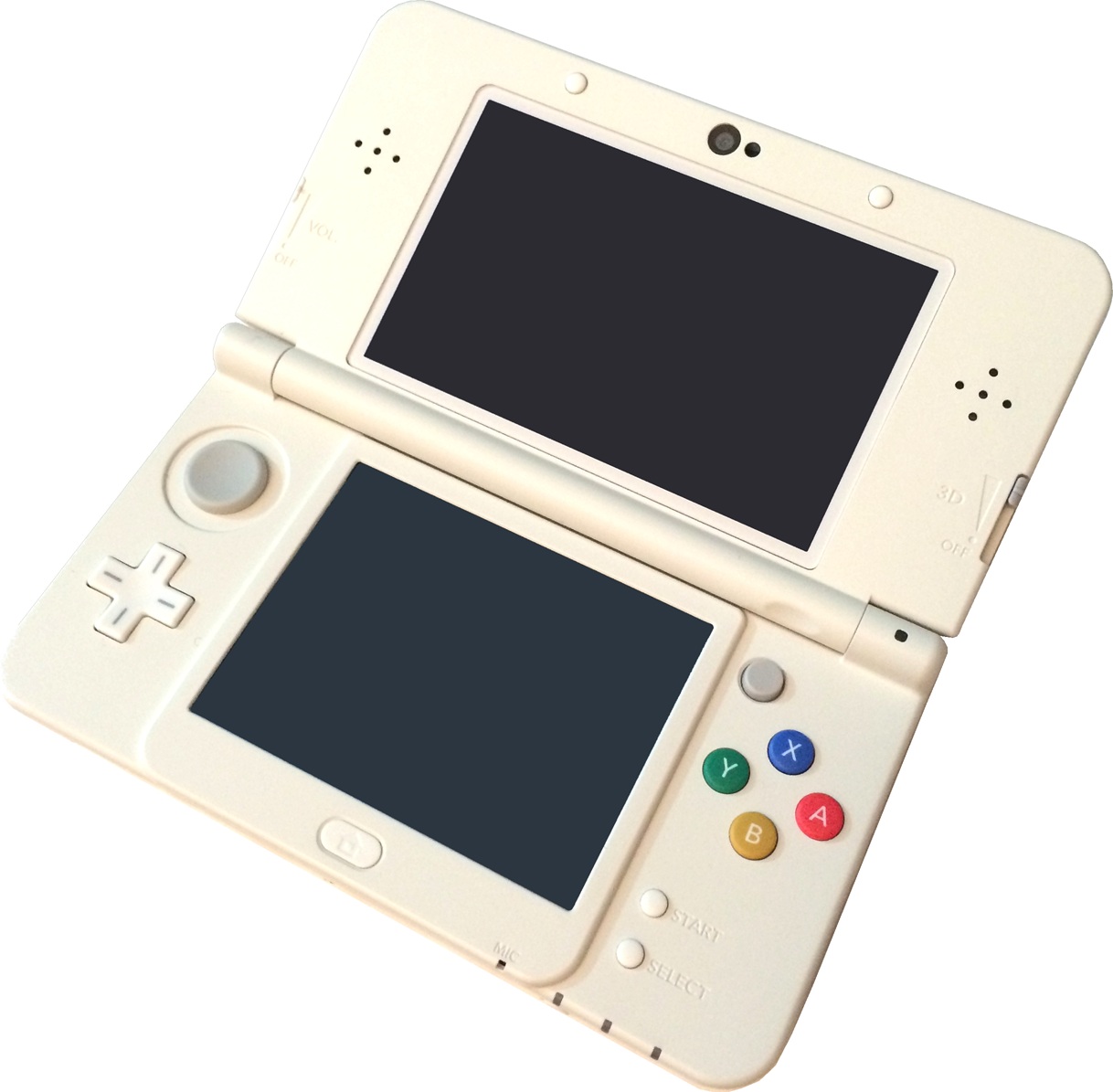
The Nintendo New Nintendo 3DS, a variant of the Nintendo 3DS, was released in Japan on October 25, 2014, in Australia on November 21, 2014, in Europe on January 6, 2015, in North America on February 13, 2015, and in South Korea on May 1, 2015 [158]–[164]. It was discontinued globally on July 13, 2017. [135]
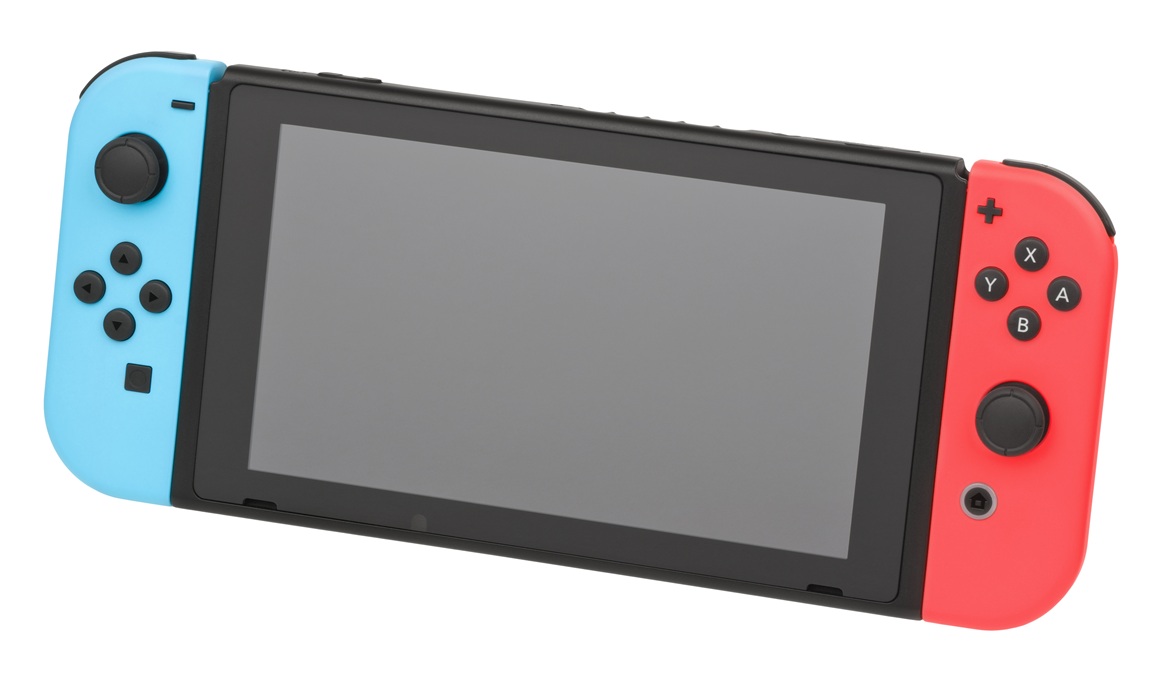
The Nintendo Switch was released globally on March 3, 2017 [165].
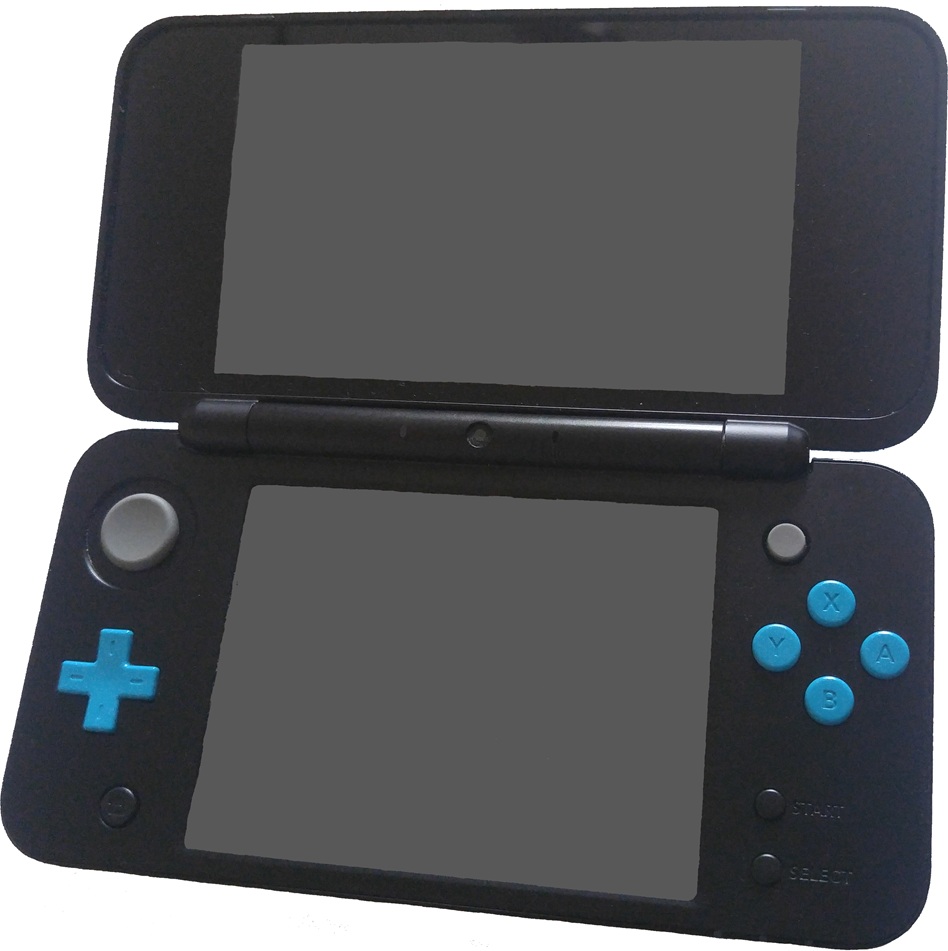
The Nintendo New Nintendo 2DS XL (New Nintendo 2DS LL), a variant of the Nintendo 2DS, was released in Australia on June 15, 2017, in New Zealand on June 15, 2017, in Japan on July 13, 2017, in North America on July 28, 2017, and in Europe on July 28, 2017 [166], [167]. It was discontinued globally on September 16, 2020. [137]
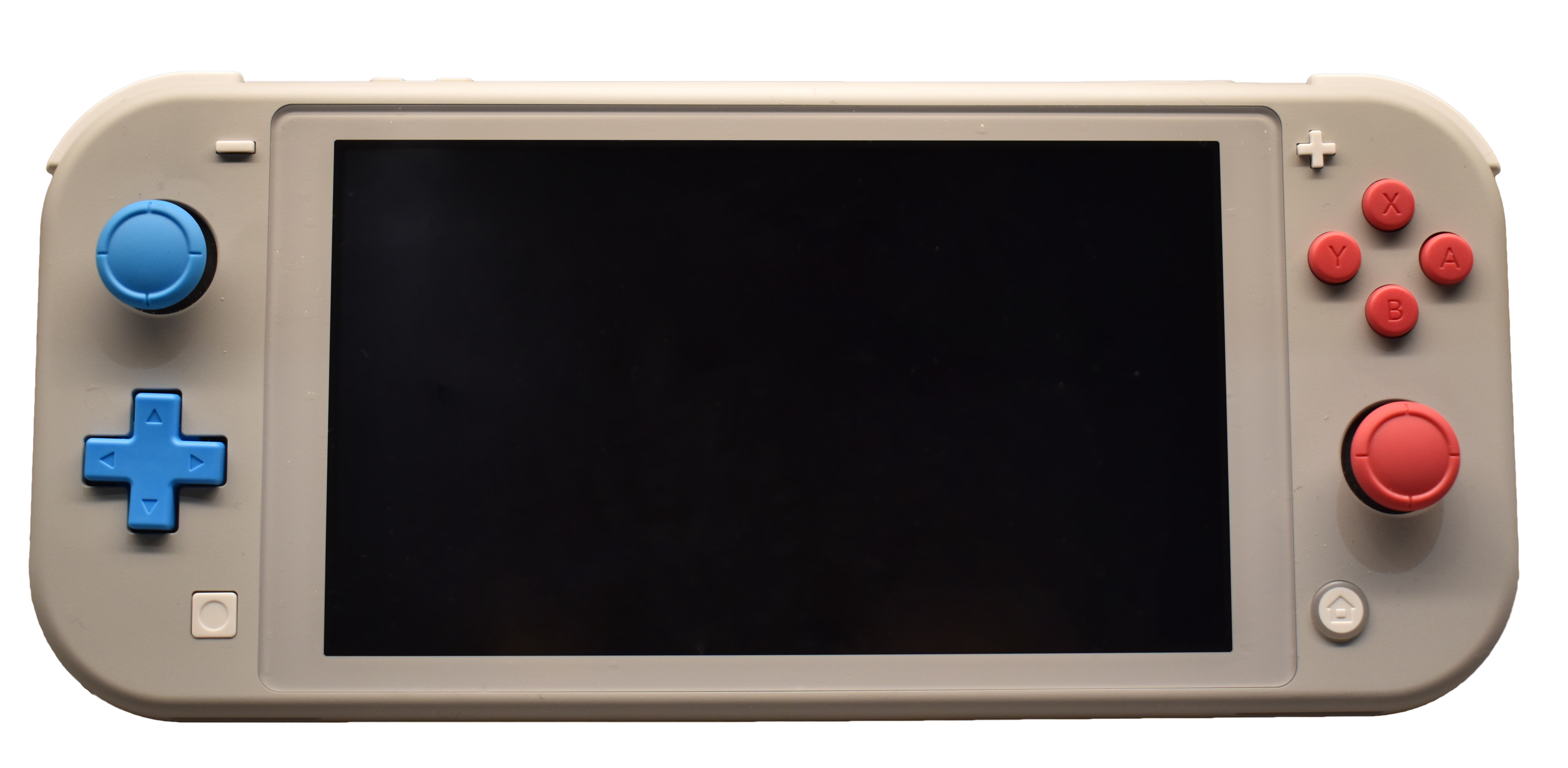
The Nintendo Switch Lite, a variant of the Nintendo Switch, was released globally on September 20, 2019 [168].
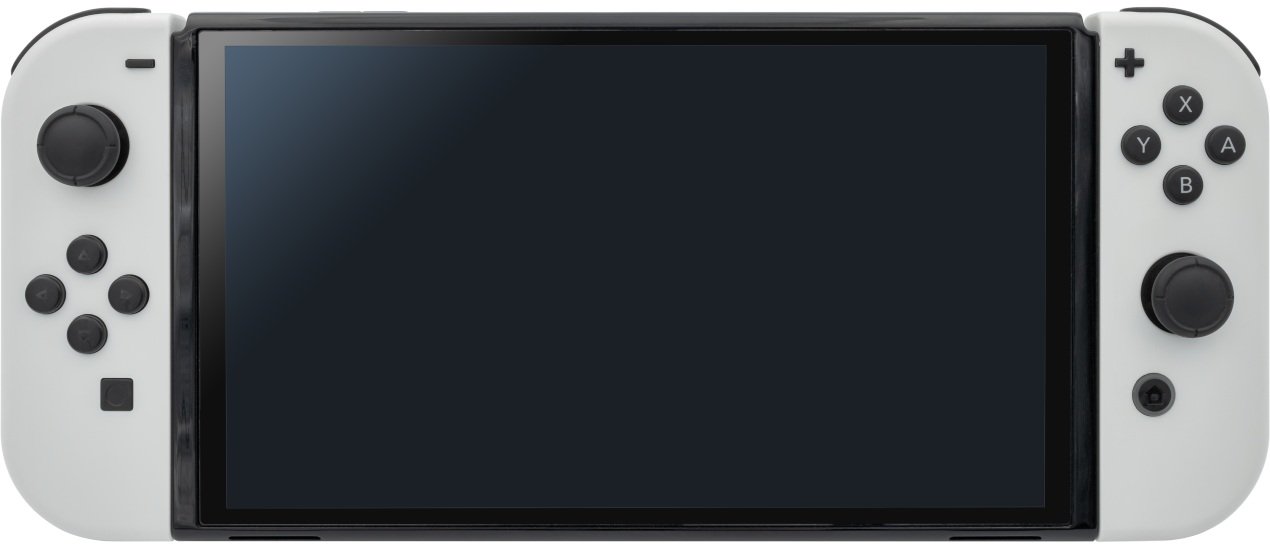
The Nintendo Switch OLED, a variant of the Nintendo Switch, was released globally on October 10, 2021 [169].
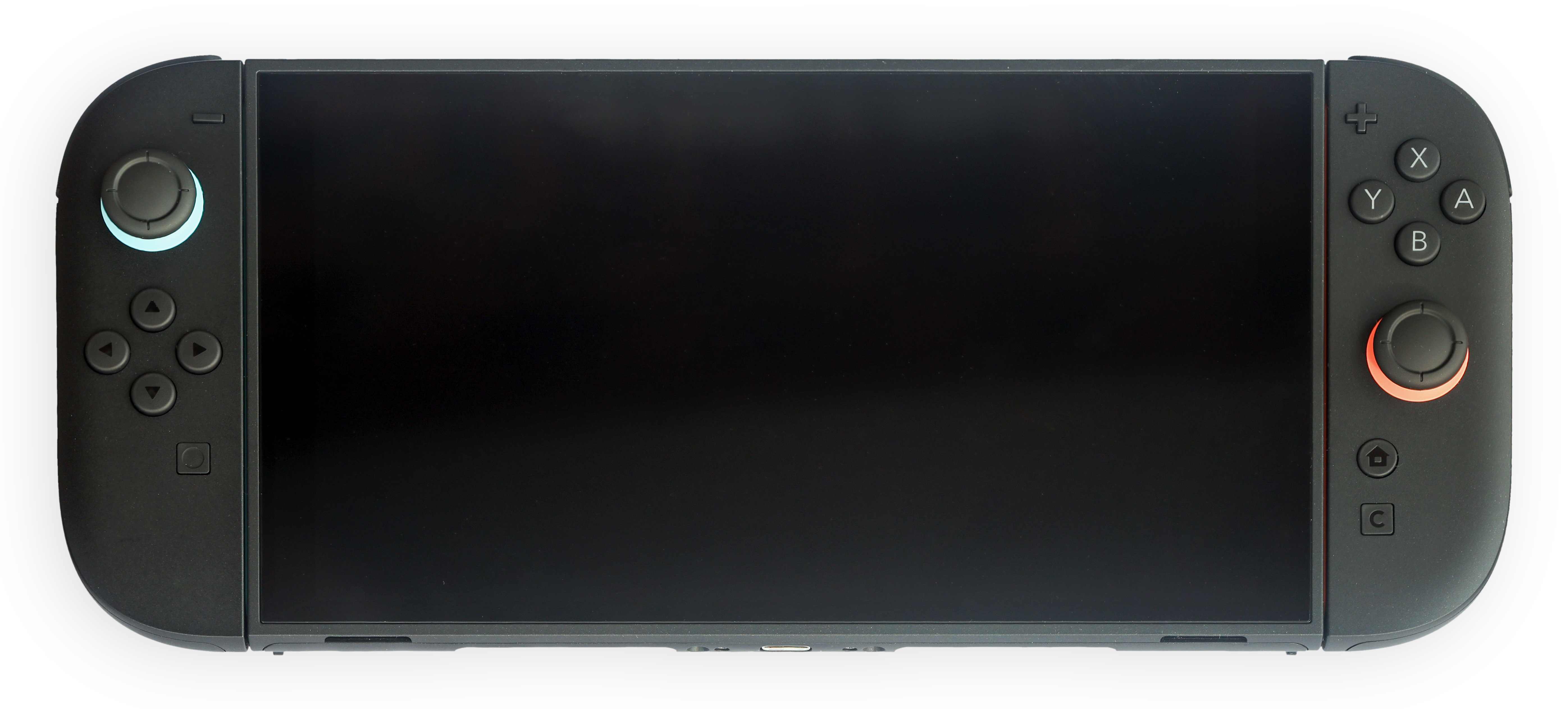
The Nintendo Switch 2 was released globally on June 5, 2025, in the Philippines on June 26, 2025, in Singapore on June 26, 2025, in Thailand on June 26, 2025, in Malaysia on July 3, 2025, in Taiwan on July 10, 2025, in the UAE on September 17, 2025, and in Argentina on October 10, 2025 [170]–[178].
Sega (株式会社セガ) is a company founded in Tokyo, Japan [179] by Martin Bromley, Richard Stewart, and David Rosen [179] on June 3, 1960 [179].

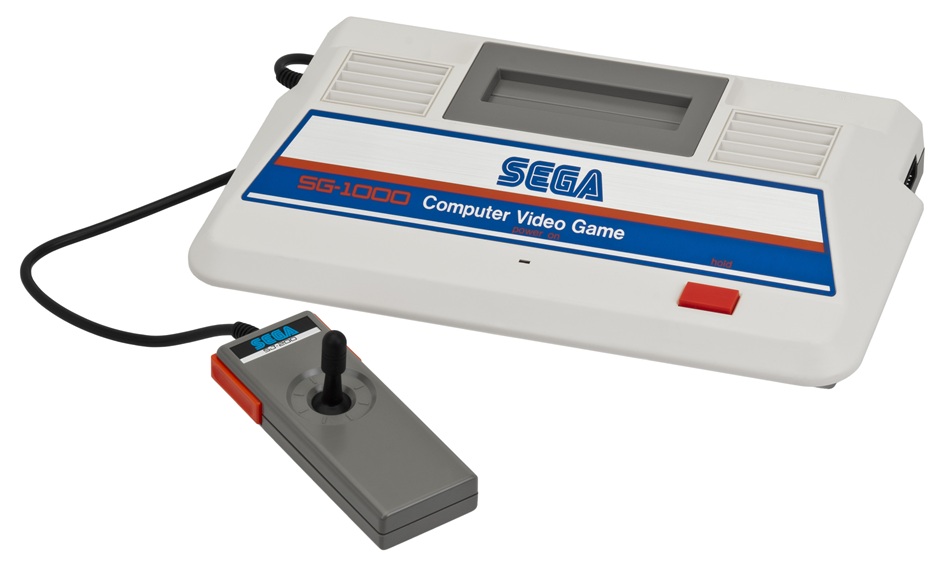
The Sega SG-1000 was released in Japan on July 15, 1983 [180]. It was discontinued in Japan in July 1984.
The Sega SC-3000, a variant of the Sega SG-1000, was released in Japan on July 15, 1983 and in Australia in November 1983 [181], [182].
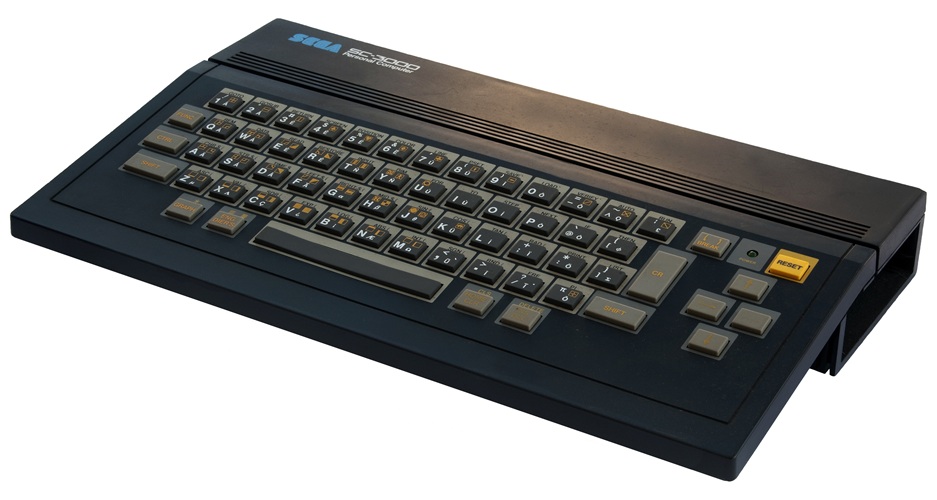
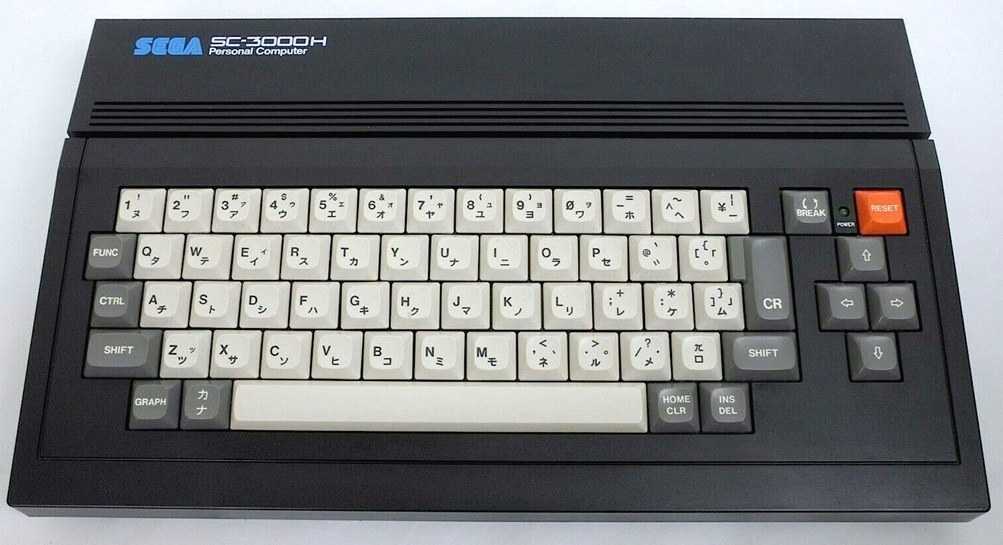
The Sega SC-3000H, a variant of the Sega SC-3000, was released in Japan on July 15, 1983 and in Australia in 1994 [183].
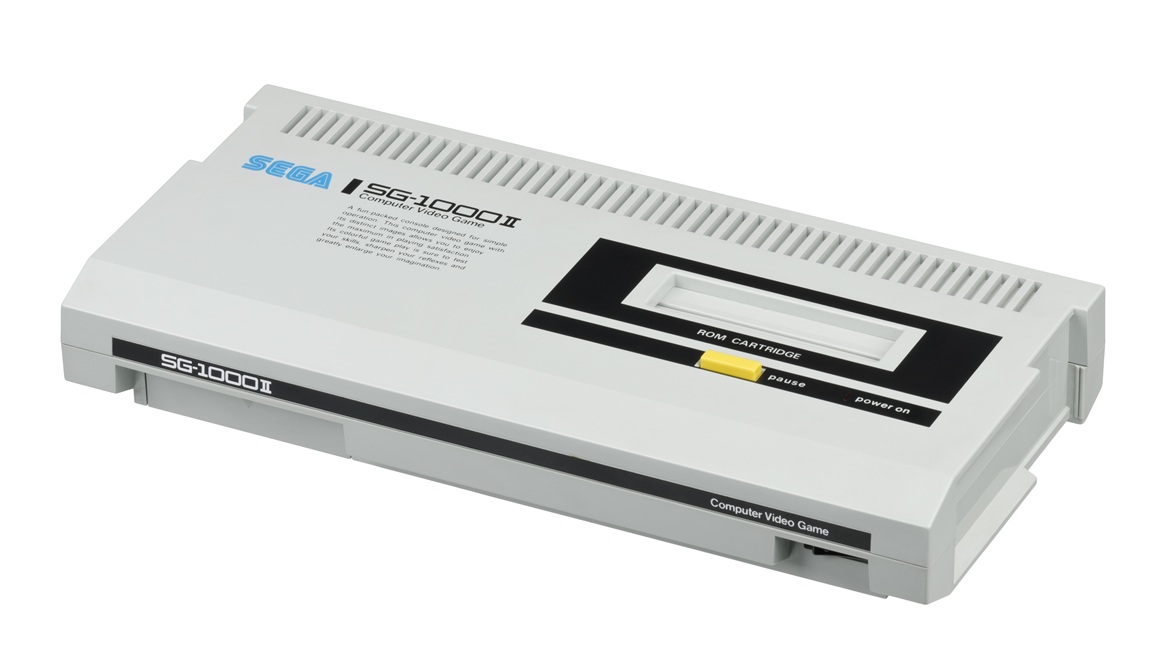
The Sega SG-1000 II, a variant of the Sega SG-1000, was released in Japan on July 31, 1984 and in Taiwan in 1986 [182].
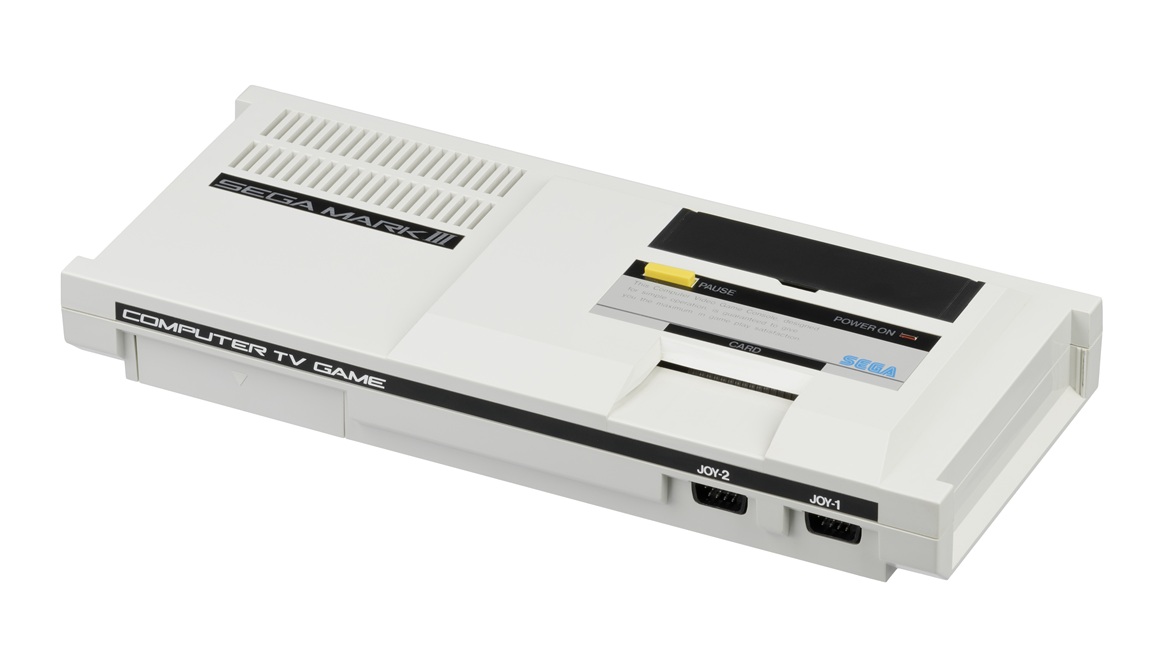
The Sega Mark III, a variant of the Sega SG-1000, was released in Japan on October 20, 1985 [184].
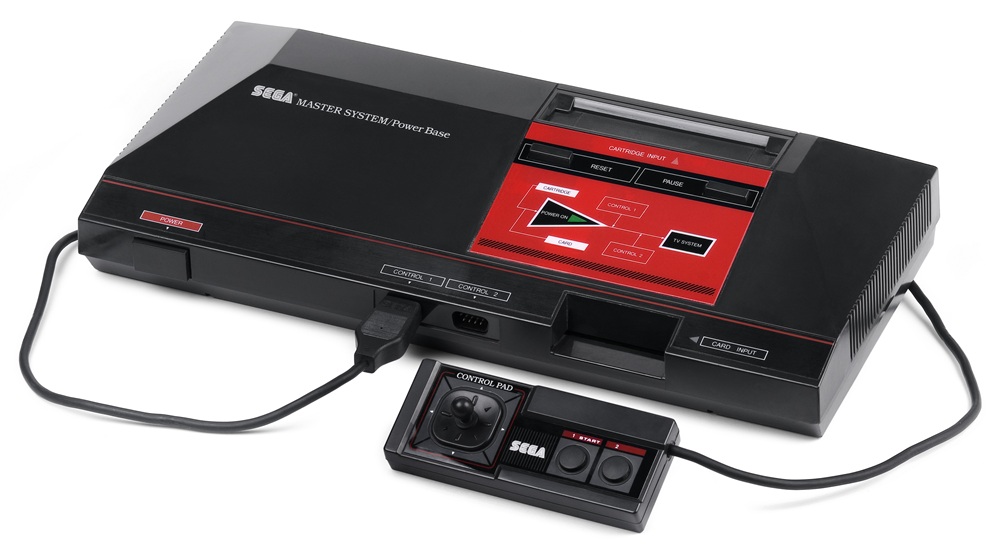
The Sega Master System (SMS), a variant of the Sega Mark III, was released in North America in September 1986, in Europe in August 1987, in Japan on October 18, 1987, and in Brazil in September 1989 [12], [185]–[187]. It was discontinued in Japan in 1991, in North America in 1992, in South Korea in 1994, and in Europe in 1996.
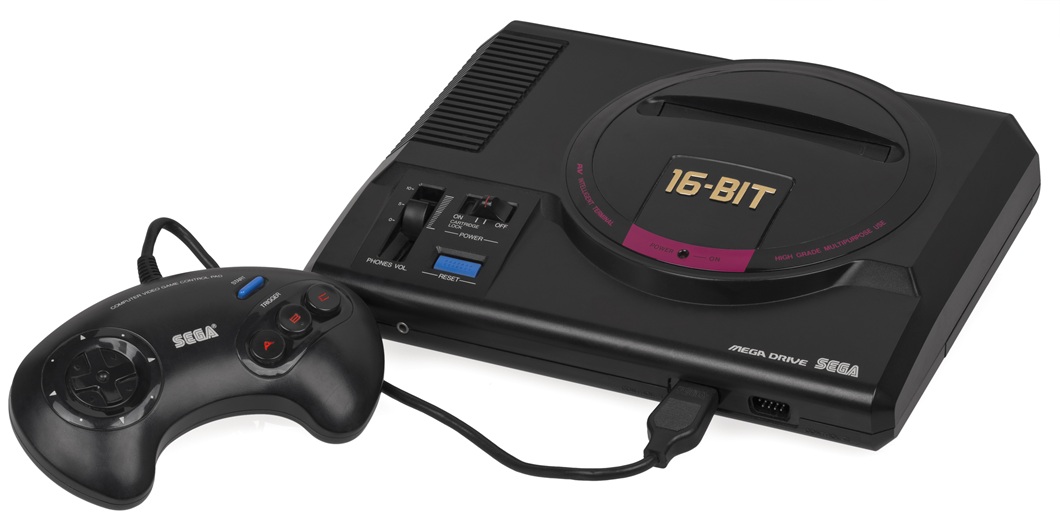
The Sega Mega Drive was released in Japan on October 29, 1988, in Europe in September 1990, in Brazil on September 1, 1990, and in India in April 1994 [188]–[191]. It was discontinued globally in 1997.
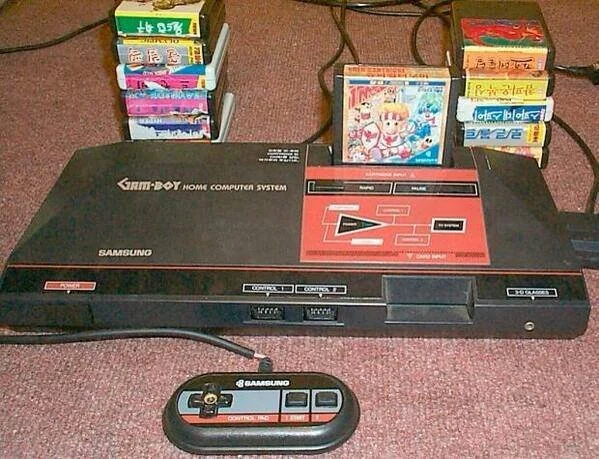
The Sega Samsung Gam*Boy, a variant of the Sega Master System (SMS), was released in South Korea in April 1989 [73].
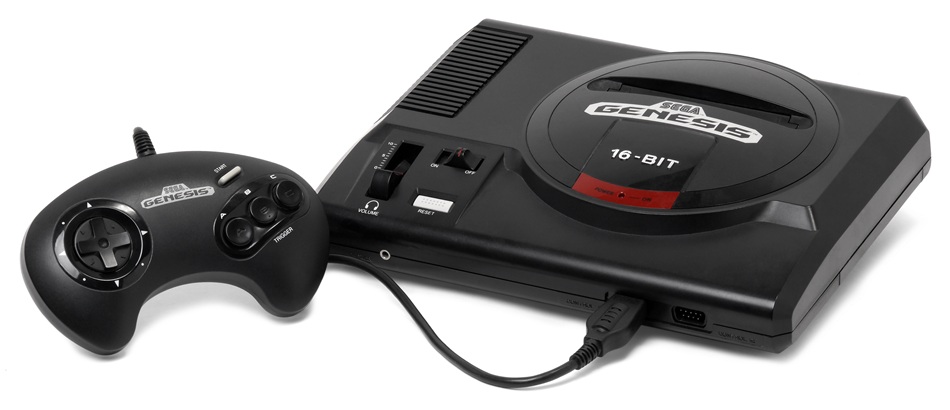
The Sega Genesis, a variant of the Sega Mega Drive, was released in North America in August 1989 [192]. It was discontinued globally in 1997.
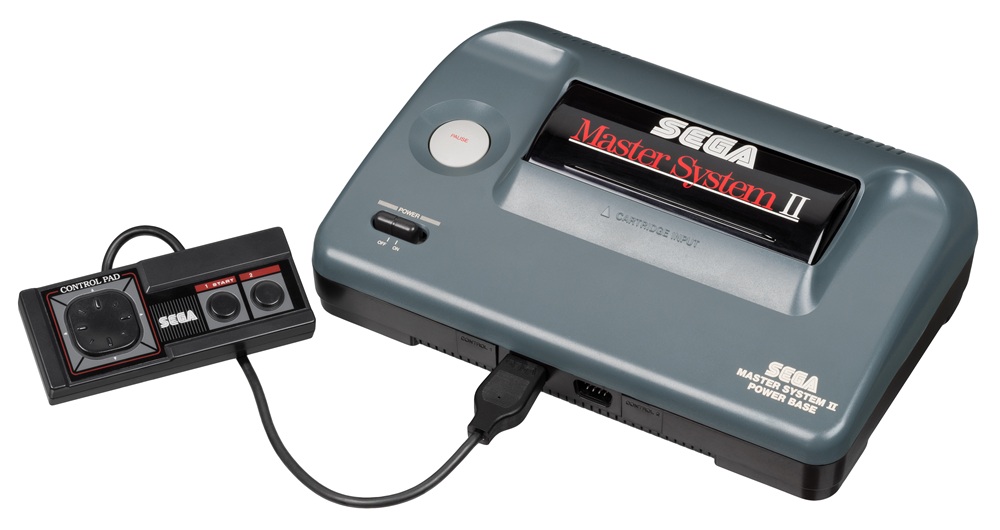
The Sega Master System (SMS) II, a variant of the Sega Master System (SMS), was released in North America in 1990.
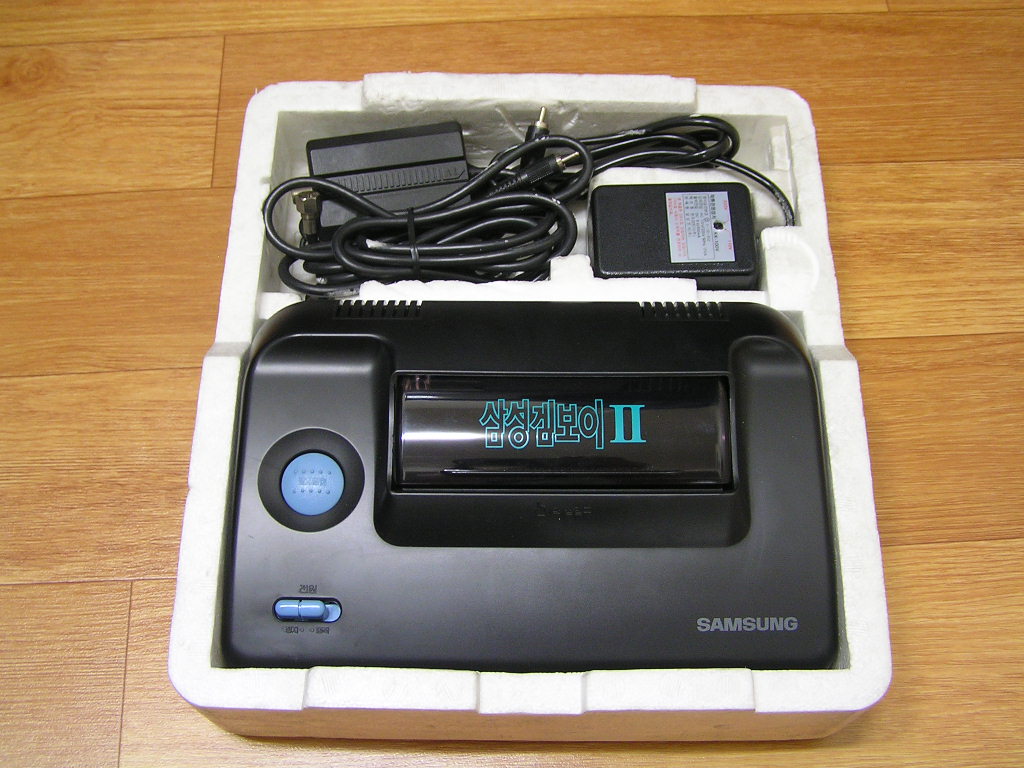
The Sega Samsung Gam*Boy II, a variant of the Sega Master System (SMS) II, was released in South Korea in August 1990.
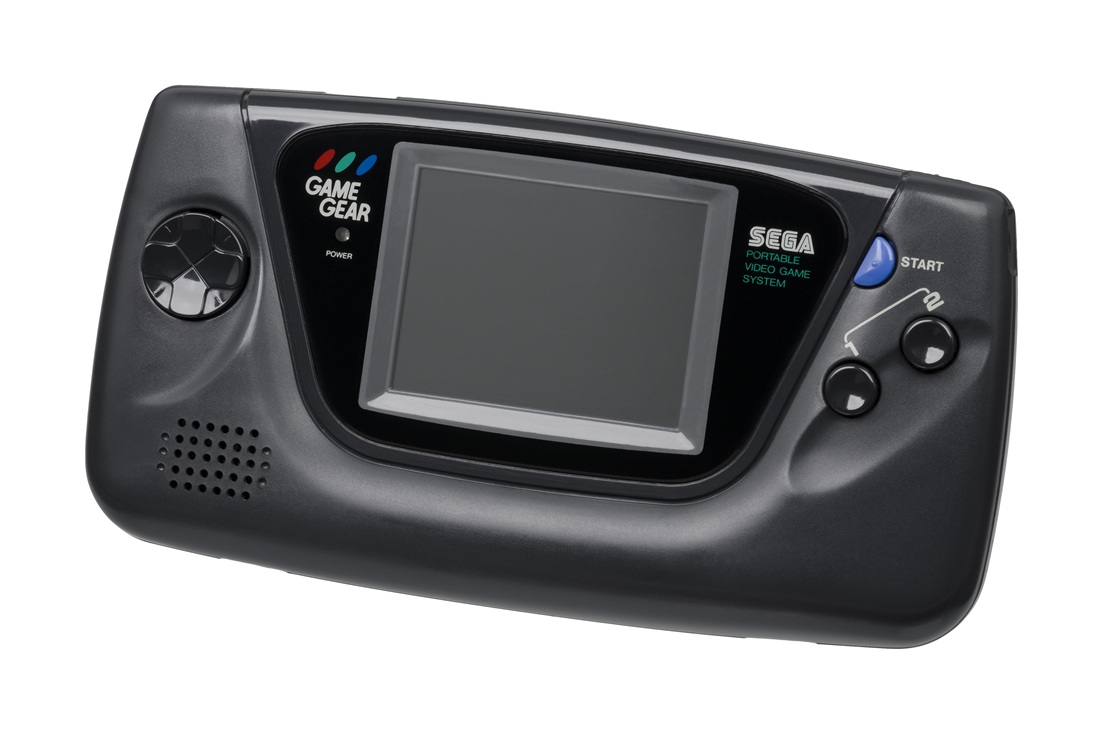
The Sega Game Gear was released in Japan on October 6, 1990, in North America in April 1991, in Europe in April 1991, and in Australia in 1992 [7]. It was discontinued globally on April 30, 1997.
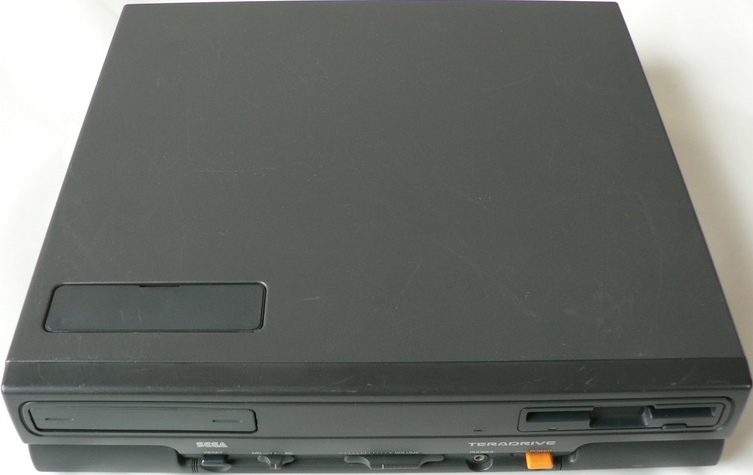
The Sega TeraDrive, a variant of the Sega Mega Drive, was released in Japan on May 31, 1991 [193].
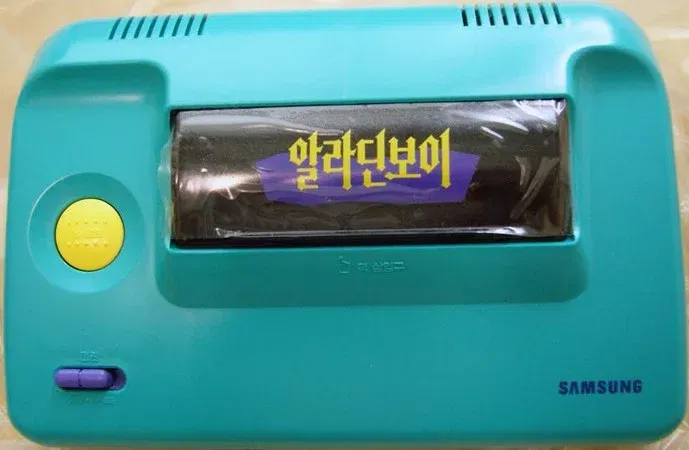
The Sega Samsung Aladdin Boy, a variant of the Sega Master System (SMS) II, was released in South Korea in 1992 [73].
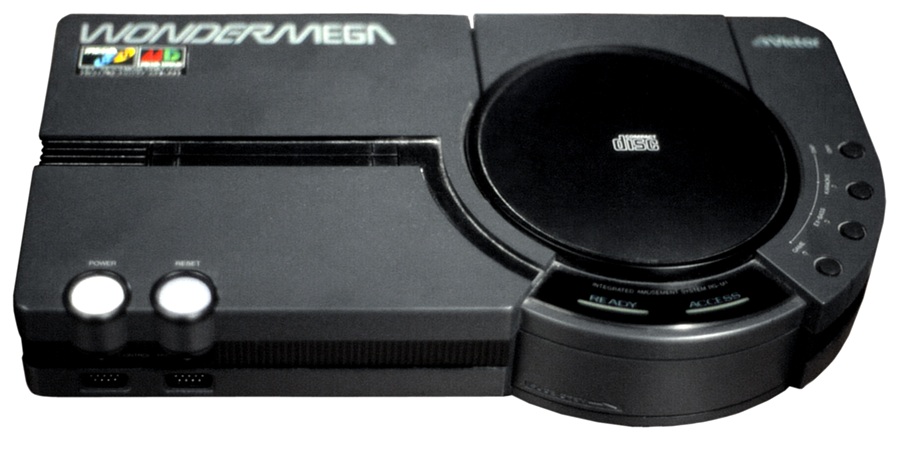
The Sega Wondermega, a variant of the Sega Mega Drive, was released in Japan on April 1, 1992.
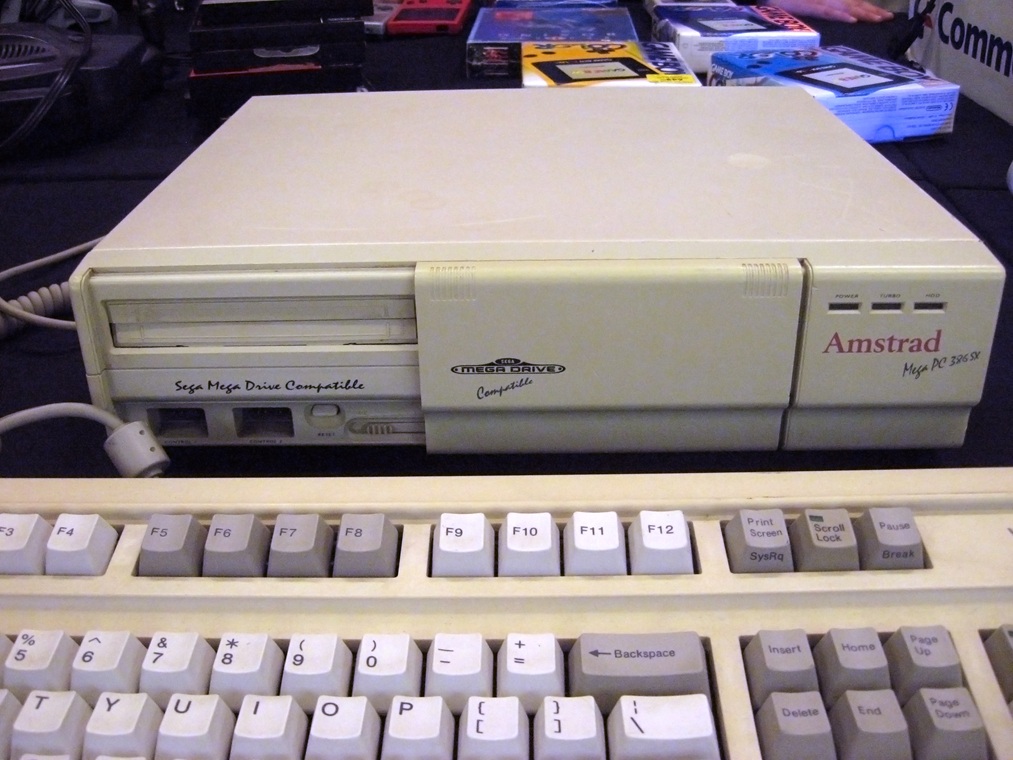
The Sega Amstrad Mega PC, a variant of the Sega Mega Drive, was released in Europe in 1993 and in Australia in 1993.
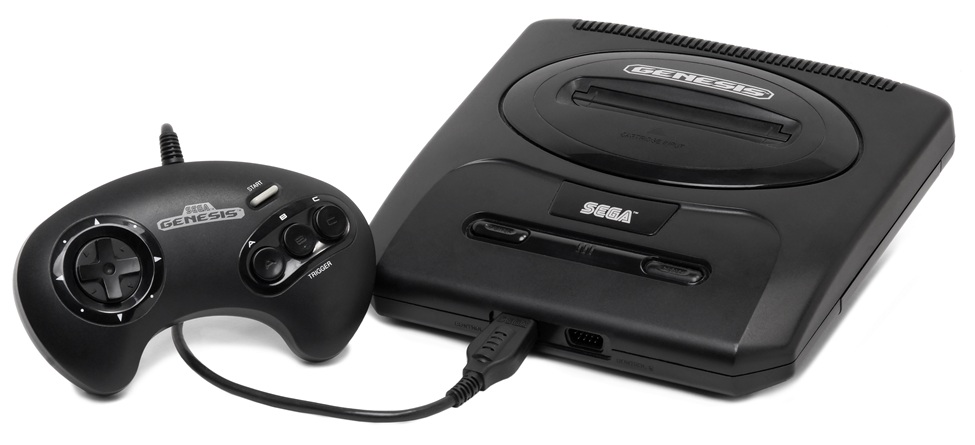
The Sega Genesis 2, a variant of the Sega Genesis, was released in North America in 1993.
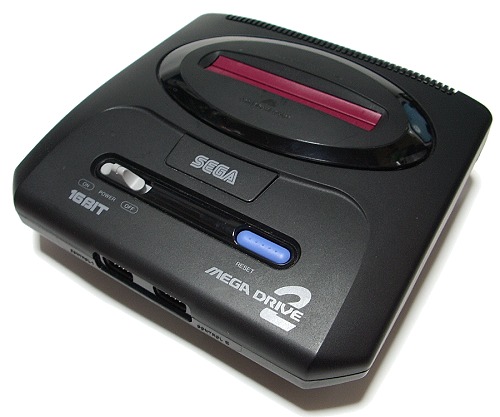
The Sega Mega Drive 2, a variant of the Sega Mega Drive, was released in Japan in 1993, in Europe in 1993, and in Australia in 1993.
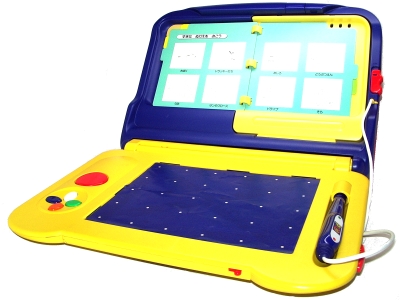
The Sega Pico (キッズコンピューター・ピコ) was released in Japan in June 1993, in North America in November 1994, in Europe in 1994, and in South Korea in 1995. It was discontinued in Europe in 1998, in North America in February 1998, in South Korea in 2002, and in Japan in 2005.
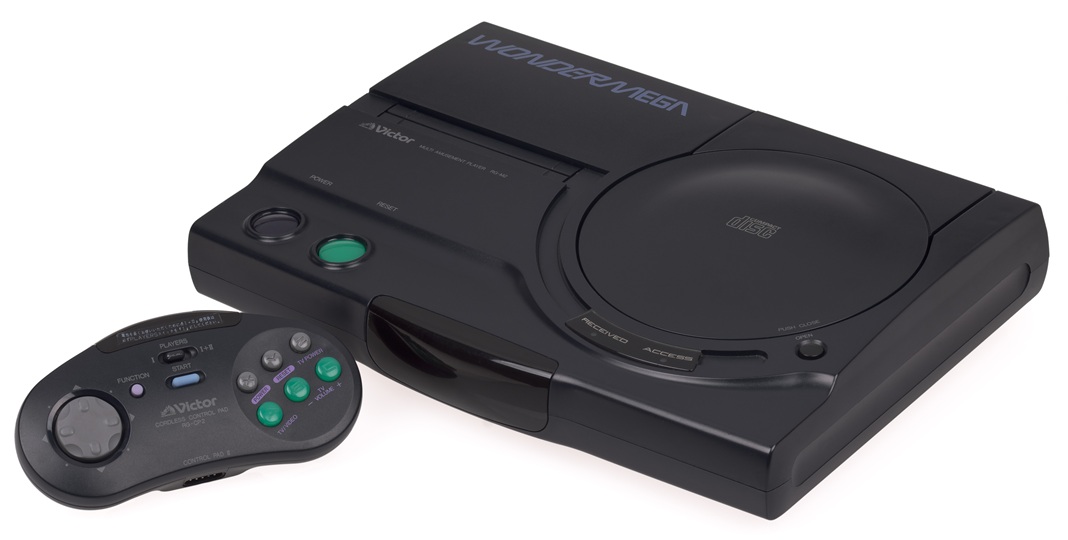
The Sega Wondermega 2, a variant of the Sega Wondermega, was released in Japan on July 2, 1993 [194].
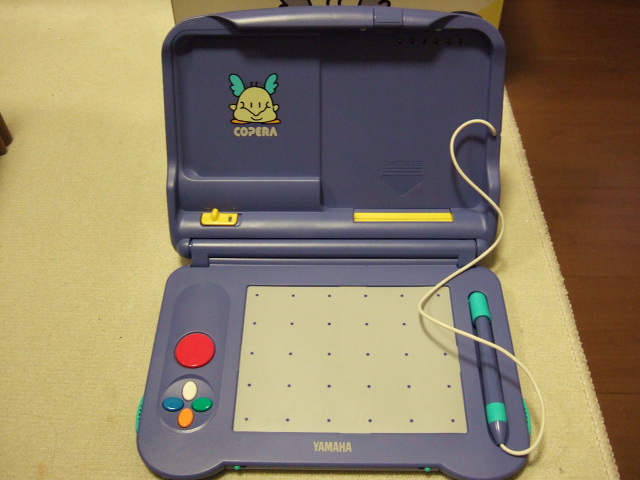
The Sega Yamaha Copera (ミクスト ブック プレーヤ コペラ), a variant of the Sega Pico, was released in Japan on December 1, 1993.
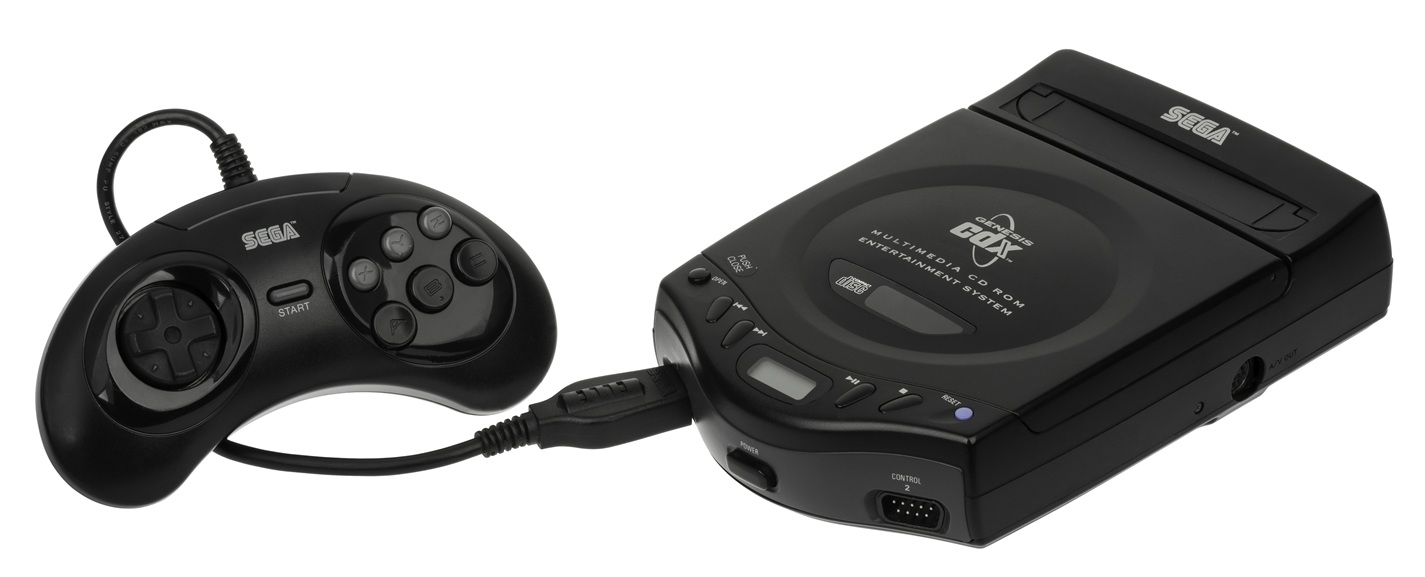
The Sega Genesis CDX, a variant of the Sega Genesis, was released in North America in April 1994.
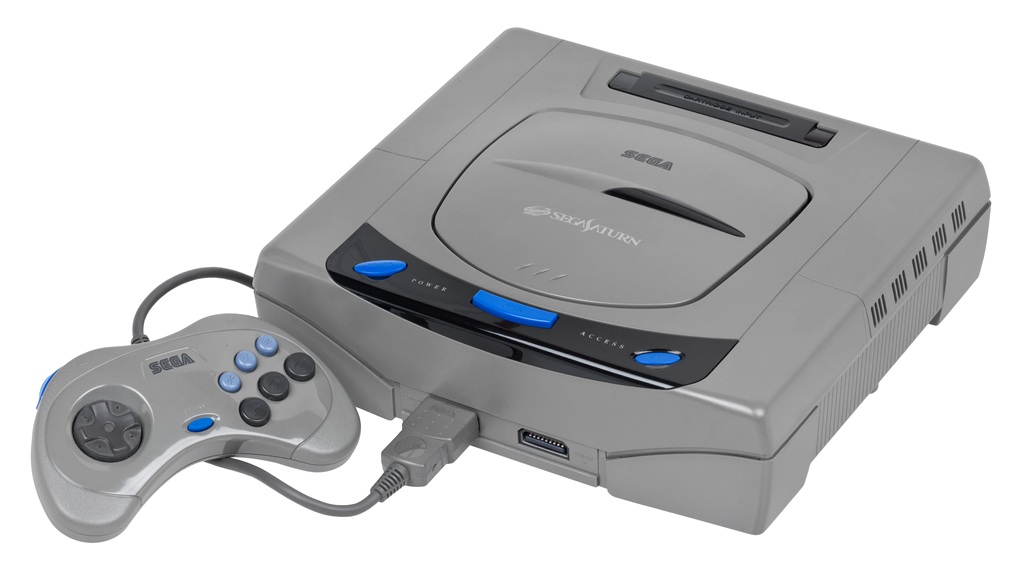
The Sega Saturn was released in Japan on November 22, 1994, in North America on May 11, 1995, and in Europe on July 8, 1995 [195]. It was discontinued in Europe in 1998, in North America in March 1998, and in Japan in 2000. [196]
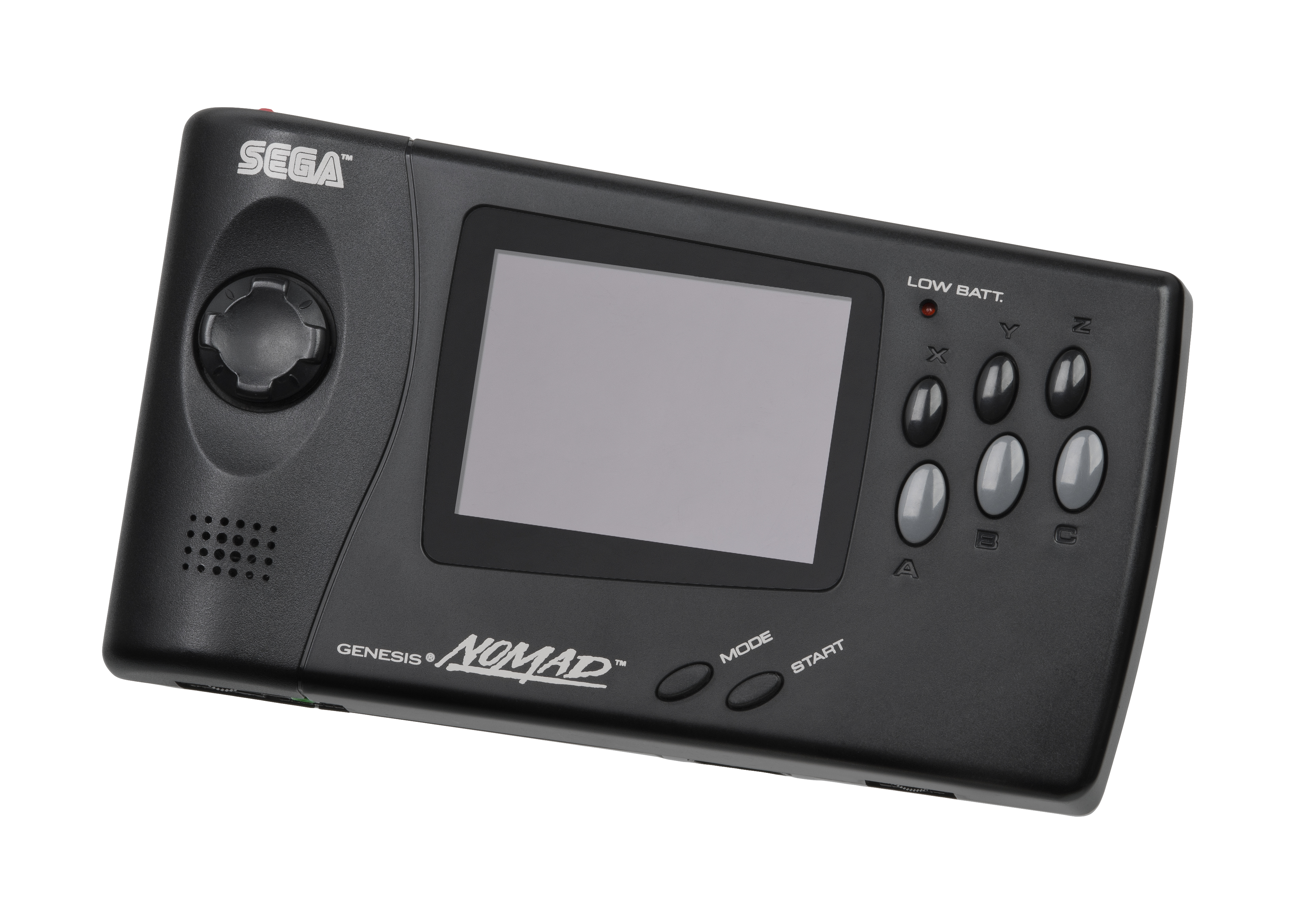
The Sega Genesis Nomad, a variant of the Sega Genesis, was released in North America in October 1995 [197], [198]. It was discontinued in North America in 1999. [197]
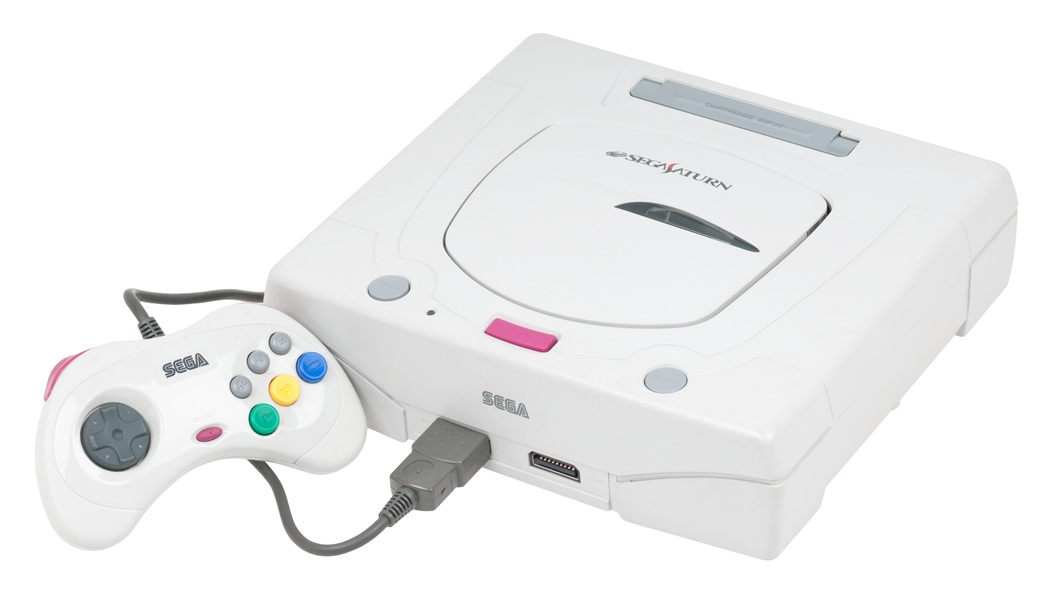
The Sega Saturn Model 2, a variant of the Sega Saturn, was released in Japan in 1996 and in North America in 1996.
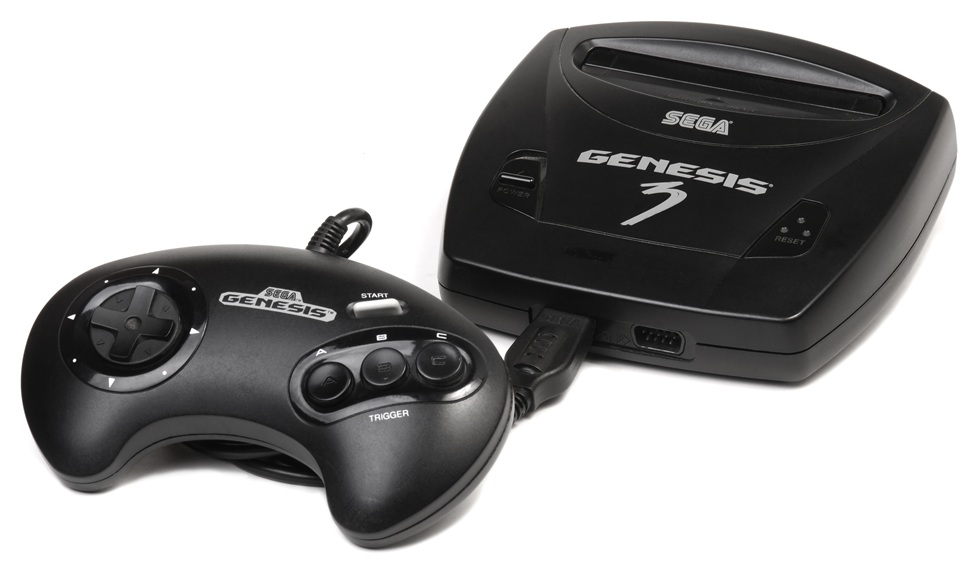
The Sega Genesis 3, a variant of the Sega Genesis 3, was released in North America in 1998 [199]. It was discontinued in North America in 1999.
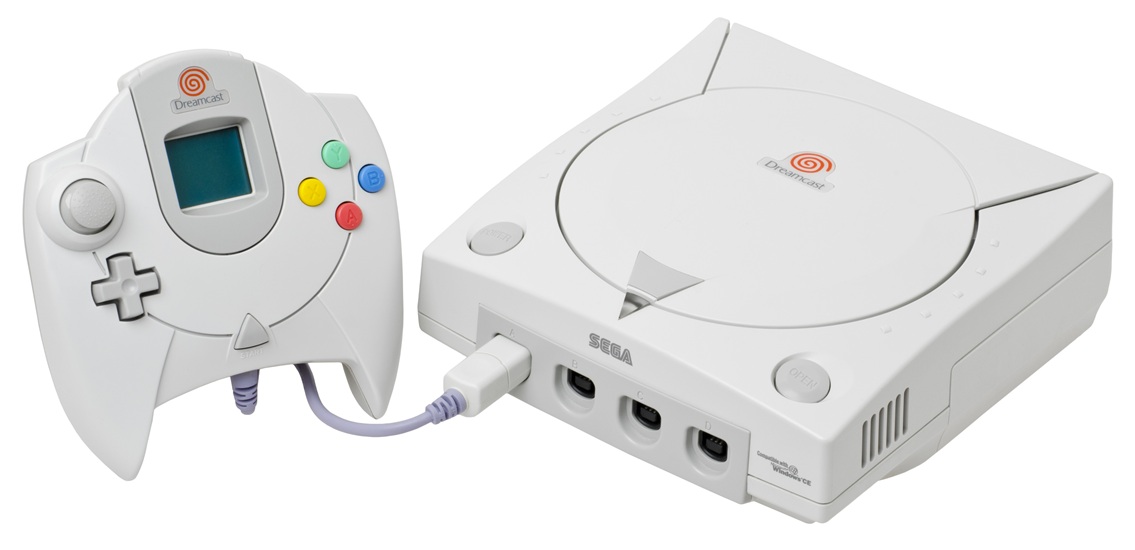
The Sega Dreamcast was released in Japan on November 27, 1998, in North America on September 9, 1999, in Europe on October 14, 1999, and in Australia on November 30, 1999 [200], [201]. It was discontinued globally on March 31, 2001. [202]
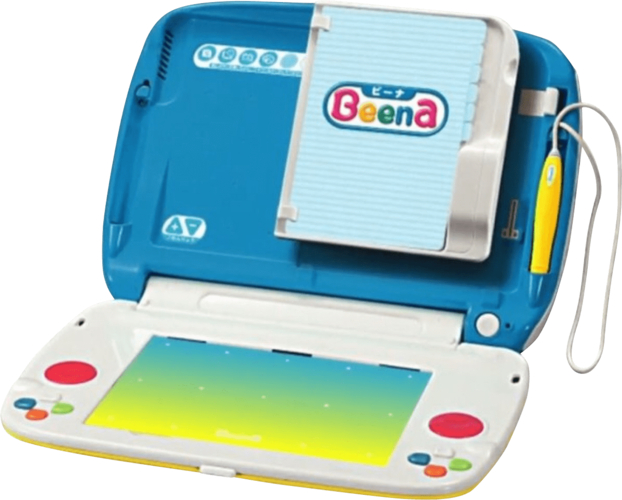
The Sega Advanced Pico Beena was released in Japan on August 6, 2005 [203]. It was discontinued in Japan in 2011.
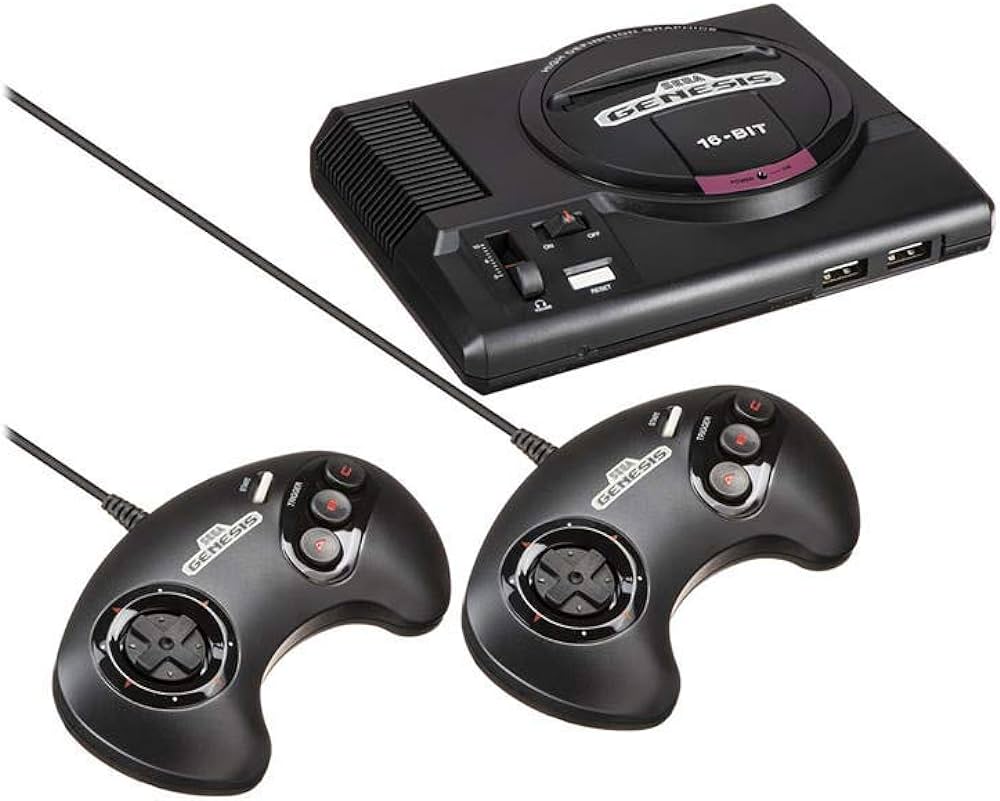
The Sega Genesis Mini, a variant of the Sega Mega Drive Mini, was released in North America on September 19, 2019 [204].
The Sega Mega Drive Mini, a variant of the Sega Mega Drive, was released globally on September 19, 2019, in Europe on October 4, 2019, and in the Middle East on October 4, 2019 [204].
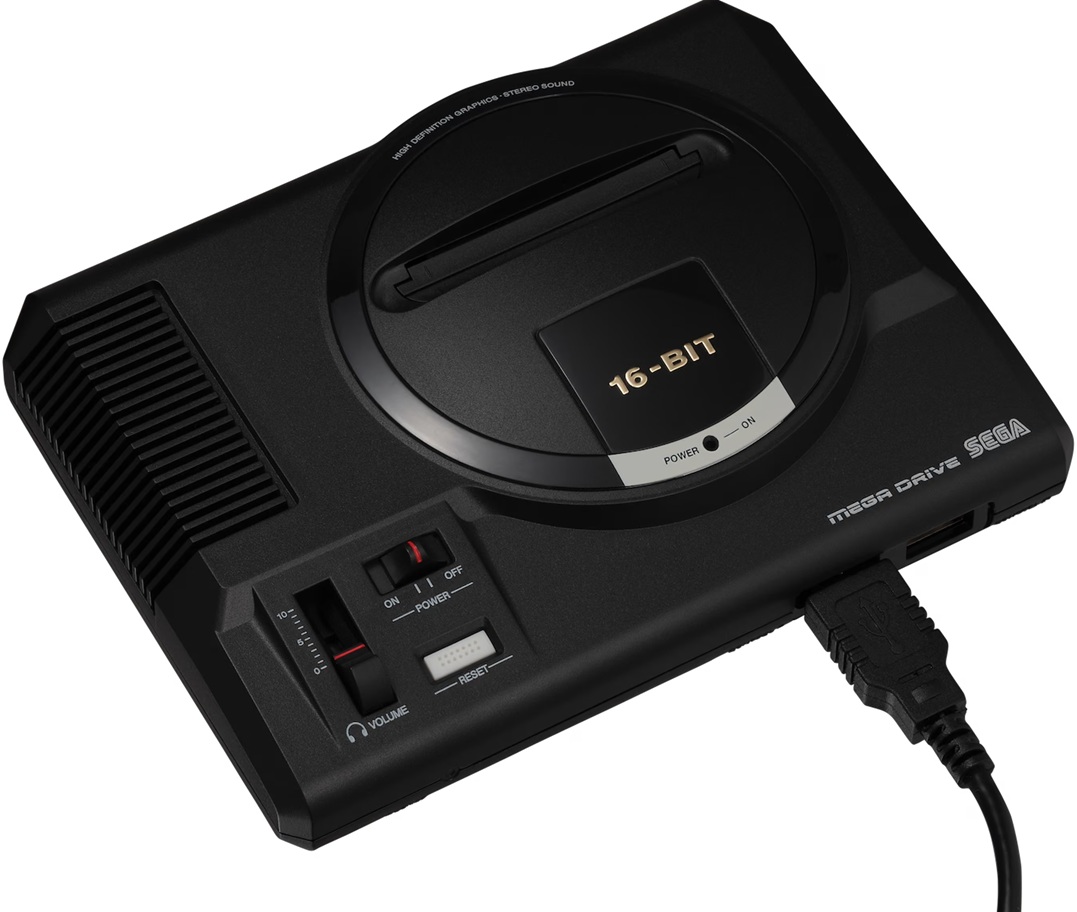
The Sega Genesis Mini 2, a variant of the Sega Mega Drive Mini 2, was released in North America on October 27, 2022 [205].
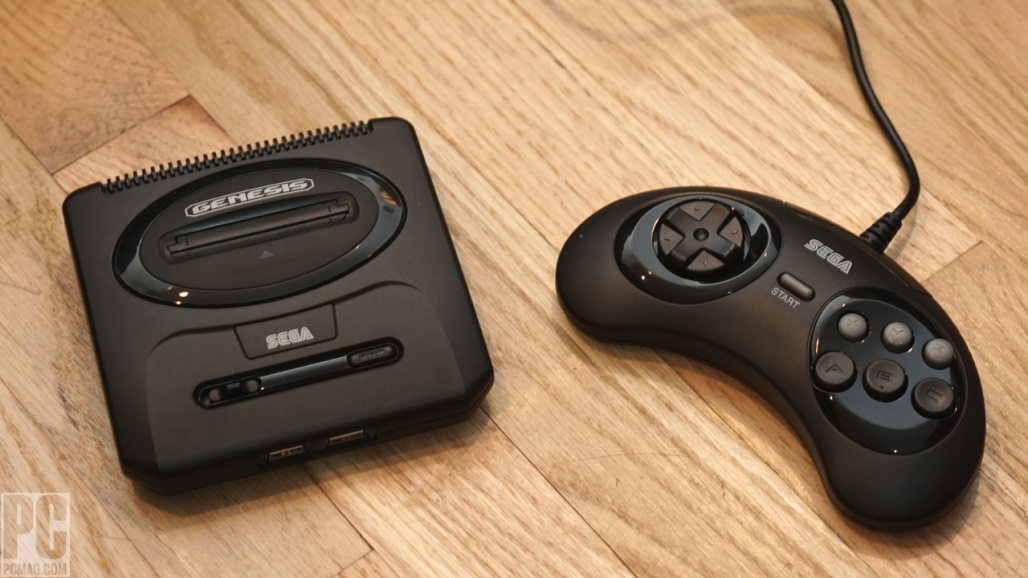
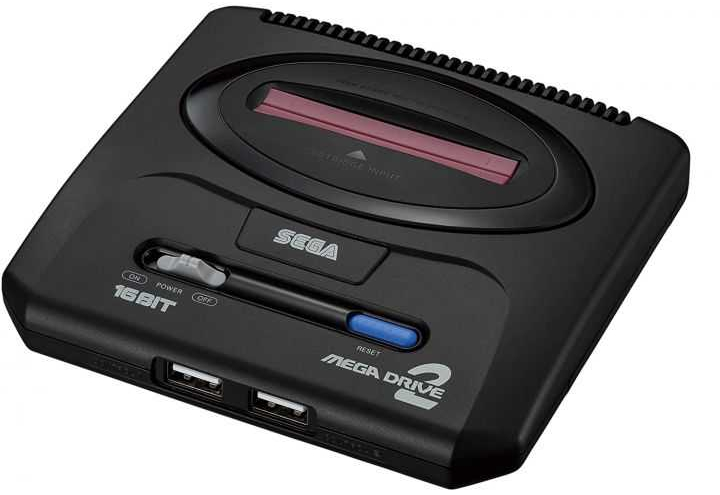
The Sega Mega Drive Mini 2, a variant of the Sega Mega Drive Mini, was released in Japan on October 27, 2022 [206].
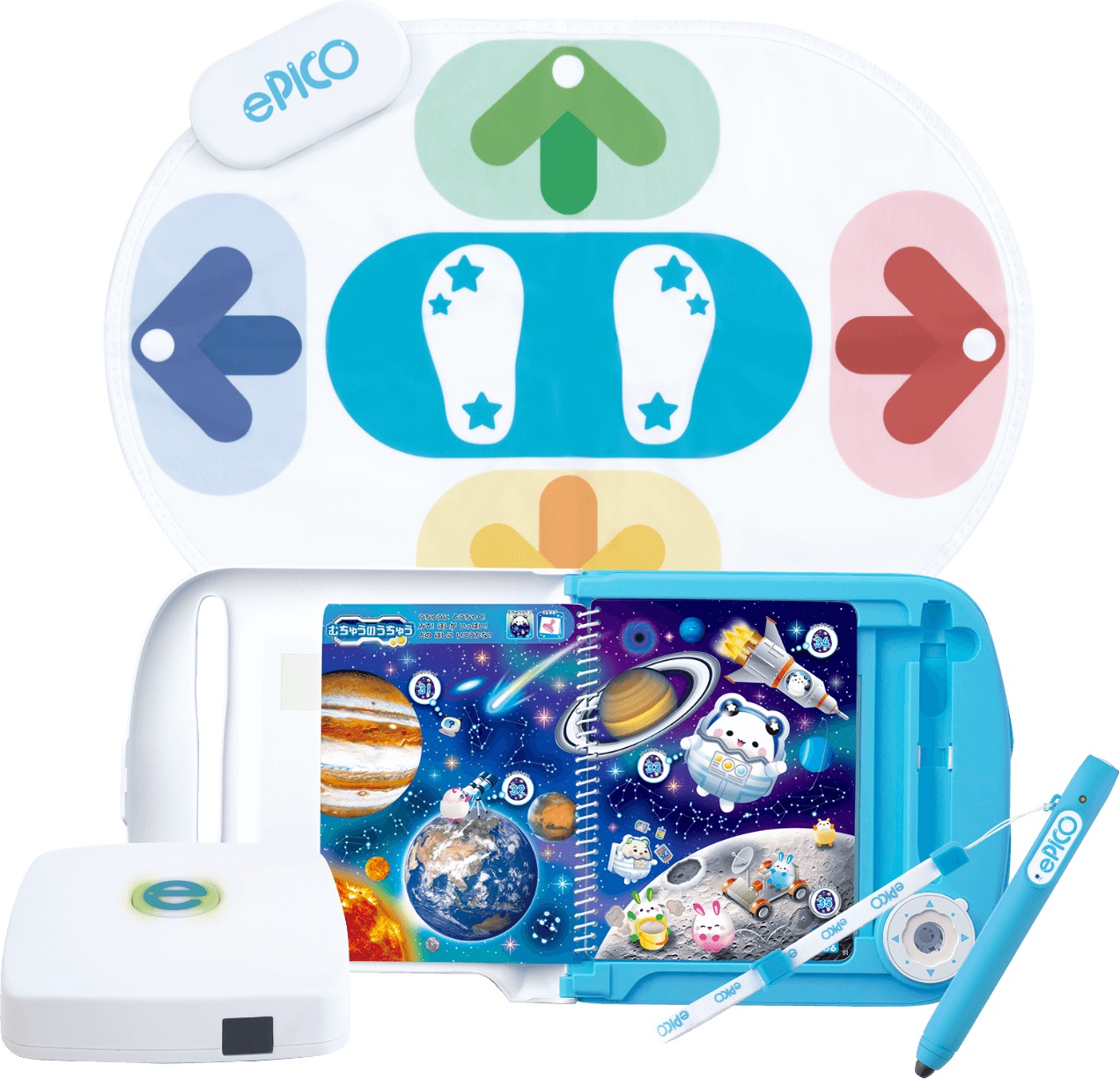
The Sega ePICO was released in Japan on October 10, 2024 [207].
Sony (ソニ) is a company founded in Tokyo, Japan [208] by Masaru Ibuka and Akio Morita [209] on May 7, 1946 [208].

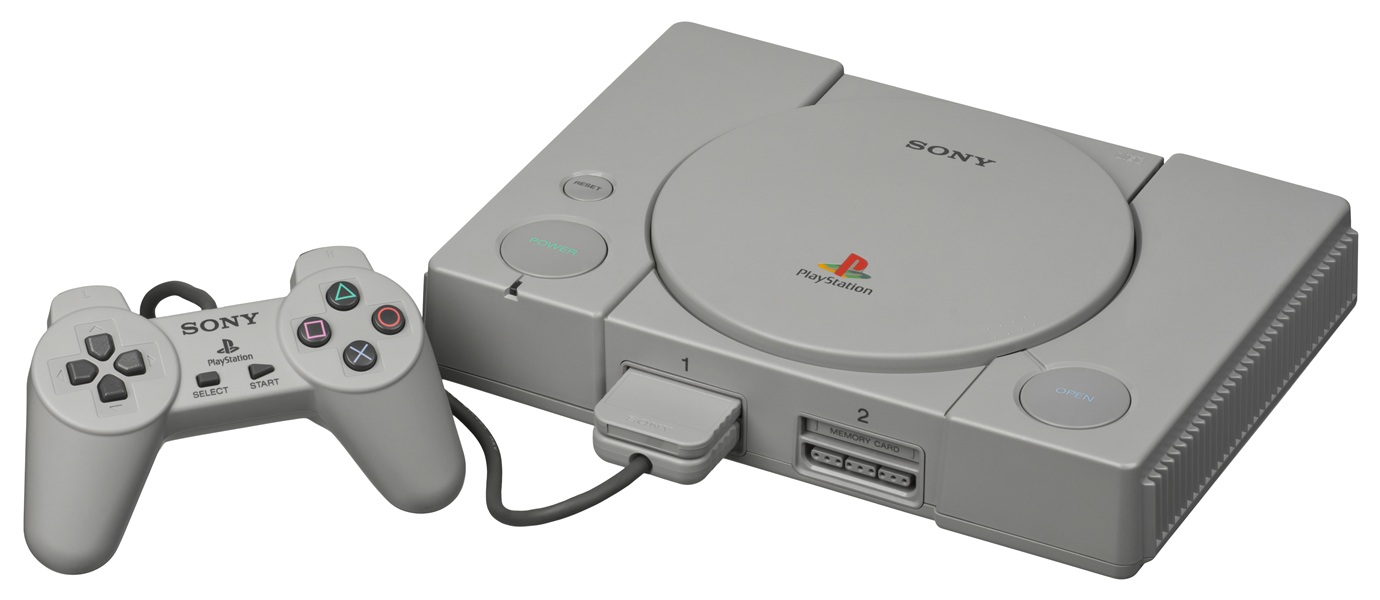
The Sony PlayStation (PSX) was released in Japan on December 3, 1994, in North America on September 9, 1995, in Europe on September 29, 1995, in Australia on November 15, 1995, in South Africa in November 1996, in Hong Kong in December 1996, in Singapore in December 1996, in Thailand in December 1996, in Malaysia in December 1996, and in Taiwan in December 1997 [210]–[216]. It was discontinued globally on March 23, 2006. [217], [218]
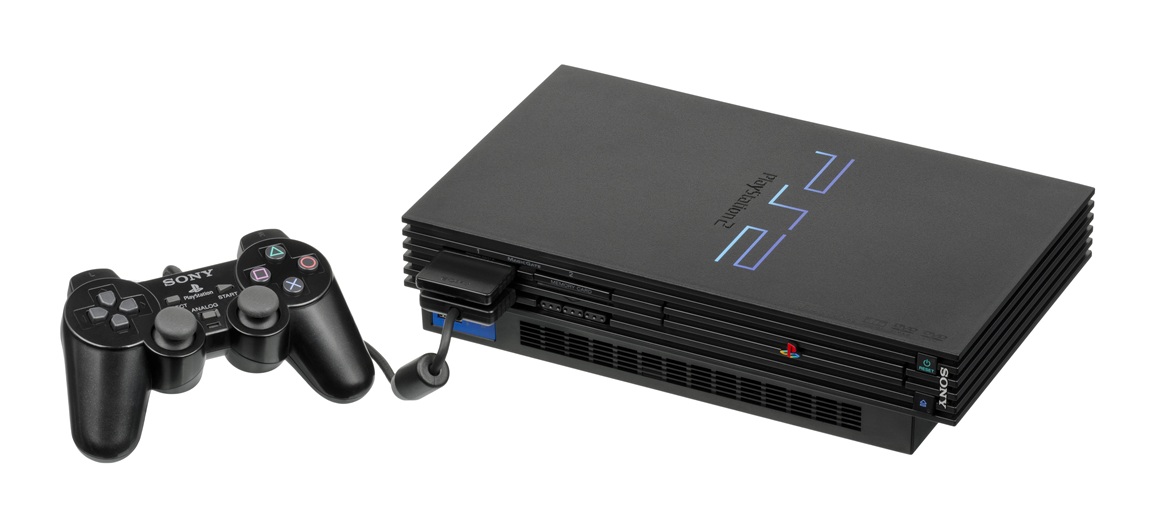
The Sony PlayStation 2 (PS2) was released in Japan on March 4, 2000, in North America on October 26, 2000, in Europe on November 24, 2000, in Australia on November 30, 2000, in Hong Kong on December 13, 2001, in Taiwan on January 24, 2002, in South Korea on February 22, 2002, in Russia on November 7, 2002, in India on August 13, 2003, and in China on January 1, 2004 [219]–[227]. It was discontinued in Japan on December 28, 2012 and globally on January 4, 2013. [228], [229]
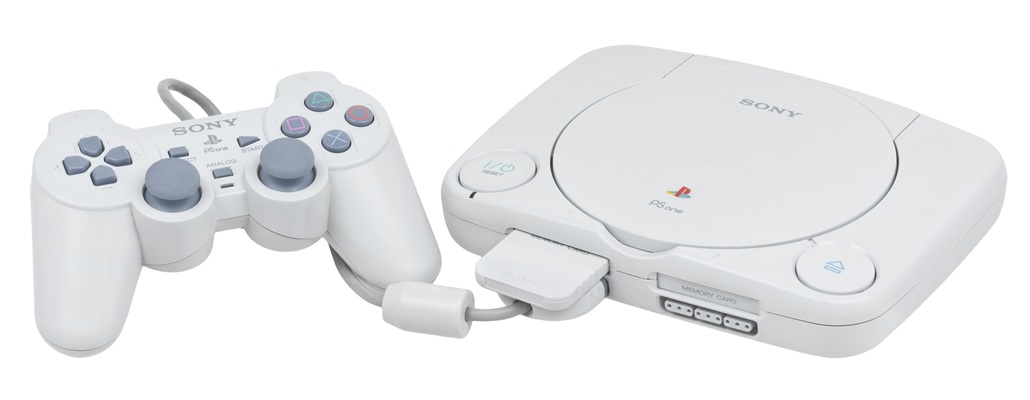
The Sony PS One, a variant of the Sony PlayStation (PSX), was released in Japan on July 7, 2000, in North America on September 19, 2000, in Europe on September 29, 2000, in Asia in November 2000, in India on January 24, 2002, and in South Korea on February 22, 2002 [215], [230]. It was discontinued in Europe on October 19, 2001 and globally on March 23, 2006. [217], [218], [231]
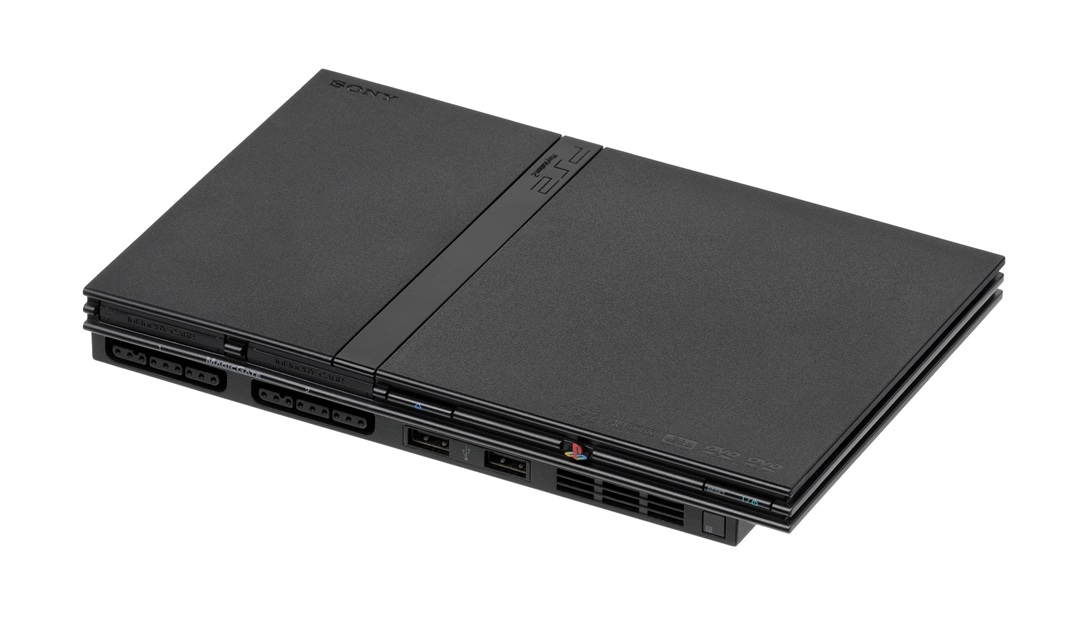
The Sony PlayStation 2 (PS2) Slimline was released in Europe on October 29, 2004, in Japan on November 3, 2004, in North America on November 25, 2004, in Australia on December 2, 2004, in India on September 10, 2008, and in Brazil on October 15, 2009 [232], [233]. It was discontinued in Japan on December 28, 2012 and globally on January 4, 2013. [228], [229]
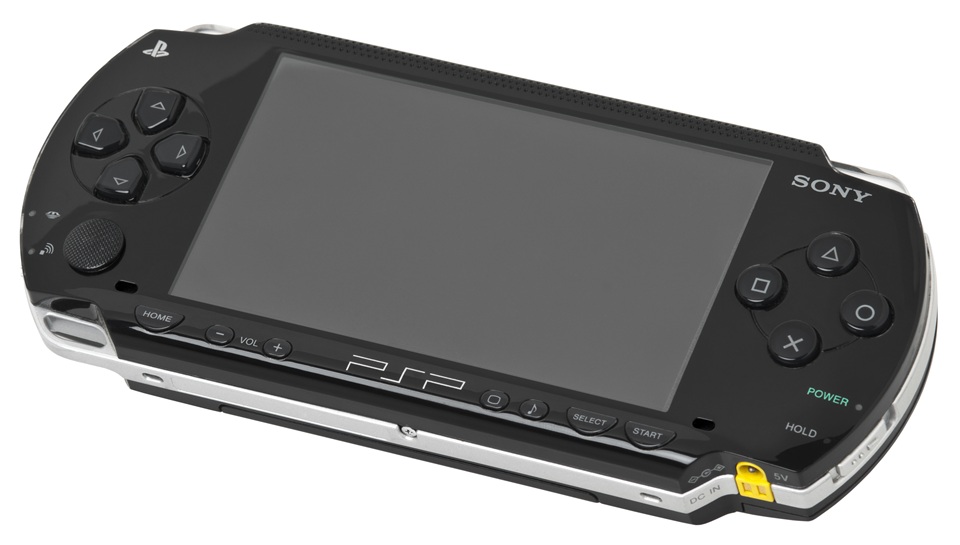
The Sony PlayStation Portable (PSP) (PSP-1000) was released in Japan on December 12, 2004, in North America on March 24, 2005, in Brazil on March 24, 2005, in Indonesia on March 24, 2005, in Italy on April 12, 2005, in Ukraine on April 12, 2005, in India on April 12, 2005, in Europe on September 1, 2005, in Asia on September 1, 2005, in Africa on September 1, 2005, and in Australia on September 1, 2005 [234], [235]. It was discontinued in North America in January 2014, in Japan in June 2014, and in PAL regions in December 2014. [236]
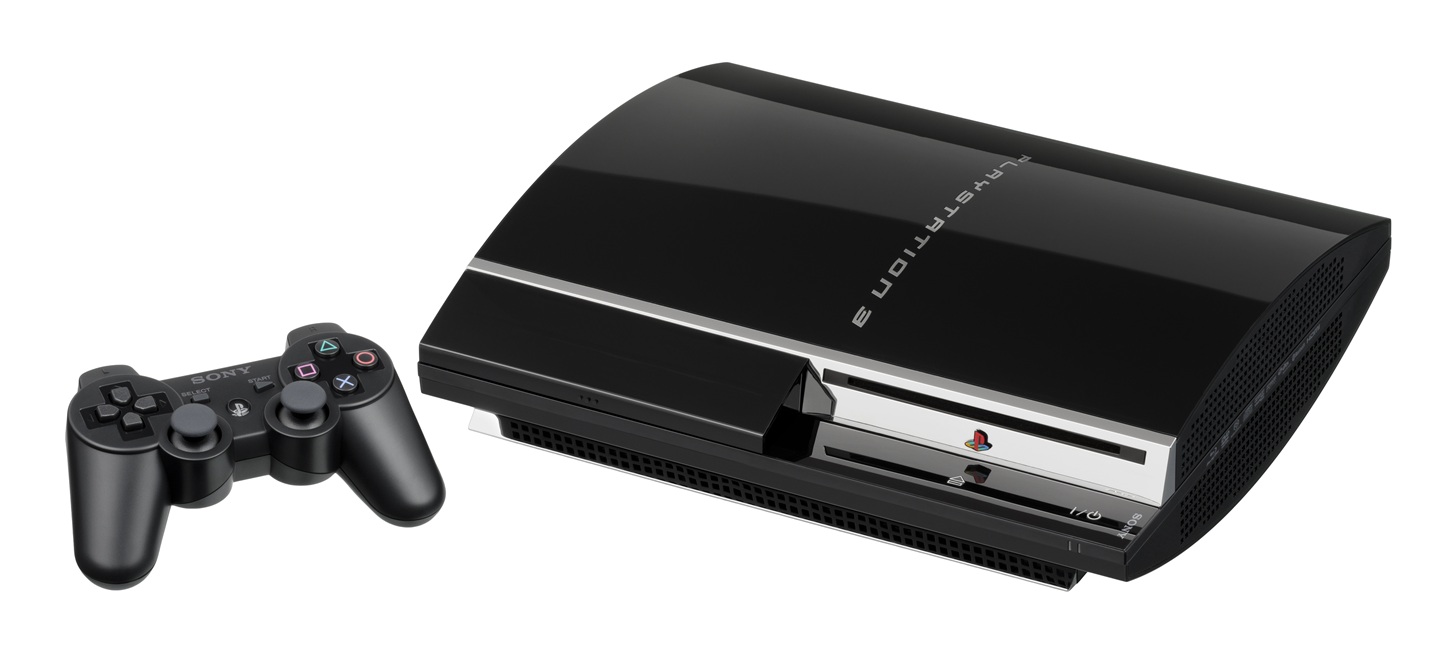
The Sony PlayStation 3 (PS3) was released in Japan on November 11, 2006, in North America on November 17, 2006, and in Europe on March 23, 2007 [237]. It was discontinued in New Zealand on September 29, 2015, in PAL regions in March 2016, in North America in October 2016, and in Japan on May 29, 2017. [238]–[240]
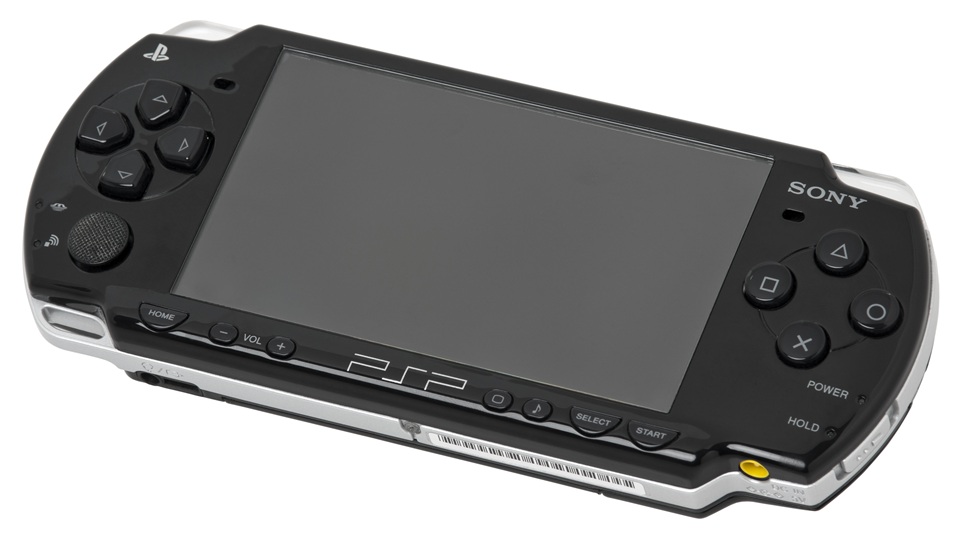
The Sony PlayStation Portable (PSP) Slim & Lite (PSP-2000) was released in Hong Kong on August 30, 2007, in Europe on September 5, 2007, in North America on September 6, 2007, in South Korea on September 7, 2007, in Australia on September 12, 2007, and in the UK on September 14, 2007 [241]. It was discontinued in North America in January 2014, in Japan in June 2014, and in PAL regions in December 2014. [236]
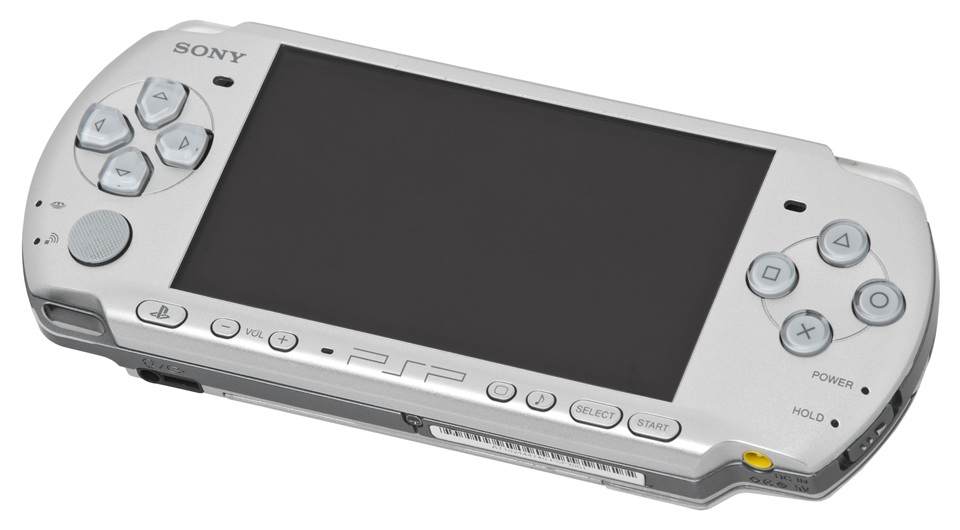
The Sony PlayStation Portable (PSP) Brite (PSP-3000) was released in North America on October 14, 2008, in Japan on October 16, 2008, and in Europe on October 17, 2008 [242]–[245]. It was discontinued in North America in January 2014, in Japan in June 2014, and in PAL regions in December 2014. [236]
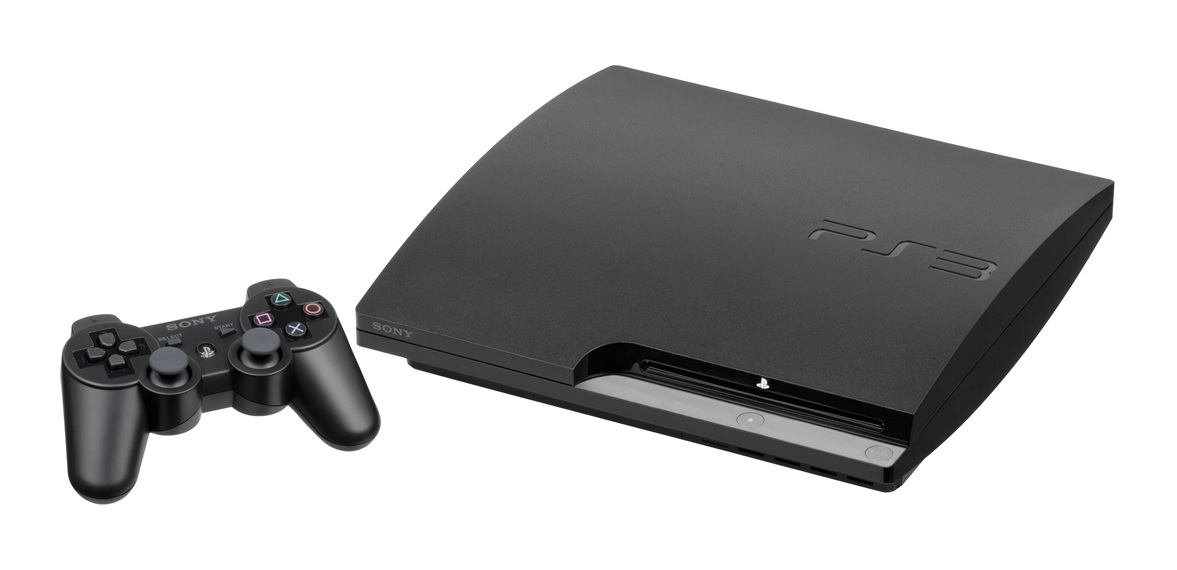
The Sony PlayStation 3 (PS3) Slim was released in North America on September 1, 2009, in Europe on September 1, 2009, in Japan on September 3, 2009, in Australia on September 3, 2009, and in New Zealand on September 3, 2009 [246]–[248].
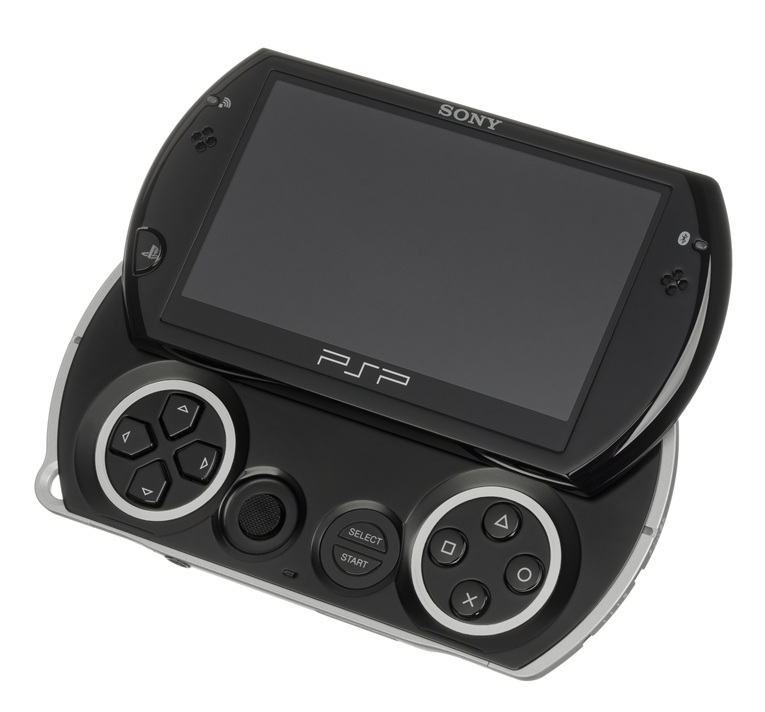
The Sony PlayStation Portable (PSP) Go (PSP-N1000) was released in North America on October 1, 2009, in Europe on October 1, 2009, and in Japan on October 31, 2009 [249]. It was discontinued in Europe on April 20, 2011 and in Japan on April 20, 2011. [250]–[254]
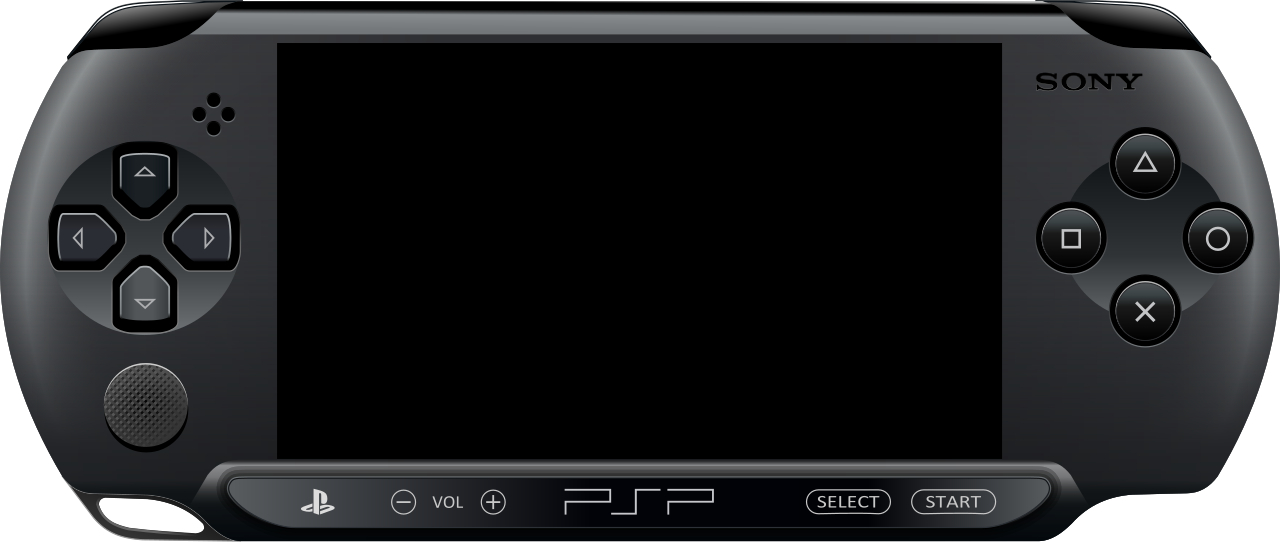
The Sony PlayStation Portable (PSP) Street (PSP-E1000) was released in PAL regions on October 26, 2011 [255].
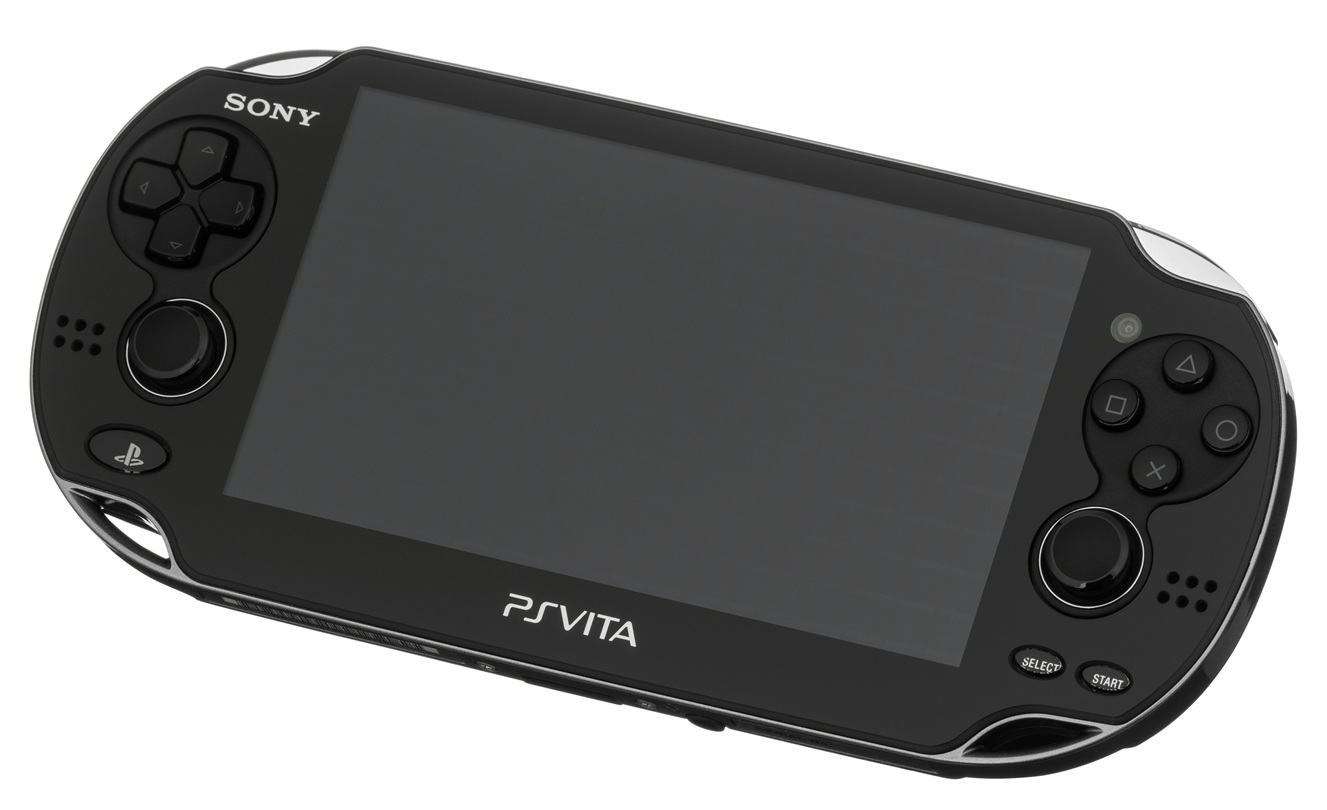
The Sony PlayStation (PS) Vita (PCH-1000) was released in Japan on December 17, 2011, in North America on February 15, 2012, in Europe on February 22, 2012, in Argentina on February 22, 2012, in Chile on February 22, 2012, in Russia on February 22, 2012, in Australia on February 23, 2012, in Brazil on March 2, 2012, and in China on March 20, 2015 [256]–[262]. It was discontinued globally on March 1, 2019. [263]
The Sony PlayStation 3 (PS3) Super Slim was released in North America on September 25, 2012 and in Europe on September 28, 2012 [264], [265].
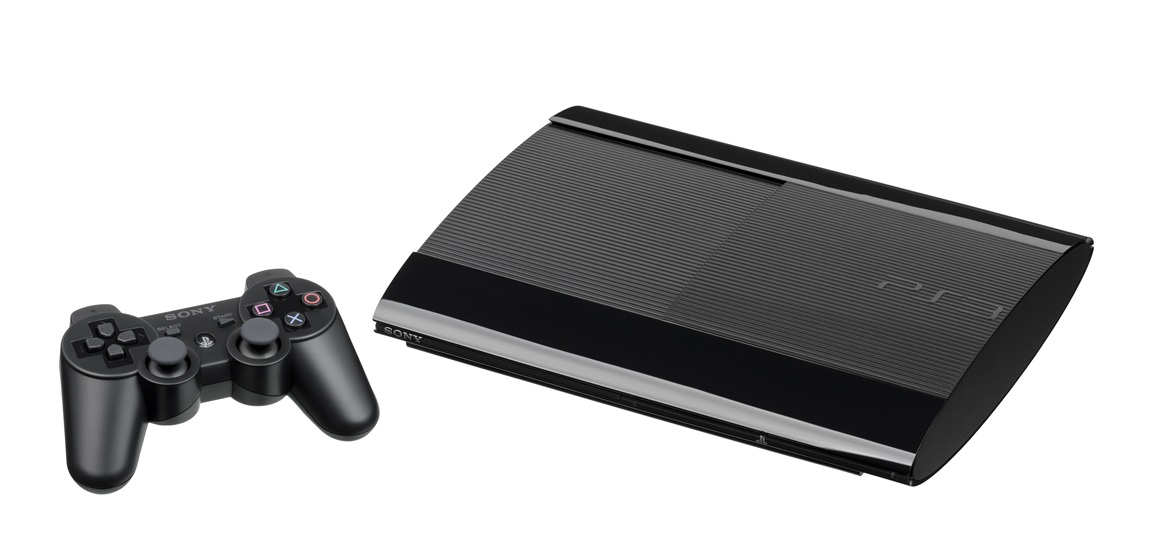
The Sony PlayStation (PS) Vita Slim (PCH-2000) was released in Japan on October 10, 2013, in Europe on February 7, 2014, and in North America on May 6, 2014 [266], [267]. It was discontinued globally on March 1, 2019. [263]
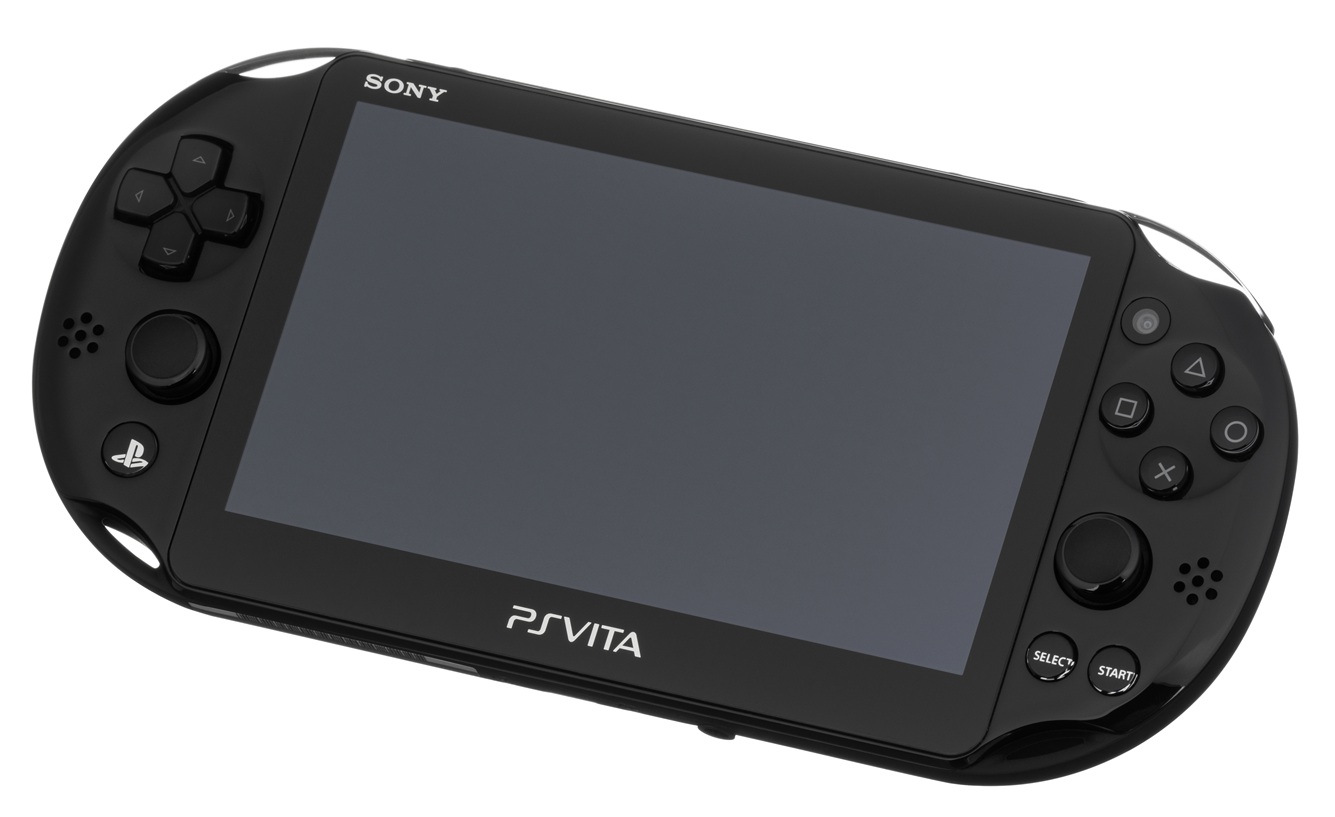
The Sony PlayStation (PS) TV (PS Vita TV) was released in Japan on November 14, 2013, in Singapore on January 16, 2014, in Malaysia on January 16, 2014, in Thailand on January 16, 2014, in Indonesia on January 16, 2014, in the Philippines on January 16, 2014, in Hong Kong on January 16, 2014, in South Korea on January 16, 2014, in North America on October 15, 2014, in Europe on November 14, 2014, and in Australia on November 14, 2014 [268]–[271]. It was discontinued in United States in 2015, in Europe in 2015, and in Japan on February 29, 2016. [272], [273]
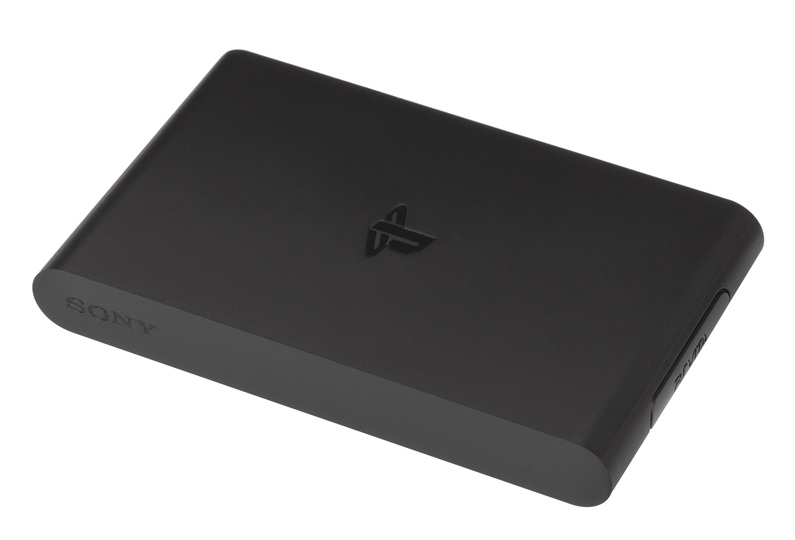
The Sony PlayStation 4 (PS4) was released in North America on November 15, 2013, in Europe on November 29, 2013, in South America on November 29, 2013, in Australia on November 29, 2013, and in Japan on February 22, 2014 [274], [275].
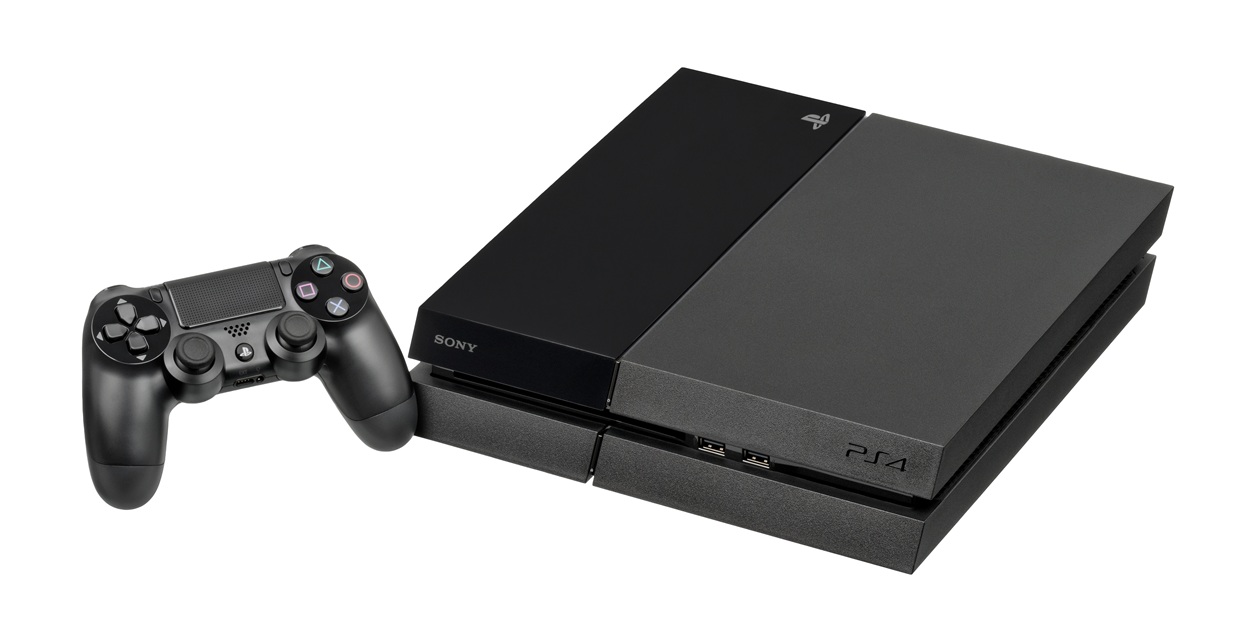
The Sony PlayStation 4 (PS4) Slim was released globally on September 15, 2016 [276].
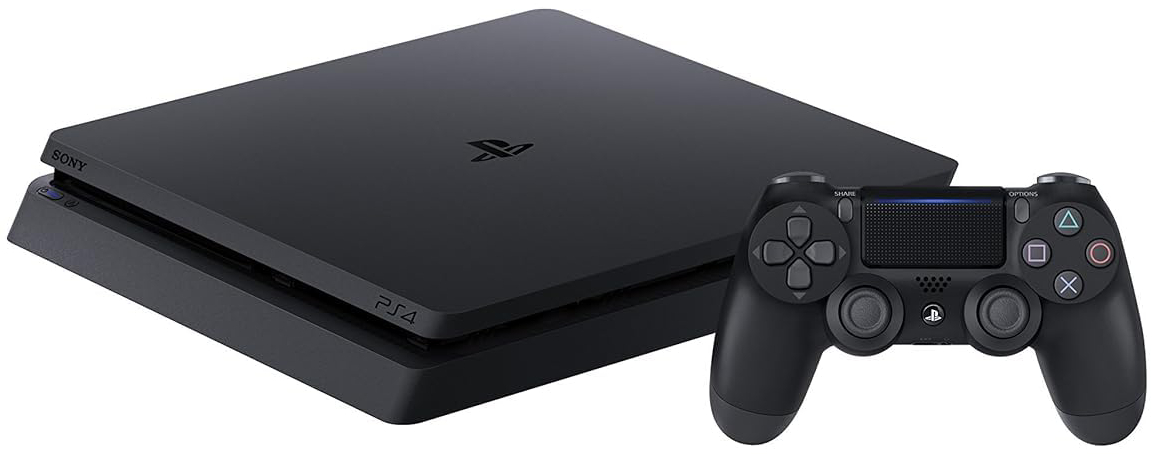
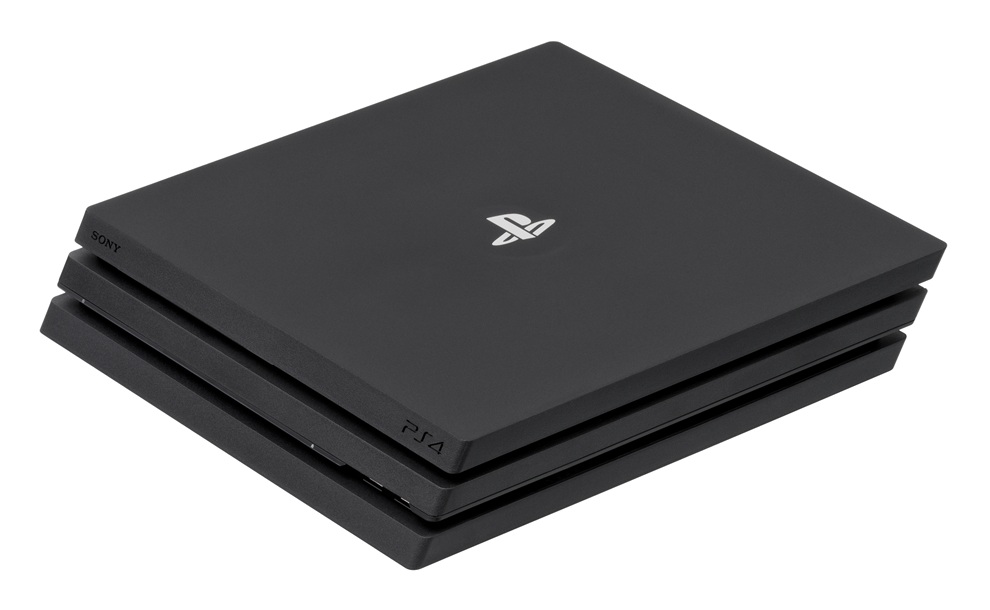
The Sony PlayStation 4 (PS4) Pro was released globally on November 10, 2016 [277].
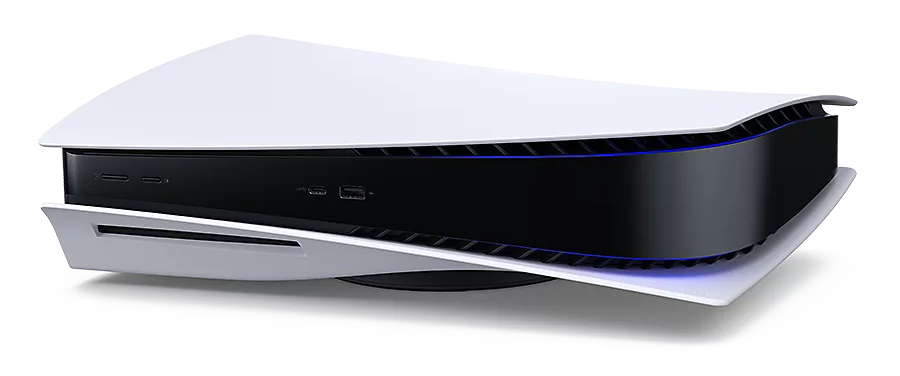
The Sony PlayStation 5 (PS5) was released in Australia on November 12, 2020, in Japan on November 12, 2020, in South Korea on November 12, 2020, in North America on November 12, 2020, in New Zealand on November 12, 2020, globally on November 19, 2020, in the Philippines on December 11, 2020, in Indonesia on January 22, 2021, in India on February 2, 2021, in Vietnam on March 19, 2021, and in China on May 15, 2021 [278].
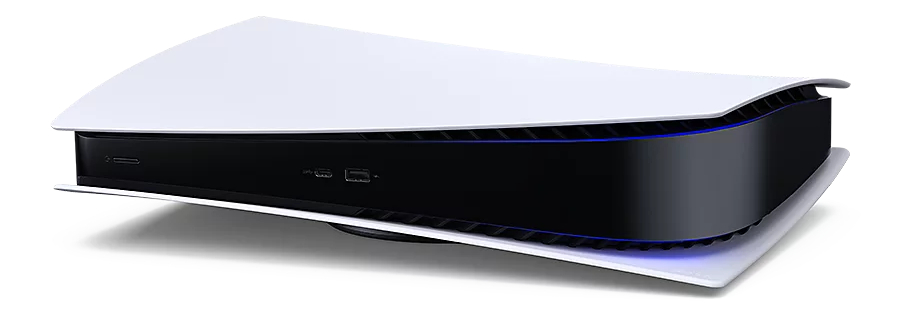
The Sony PlayStation 5 (PS5) Digital Edition was released in Australia on November 12, 2020, in Japan on November 12, 2020, in South Korea on November 12, 2020, in North America on November 12, 2020, in New Zealand on November 12, 2020, globally on November 19, 2020, in the Philippines on December 11, 2020, in Indonesia on January 22, 2021, in India on February 2, 2021, in Vietnam on March 19, 2021, and in China on May 15, 2021 [278].
The Sony PlayStation 5 (PS5) Slim was released globally on November 10, 2023 [279].
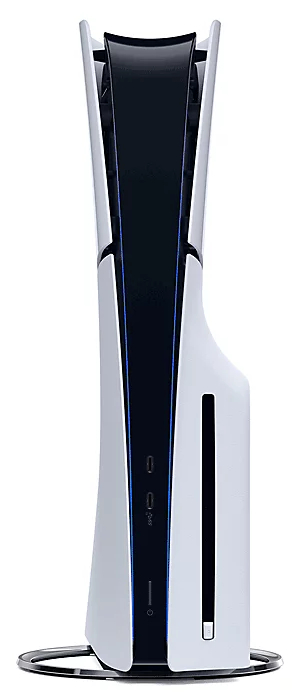
The Sony PlayStation 5 (PS5) Slim Digital Edition was released globally on November 10, 2023 [279].
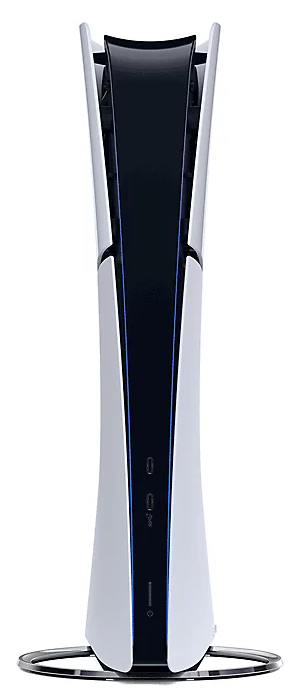
The Sony PlayStation 5 (PS5) Pro was released globally on September 10, 2024 [280].
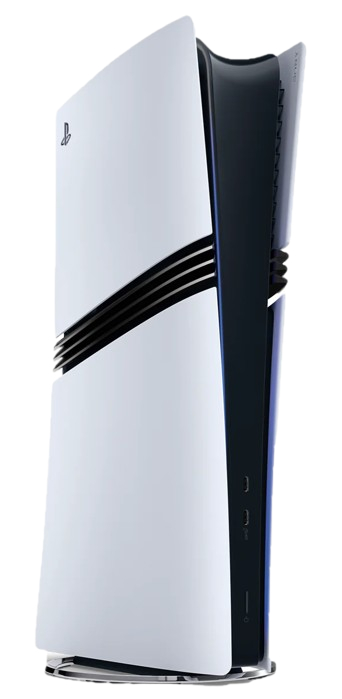
This section will describe important people in video game history.
Akio Morita (盛田 昭夫) was born in Nagoya, Japan [281] on January 26, 1921 [281], and passed away in Tokyo, Japan [282] on October 3, 1999 [281], [282].

Bill Gates (William Henry Gates III) was born in Seattle, Washington, USA [283] on October 28, 1955 [283].

David Rosen (David M. Rosen) was born in Brooklyn, New York, USA [284] on January 22, 1930 [284], and passed away in Hollywood Hills, California, USA [285] on December 25, 2025 [285].

Eugene Kleiner was born in Vienna, Austria on May 12, 1923, and passed away in Los Altos Hills, California, USA on November 20, 2003.

Fusajiro Yamauchi (山内 房治郎) was born in Kyoto, Japan [286] on November 22, 1859 [286], [287], and passed away in Kyoto, Japan [286] on January 1, 1940 [286].
Gordon Moore (Gordon Earle Moore) was born in Pescadero, California, USA on January 3, 1929, and passed away in Waimea, Hawaii, USA on March 24, 2023.

Jay Last was born in Butler, Pennsylvania, USA on October 18, 1929, and passed away in Los Angeles, California, USA on November 11, 2021.

Jean Hoerni (Jean Amédée Hoerni) was born in Geneva, Switzerland on September 26, 1924, and passed away in Seattle, Washington, USA on January 12, 1997.

Jerry Lawson was born in Brooklyn, New York, USA on December 1, 1940, and passed away in Santa Clara, California, USA on April 9, 2011.
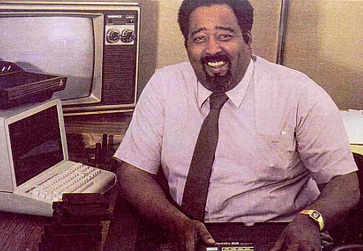
Julius Blank was born in Manhattan, New York, USA on June 2, 1925, and passed away in Los Altos Hills, California, USA on September 17, 2011.

Martin Bromley (Martin Jerome Bromley) was born in New York, USA [288] on August 8, 1919 [289], and passed away on September 7, 2008 [288], [290].

Masaru Ibuka (井深 大) was born in Nikkō, Japan [291] on April 11, 1908 [291], and passed away in Tokyo, Japan [291] on December 19, 1997 [291].

Nolan Bushnell (Nolan Kay Bushnell) was born in Clearfield, Utah, USA [292] on February 5, 1943 [292].

Paul Allen (Paul Gardner Allen) was born in Seattle, Washington, USA [293], [294] on January 21, 1953 [293], [294], and passed away in Seattle, Washington, USA [294] on October 15, 2018 [293], [294].

Richard Stewart (Richard Davant Stewart III) was born in El Paso, Texas, USA [295] on January 5, 1925 [295], and passed away in London, England, United Kingdom [295] on November 30, 2020 [295].

Robert Noyce (Robert Norton Noyce) was born in Burlington, Iowa, USA on December 12, 1927, and passed away in Austin, Texas, USA on June 3, 1990.

Sheldon Roberts (C. Sheldon Roberts) was born in Rupert, Vermont, USA on October 27, 1926, and passed away in McMinnville, Oregon, USA on June 6, 2014.

Ted Dabney (Samuel Frederick Dabney Jr.) was born in San Francisco, California, USA [296] on May 2, 1937 [296], and passed away in Clearlake, California, USA [296] on May 26, 2018 [296].

Victor Grinich was born in Aberdeen, Washington, USA on November 26, 1924, and passed away in Mountain View, California, USA on November 5, 2000.

This section contains a timeline of important events in video game history.